Global Tile Procurement Readiness Evaluator
Assess your international tile sourcing strategy across shipping routes, lead times, and currency risk management.
1. What is the typical lead time buffer you allocate for international tile shipments?
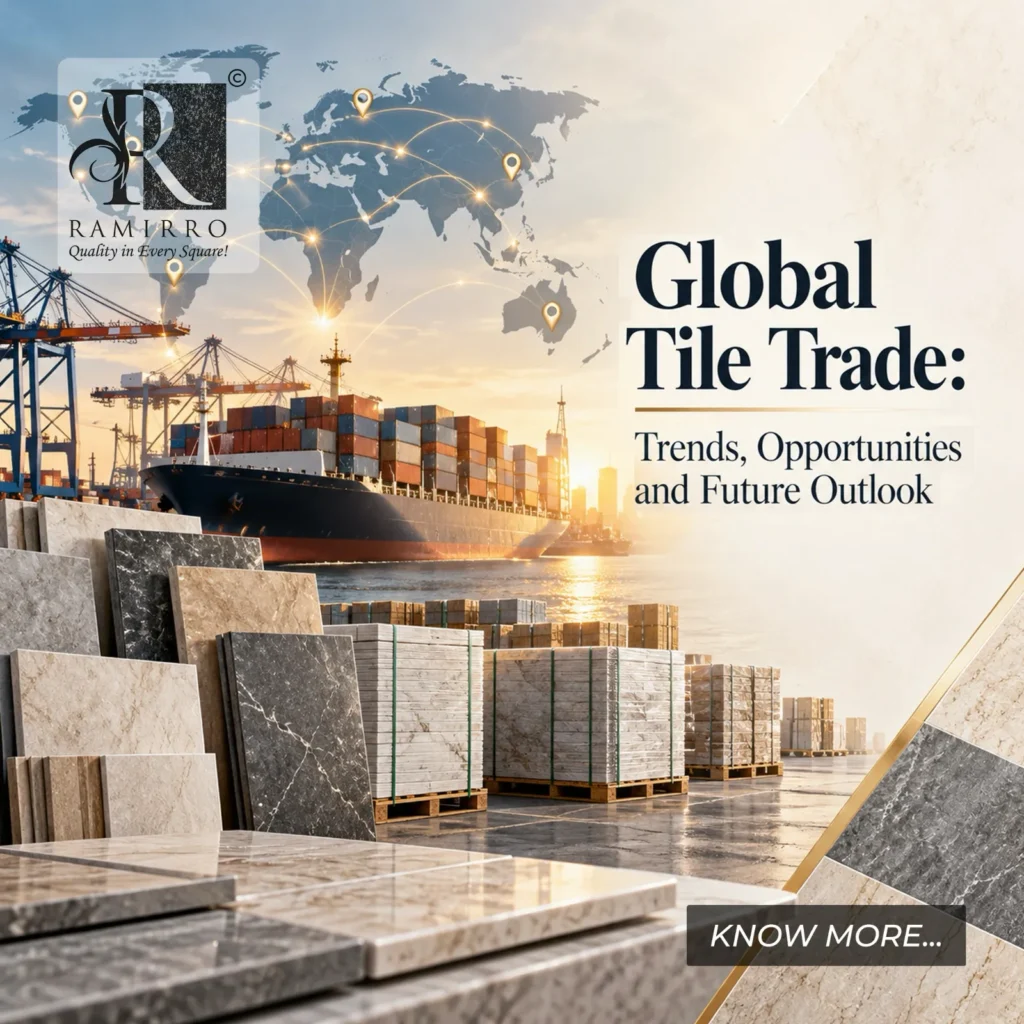
Global tile trade connects manufacturers and buyers across countries. Tile prices and availability depend on factors such as shipping costs, energy prices, currency exchange, and demand in different markets.
Imagine choosing tiles for your home. The tiles may be made in India and travel thousands of miles before reaching your local showroom. Their journey depends on how smoothly factories, shipping companies, and suppliers work together.
As trade routes change and new markets emerge, the ceramic tile industry gains new opportunities. Understanding these changes helps buyers make better choices and helps manufacturers find customers around the world.
Table of Contents
- How Does a Tile Made in One Country Reach a Home Thousands of Miles Away?
- Why Are More Countries Becoming Important in the Global Tile Trade?
- Which New Markets Could Create More Opportunities for Tile Makers and Buyers?
- How Can Changes in Shipping Routes Affect the Time It Takes for Tiles to Reach Buyers?
- What Do BRICS and Local Currency Payments Mean for the Future of Tile Trade?
- Why Do Gas, Electricity, and Fuel Costs Matter When Making and Delivering Tiles?
- How Can Tile Buyers Choose the Right Supplier Without Looking Only at the Price?
- How Can Indian Tile Exporters Build Stronger Relationships With Buyers Around the World?
- Final Thoughts: How Global Tile Trade Is Opening New Doors for the Ceramic Industry
- Frequently Asked Questions About Global Tile Trade
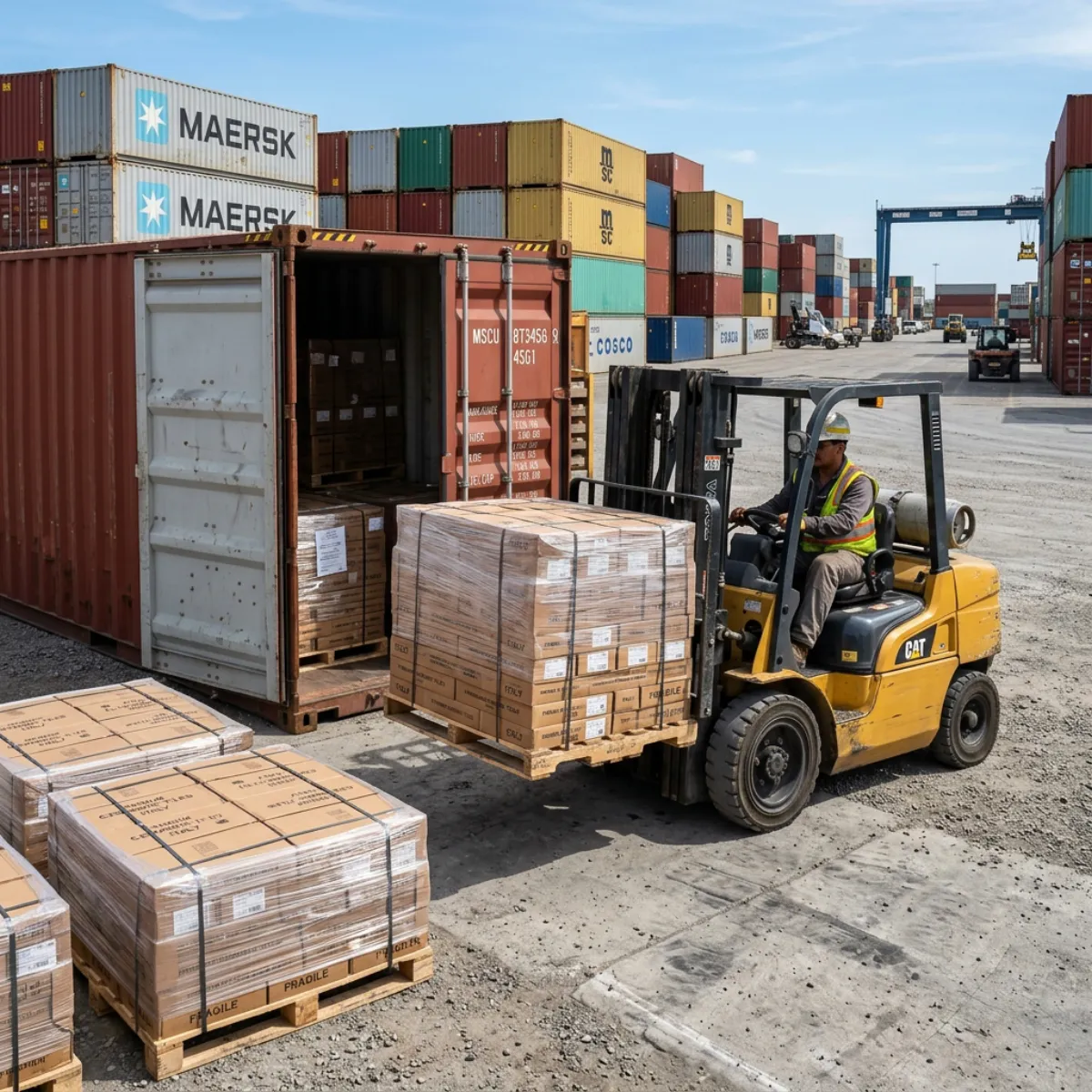
How Does a Tile Made in One Country Reach a Home Thousands of Miles Away?
Have you ever wondered how a tile made in India reaches a home, hotel, or office in another country? The journey involves more than making a good tile. It needs careful packing, shipping, transport, and delivery.
Countries trade tiles to offer buyers more designs, sizes, and price options. But shipping costs, fuel prices, currency changes, and demand can affect how easily tiles move from one country to another.
Understanding how global tile trade works helps buyers choose suppliers wisely and helps manufacturers find new markets. As trade routes and business needs change, the ceramic tile industry has new ways to connect with customers around the world.
Why Are More Countries Becoming Important in the Global Tile Trade?
Countries around the world buy and sell tiles to meet the needs of their homes, hotels, offices, and other buildings. Some countries make large amounts of tiles, while others import them because local factories cannot supply every design, size, or type that buyers need.
India is an important tile producing country, supplying products to buyers in many international markets. Buyers compare suppliers based on price, quality, design, and delivery time before placing an order. They also consider the type of project. For example, a builder working on many flats may need affordable, easy to maintain floor tiles, while a hotel may look for special designs to create a more attractive space.
As construction and renovation needs change, buyers may explore suppliers in new countries. This gives them more choices and helps tile makers and exporters reach customers in different parts of the world.
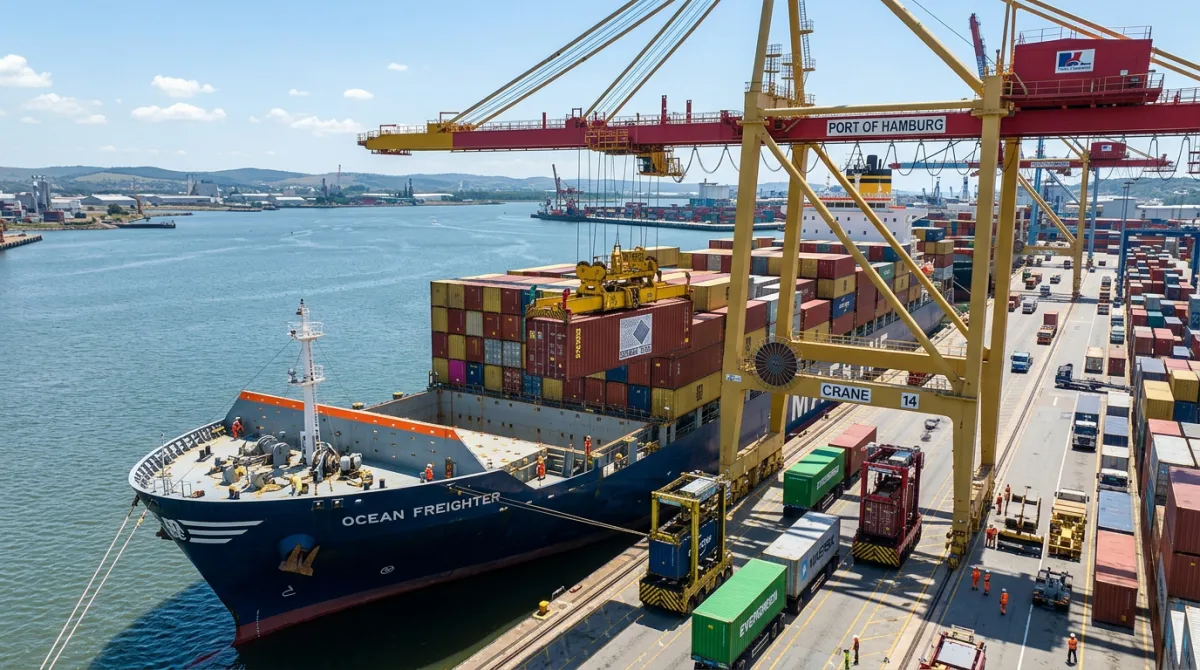
Which New Markets Could Create More Opportunities for Tile Makers and Buyers?
New markets can create fresh opportunities for tile makers and buyers. Regions such as South Asia, Africa, the Middle East, and Latin America are worth watching because homes, hotels, offices, and other building projects need different types of tiles.
Buyers may look to other countries when they want more designs, better prices, or products that are not easy to find locally. For example, a builder may prefer simple, affordable floor tiles for apartments, while a hotel may choose large tiles with a stone like finish to create a stylish look.
However, a market that works well for one seller may not suit another. Local taxes, shipping costs, competition, and customer needs all affect a business decision. Tile colours, sizes, and finishes that sell well in one country may be less popular in another.
Before entering a new market, exporters should check which tiles people buy, what prices they can afford, and which suppliers already serve them. This research helps businesses find suitable customers and make smarter choices about where to sell their products.
How Can Changes in Shipping Routes Affect the Time It Takes for Tiles to Reach Buyers?
Most tiles sold to buyers in other countries travel by ship. The route a ship takes can affect delivery time and shipping costs. Here is how shipping routes influence global tile trade:
Ports connect countries: Tiles travel from factories to ports, then by ship to the buyer’s country before reaching shops or building sites.
The Red Sea and Suez Canal save time: These routes connect Asia and Europe and can help ships avoid a much longer journey around Africa.
Ships may need to take longer routes: Safety concerns or other problems can lead ships to avoid certain areas. Longer journeys can use more fuel, increase shipping costs, and delay deliveries.
The Strait of Hormuz also matters: This waterway near Oman is important for oil and gas shipments. Disruptions can affect energy supplies and fuel prices, which may influence tile production and transport costs.
Late deliveries can delay building work: If tiles do not arrive on time, flooring work in homes, hotels, or offices may have to wait.
What can tile buyers do?
- Ask suppliers for an estimated delivery date.
- Check shipping costs before placing a large order.
- Allow extra time for unexpected delays.
- Confirm that the tiles will arrive before the planned installation date.
Good planning helps buyers manage costs and keep their projects on schedule.
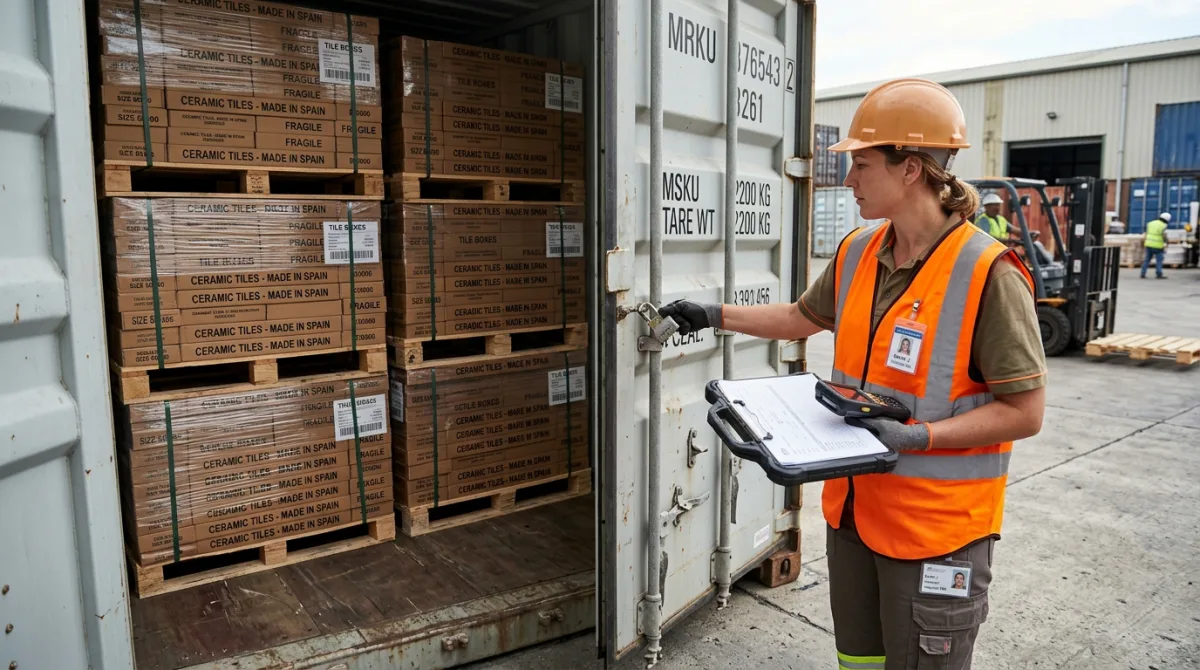
What Do BRICS and Local Currency Payments Mean for the Future of Tile Trade?
BRICS is a group of countries that work together on trade, finance, and other shared goals. Its discussions about using local currencies for international payments could create more ways for businesses to pay for goods bought from other countries.
One idea linked to these discussions is de dollarisation, which means reducing the use of the US dollar in some international payments. Here is how this could matter to the tile industry:
- More payment choices: Some countries and businesses are exploring ways to trade using their own currencies instead of always using US dollars.
- New options for tile exporters: An Indian tile exporter and an overseas buyer may agree to pay in a currency that works for both sides.
- Exchange rates still matter: The value of one currency can change against another, affecting how much the buyer pays.
- Bank charges can add up: Businesses should check payment fees and currency conversion costs before making a deal.
- Clear payment terms help: Buyers and sellers should agree on the payment currency, exchange rate arrangements, and payment date before confirming an order.
An important point: BRICS does not mean that all member countries have stopped using the US dollar or have adopted one shared currency. Local currency payments depend on the countries, banks, and businesses involved.
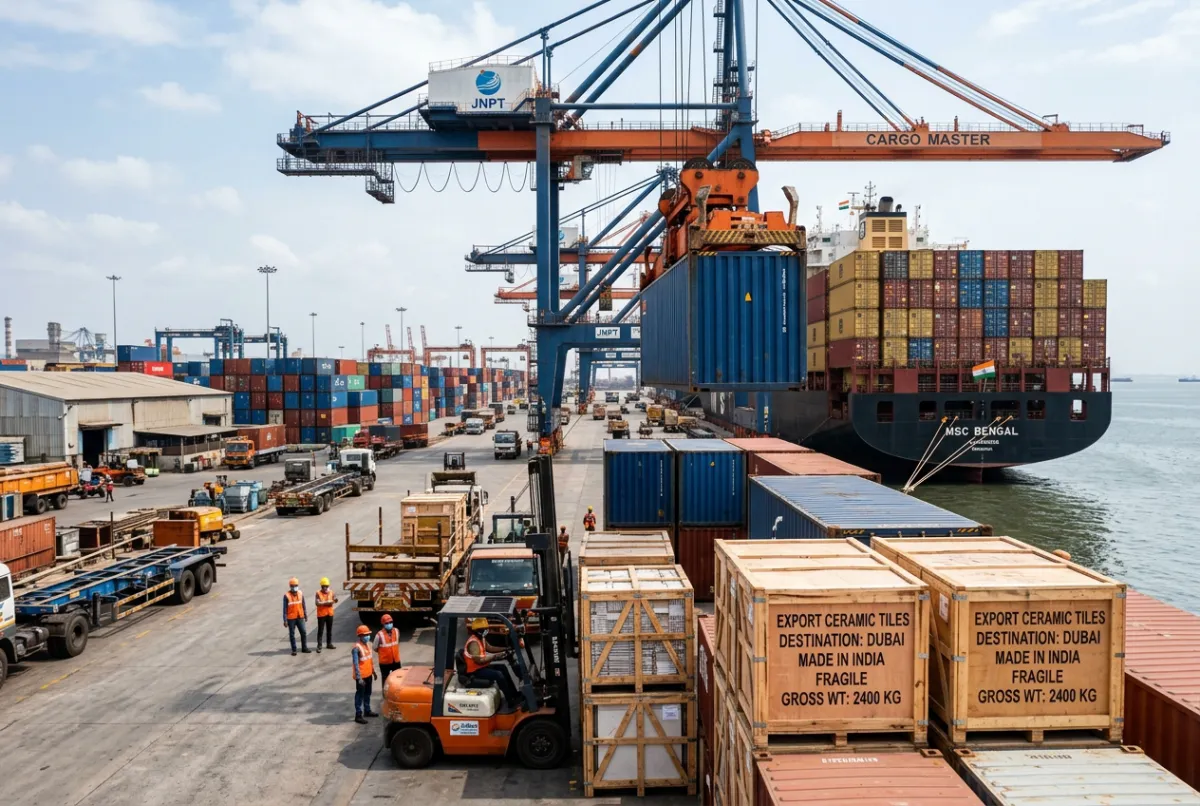
Why Do Gas, Electricity, and Fuel Costs Matter When Making and Delivering Tiles?
Energy plays an important role in making and delivering ceramic tiles. From running factory machines to heating tiles and transporting them to other countries, gas, electricity, and fuel help keep the entire process moving.
Here is how energy costs affect the tile industry:
- Making the tiles: Clay and other raw materials are shaped into tiles and prepared for firing.
- Heating the tiles: Tiles are heated in a large oven called a kiln. This helps them develop the strength and properties they need.
- Running factory machines: Electricity powers equipment used to shape, finish, and pack tiles.
- Transporting the tiles: Trucks and ships use fuel to carry tiles from factories to buyers around the world.
- Understanding price changes: When energy and fuel costs rise, making and delivering tiles may become more expensive. Sellers may review their prices, depending on other costs and market competition.
Where is the opportunity? Factories can explore better equipment, reduce wasted energy, and improve their production methods. These steps may help them use energy more efficiently and manage costs over time.
How Can Tile Buyers Choose the Right Supplier Without Looking Only at the Price?
Choosing the right tile supplier involves more than finding the lowest price. Buyers should also check product quality, delivery costs, and whether the supplier can provide the same tiles when needed again.
Here are six things to check before placing an order:
- Compare the full cost: Include the tile price, shipping, taxes, and delivery charges. One supplier may offer cheaper tiles but charge more to deliver them.
- Ask for a sample: Check the tile’s colour, finish, and quality before placing a large order.
- Check the tile’s purpose: Make sure its size, surface, and strength suit the space where it will be used.
- Confirm the delivery date: Ask when the tiles will arrive and allow extra time if they are coming from another country.
- Understand the damage policy: Check what happens if tiles arrive broken, damaged, or in smaller quantities than ordered.
- Plan for future orders: Ask whether the supplier can provide the same design and size again if you need more tiles later.
One more thing to remember: shade variation. This means small differences in colour between batches of tiles. If you are covering a large floor, ask your supplier about batch consistency and order enough tiles for the entire project whenever possible.
By checking these details early, buyers can avoid unexpected costs, reduce delays, and choose a supplier that suits their needs, not just their budget.
How Can Indian Tile Exporters Build Stronger Relationships With Buyers Around the World?
India has an important place in the global tile trade, supplying ceramic and porcelain tiles to buyers in different markets. To build strong business relationships, exporters need to understand what their customers want and make the buying process clear and simple.
Here are four ways exporters can build trust:
- Offer suitable products: Buyers look for designs, sizes, finishes, and prices that match their projects and local customer needs.
- Share clear information: Product specifications, samples, packing details, and prices help buyers compare options and make informed decisions.
- Communicate honestly: Clear payment terms, realistic delivery dates, and quick answers help prevent confusion.
- Understand each market: Tile preferences, import rules, and customer budgets can differ from one country to another.
For buyers exploring Indian tile suppliers, Ramirro Ceramica is one company to consider when researching ceramic and porcelain tile options. Reviewing its product collections and available product details can help buyers decide whether its offerings suit their needs.
In global tile trade, lasting relationships grow through clear information, trust, and an understanding of what each buyer needs.
Final Thoughts: How Global Tile Trade Is Opening New Doors for the Ceramic Industry
Global trade is creating new opportunities for the ceramic tile industry. Emerging markets, changing freight routes, better logistics, and new payment methods are shaping the tile market outlook. Good supply chain management and energy efficiency can also help businesses prepare for new trends.
For tile importers, choosing the right product means looking beyond price. Quality, delivery time, reliable manufacturers and suppliers, and verified global trade information all support better decisions.
Whether you prefer online or offline purchases, explore Ramirro Ceramica’s collections of ceramic wall tiles and other tile options. Visit the website or contact the team for product details and guidance on finding tiles that suit your needs.
Frequently Asked Questions About Global Tile Trade
What is global tile trade?
Global tile trade is the buying and selling of ceramic and porcelain tiles between countries.
Which countries make and export ceramic tiles?
India, China, Spain, Italy, Turkey, and Brazil are among the major ceramic tile producing countries.
How do shipping routes affect tile prices and delivery?
Longer routes can increase freight costs and delivery times, which may affect the final price of imported tiles.
How do currency changes affect international tile purchases?
Changes in exchange rates can make imported tiles more or less expensive for buyers paying in their local currency.
Why are energy costs important in tile manufacturing?
Factories use gas and electricity to make and fire tiles, so changes in energy prices can affect production costs.
What should buyers check before importing tiles?
Buyers should check product quality, total cost, shipping time, import duties, payment terms, and supplier reliability.
Shop Now | Chat With Expert | View Catalogue

Here’s what you get out of our article. Our team have various Ceramic Experts with experience of more than 25 Years, researches on problems our customer faces in tiling industry.
Ramirro Ceramica, – One of The Leading Tiles Manufacturer and Supplier globally, helps you people gain knowledgeable insight before making your purchase decision for products related to the floor and wall tiles.
So, we have closely monitored all kinds of trends in the ceramic tiles manufacturing world, from the old days of clay and plain color to modern digital, realistic-looking designs printed on ceramics with high-depth effects.
Our tiling Experts have seen thousands of different tiles patterns, sizes, materials, pricing, and installation techniques throughout their career.
Their expertise shared with you in simplified and organised way, helps you choose and make better decision before purchasing any flooring option available in market.
Brief about Company:
Ramirro is one of the finest Tiles manufacturers in India manufacturing porcelain and ceramic tiles. Our products have a variety of sizes and types of tiles ranging from Ceramics, porcelain, Full body etc. This helps you choose the perfect fit for your project. Plus, our collection will help you get inspiration from the architect’s design.
Here’s some more helpful links that showcase our users trust on Ramirro Ceramica Brand:
– Growth in International Market
– Trusted and Licensed Exporter
– Manufacturing Plant in India
Here’s our social proof by LinkedIn competing with top known global tiling brands: