Tile Carbon Footprint & Eco-Flooring Evaluator
Benchmark your flooring specification based on lifecycle emissions, kiln efficiency, and verified EPD standards.
1. What is your primary objective when specifying sustainable flooring?
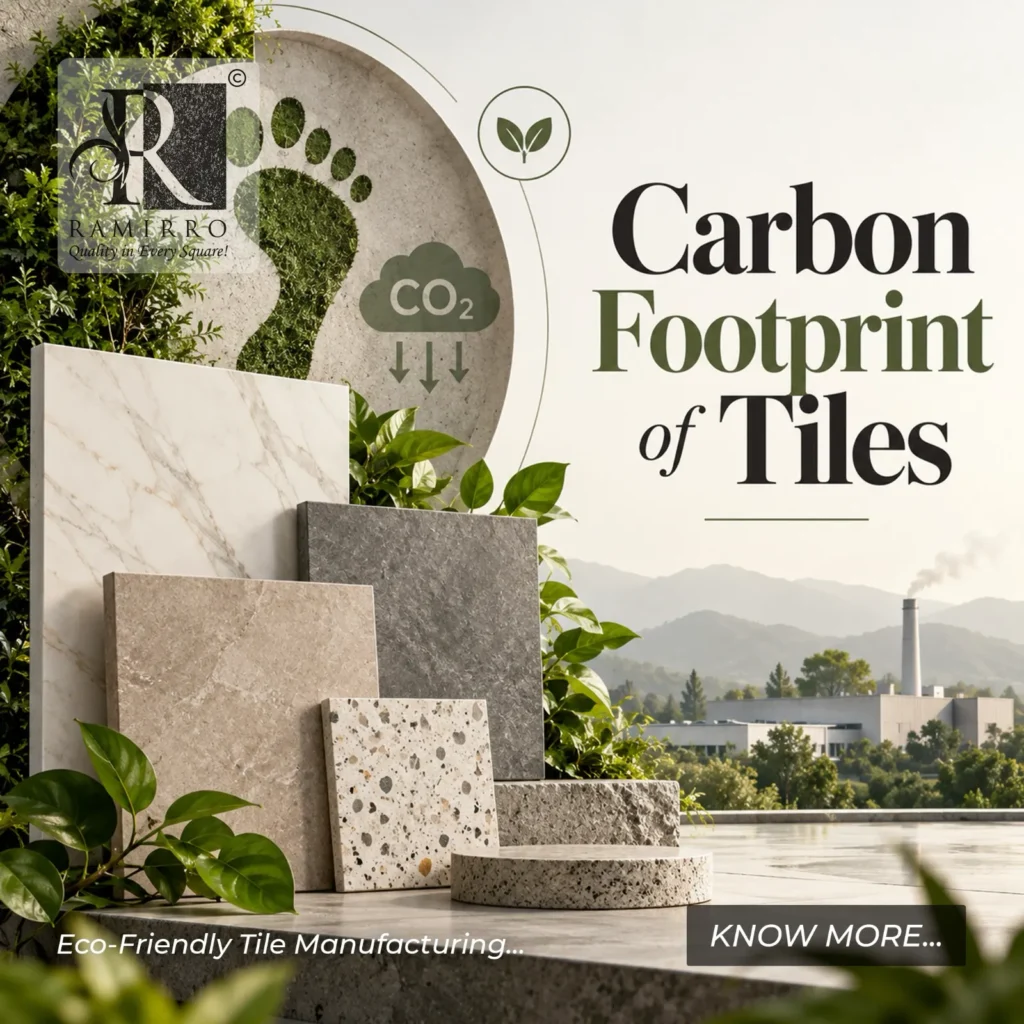
A ceramic tile can have a carbon footprint of around 14–17 kg CO₂e per square metre in some life cycle assessments, but there is no single value for every tile. The exact footprint depends on the tile, factory, energy source and stages included in the calculation.
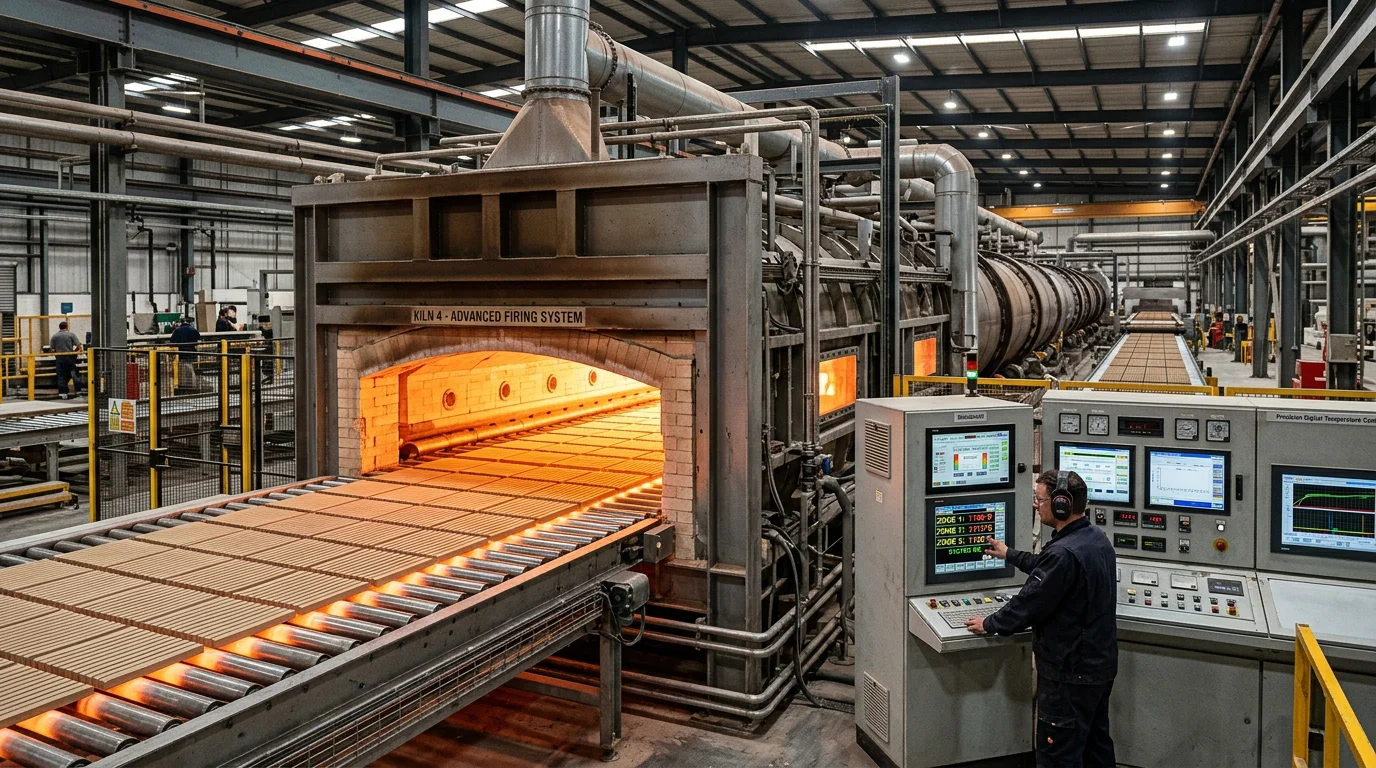
Kiln firing and drying are among the most important emission stages in tile manufacturing because they require significant heat and energy. Raw material preparation, finishing, packaging and transportation can also add to the overall footprint.
This makes the carbon footprint of a tile more than just a factory number. Understanding how a tile is made, how much energy it uses and how it reaches the customer can help manufacturers, architects and buyers make more informed decisions about sustainable flooring.
Table of Contents
- What Is the Carbon Footprint of a Tile?
- From Raw Material to Finished Tile: Where Do Emissions Come From?
- Ceramic vs Porcelain: Does Tile Type Affect Carbon Footprint?
- Energy, Kilns and Green Energy: Where Tile Manufacturing Can Improve
- Materials, Waste and Water: The Other Side of Sustainable Tile Production
- Packaging and Transportation: The Footprint Doesn’t Stop at the Factory
- What Makes a Tile or Floor More Sustainable?
- How to Choose Eco-Friendly Tiles: Understanding EPDs, Carbon Claims and Greenwashing
- What Can Tile Manufacturers Do to Lower Their Carbon Footprint?
- What Should Homeowners, Architects and Buyers Look For?
- Where Is Sustainable Tile Manufacturing Heading?
- Final Thoughts — Look Beyond the Tile Surface
- Frequently Asked Questions About Carbon Footprint of Tiles
What Is the Carbon Footprint of a Tile?
A carbon footprint is the amount of greenhouse gas emissions linked to making and delivering a tile. It can come from raw materials, factory energy, kiln firing, packaging and transportation.
You will often see CO₂ and CO₂e. CO₂ is carbon dioxide, while CO₂e is a common way of expressing different greenhouse gases in one comparable unit.
Think of it this way: a tile’s carbon footprint starts before the tile reaches your home. If a factory uses less energy, cleaner energy and efficient production methods, it may be able to reduce the tile’s carbon footprint.
Carbon footprint is also different from overall environmental impact. Carbon footprint mainly looks at greenhouse gas emissions, while environmental impact is broader and can include water, waste, raw materials and pollution.
From Raw Material to Finished Tile: Where Do Emissions Come From?
A tile goes through several steps before it reaches your home, and each step can add to its carbon footprint.
- Raw materials: Clay, feldspar, silica and other materials are collected and moved to the factory. Extraction and transportation can create emissions.
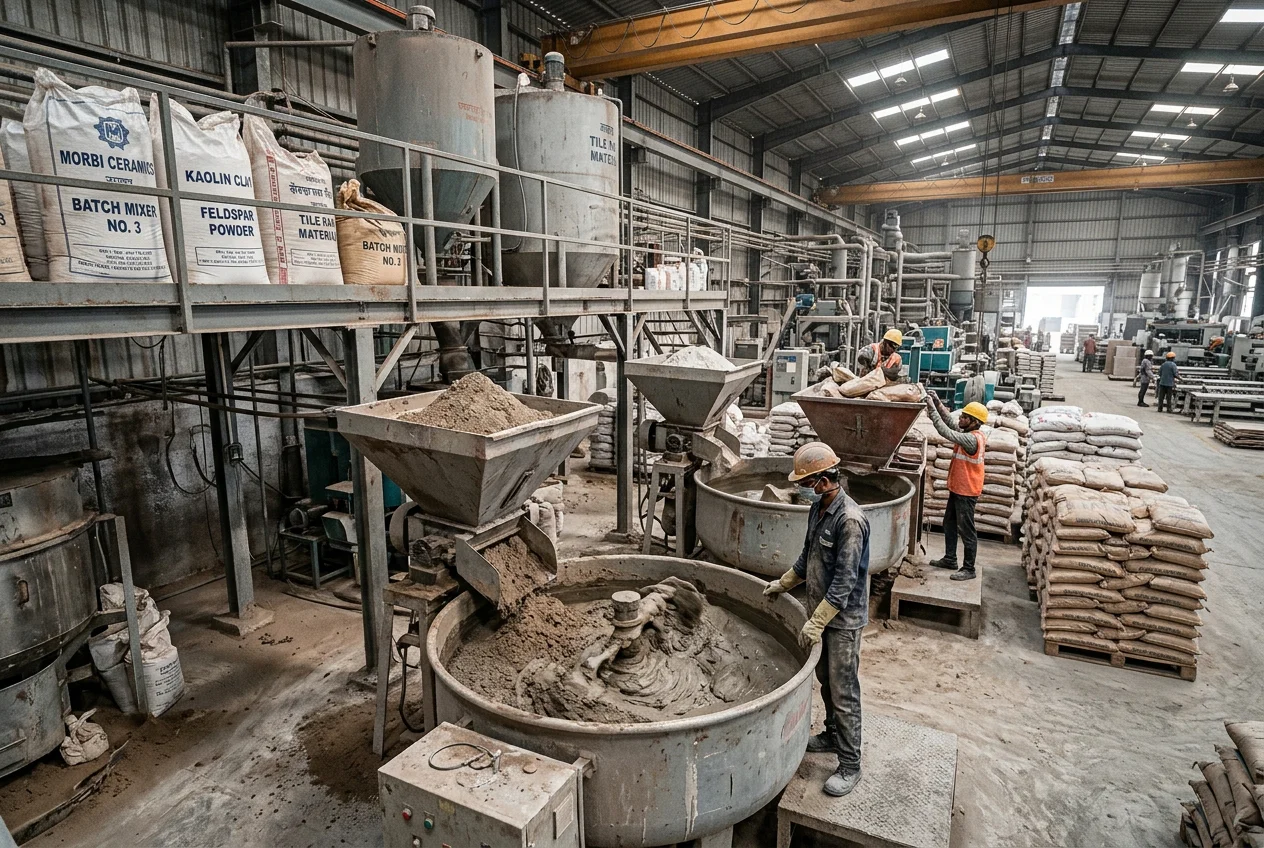
- Preparation: The materials are crushed, mixed and ground to get the right consistency. This requires electricity and machinery.
- Shaping: The prepared material is pressed or formed into the required tile size and shape. Energy is used to operate the equipment.
- Drying: Before firing, much of the moisture must be removed from the tile. Drying requires heat and energy.
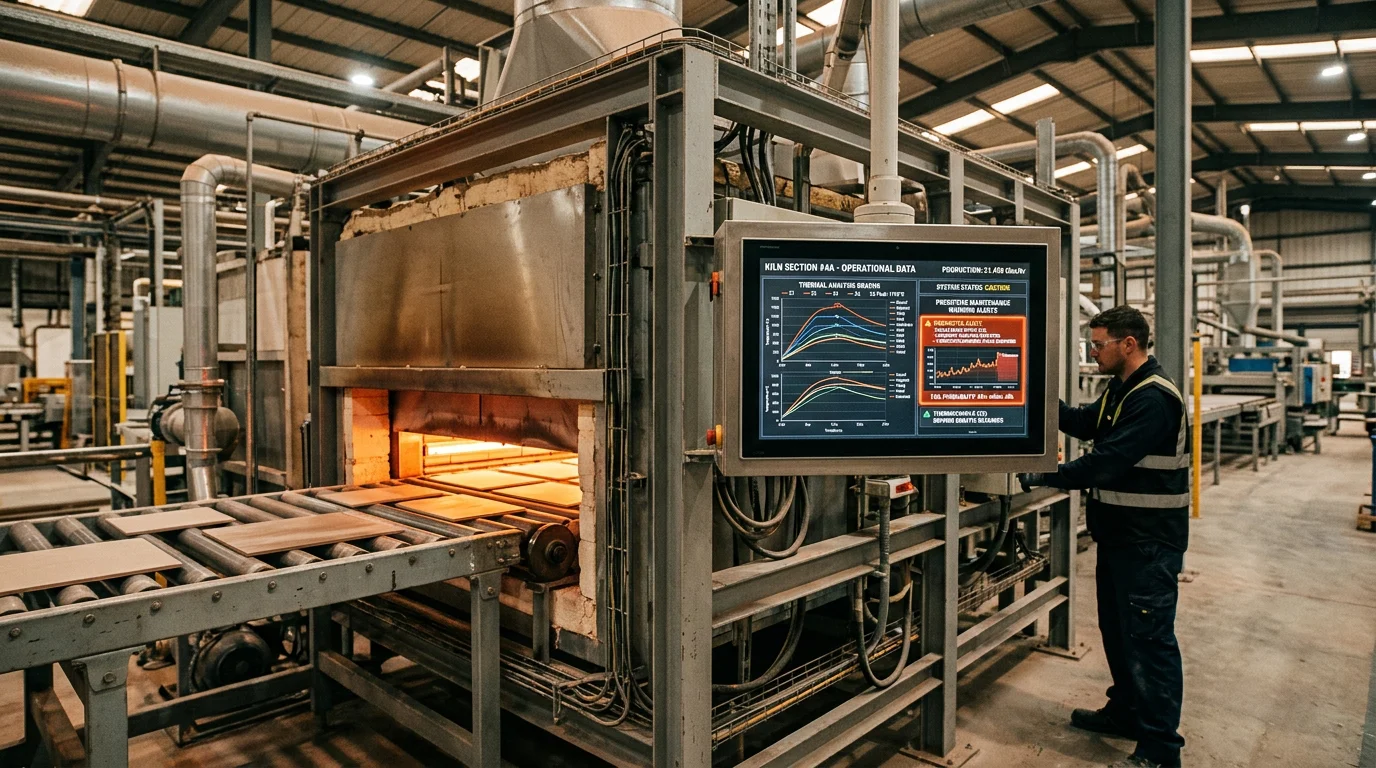
- Kiln firing: This is one of the most important stages. Tiles are heated to very high temperatures to make them hard, strong and durable. The fuel or electricity used to produce this heat can create significant emissions.
- Finishing: Glazing, polishing, cutting or other surface treatments may require additional energy.
- Packaging and transportation: Finally, tiles are packed and moved to warehouses, ports, distributors or building sites. Packaging materials and fuel used during transportation also add to the overall footprint.
So, the carbon footprint of a tile is not created at one single point. It is built across the entire journey from raw material to finished product.
Ceramic vs Porcelain: Does Tile Type Affect Carbon Footprint?
Ceramic and porcelain are both types of tiles, but they are made slightly differently. Porcelain is generally made from more refined materials and fired at higher temperatures, making it denser and less water absorbent. Ceramic tiles can be made for a wider range of everyday wall and floor applications.
But can you say one has a lower carbon footprint? Not simply from the tile name. The footprint also depends on how the tile is produced.
Energy source, factory efficiency, production technology, tile thickness and transportation can all make a difference. A well managed porcelain production process may have a different footprint from a less efficient ceramic production process.
The key point: Porcelain does not automatically mean higher carbon, and ceramic does not automatically mean lower carbon. To compare tiles fairly, you need to look at how they were made, not just what they are called.
Energy, Kilns and Green Energy: Where Tile Manufacturing Can Improve
Energy is one of the biggest areas where tile manufacturers can work to reduce carbon emissions. Kilns are especially important because tiles need very high temperatures to become hard and durable. More efficient kilns can produce the required heat while using less energy.
Manufacturers can also improve drying systems, recover useful heat from production, and use energy efficient machinery. Regular energy monitoring helps identify where electricity or fuel is being used and where it can be reduced.
Green energy means energy from sources that are naturally replenished, such as solar and wind. Using renewable electricity, including solar power, can reduce emissions linked to the electricity used in tile production.
Renewable electricity alone does not make a tile carbon neutral. Raw materials, kiln fuel, transportation, packaging and other parts of production can still create emissions. The goal is to reduce the overall footprint, not simply give the tile a green label.
Materials, Waste and Water: The Other Side of Sustainable Tile Production
Sustainable tile production is not only about carbon emissions. How a factory uses materials, manages waste and consumes water also matters.
Materials
Tiles are made using natural raw materials such as clay, feldspar and silica. Using these materials efficiently can help reduce unnecessary resource use. Better production planning can also help avoid excess material and manufacturing losses.
Waste
Some waste is created during tile production, such as broken or rejected tiles. Where technically suitable, some production waste can be reused in the manufacturing process or recycled instead of being discarded.
Water
Water may be used during different stages of tile manufacturing. Water recycling and reuse can help reduce freshwater consumption and the amount of wastewater generated by the factory.
Carbon reduction is one part of sustainability, but it is not the whole picture. Responsible use of materials, water and waste also helps make tile production more sustainable.
Packaging and Transportation: The Footprint Doesn’t Stop at the Factory
A tile’s carbon footprint does not end when it leaves the factory. Tiles need boxes, protective materials and pallets to reach customers safely, and these materials also have an environmental impact.
Packaging protects tiles from scratches, cracks and breakage during handling and shipping. The goal is not simply to use less packaging, but to use the right amount of packaging while protecting the product. Good pallet planning and efficient container loading can also help fit more tiles into each shipment.
Transportation adds another part of the footprint. Tiles may travel by truck, ship or other transport before reaching a project. The distance, transport method and shipment efficiency can affect emissions.
For example, better pallet and container utilization can move more tiles in one shipment, while proper packaging can prevent damaged tiles from becoming waste.
What Makes a Tile or Floor More Sustainable?
When choosing sustainable flooring, don’t look for just one word such as “eco friendly”. Look at the complete story of the tile.
Look for these factors:
- Durability: A strong, suitable tile can stay in use for many years without frequent replacement.
- Efficient manufacturing: Better production methods and energy efficient equipment can help reduce resource and energy use.
- Energy source: Using renewable electricity can help lower emissions linked to electricity consumption.
- Waste management: Reusing or recycling suitable production waste can reduce unnecessary material loss.
- Packaging: Efficient packaging can protect tiles while avoiding unnecessary materials.
- Transportation: Efficient shipping and container loading can help reduce transport related emissions.
- Environmental information: Look for clear, reliable information behind environmental claims rather than relying only on words such as “green” or “eco friendly.”
How to Choose Eco-Friendly Tiles: Understanding EPDs, Carbon Claims and Greenwashing
Choosing an eco friendly tile is not as simple as looking for a green label. Ask what the claim is based on and whether the manufacturer can provide supporting information.
What Is an EPD?
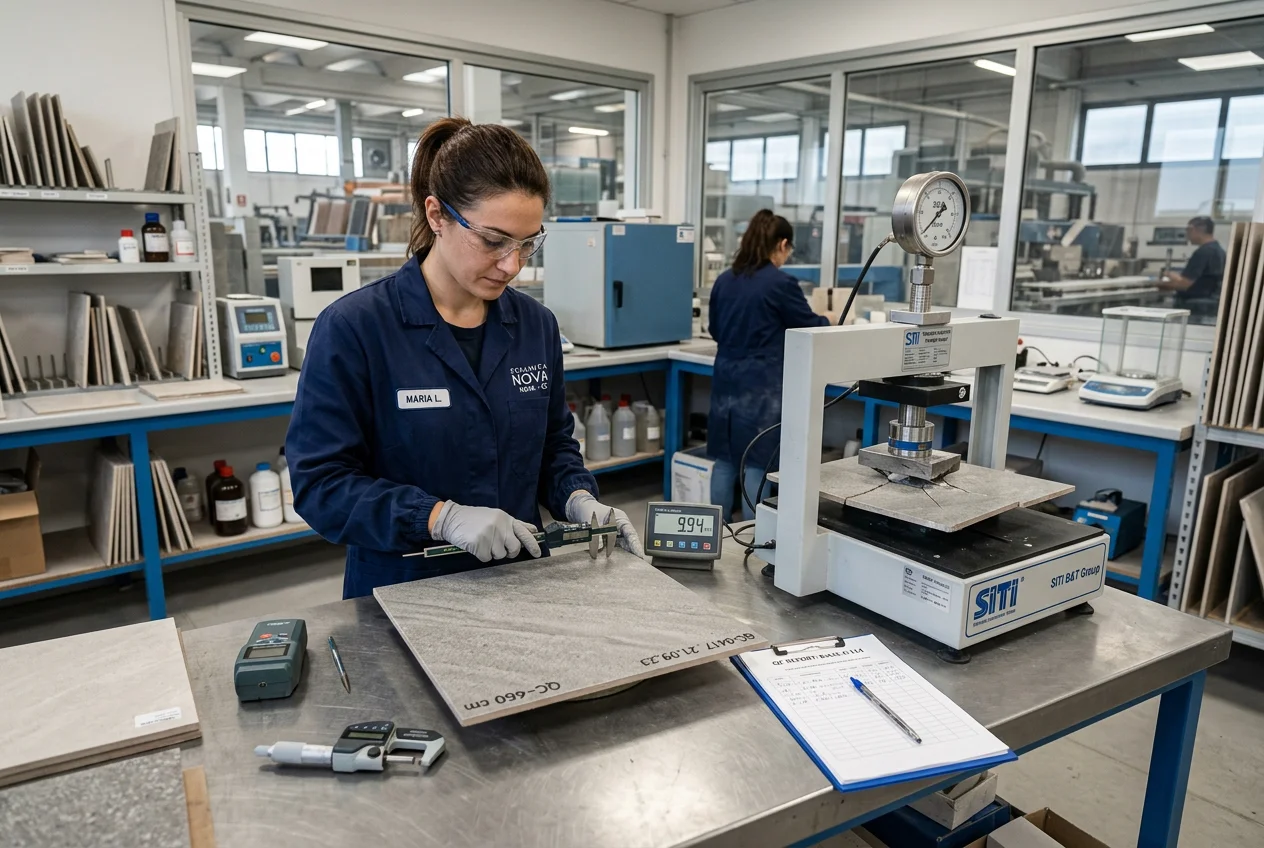
An Environmental Product Declaration (EPD) is a document that provides information about a product’s environmental impact based on a life cycle assessment (LCA). For tiles, it can provide information about areas such as energy use, emissions, raw materials and other environmental impacts covered by the assessment.
Eco-Friendly, Low-Carbon or Carbon-Neutral?
These terms are not interchangeable:
- Eco-friendly: A broad term that suggests lower environmental impact but needs supporting details.
- Low-carbon: Focuses specifically on reducing greenhouse gas emissions.
- Carbon-neutral: Generally means the emissions accounted for under a defined claim or boundary are balanced by reductions, removals or other recognised measures.
How Can You Check a Carbon Claim?
Before trusting a claim, ask:
- What exactly is being claimed?
- How was it measured?
- Which stages of the tile’s life were included?
- Is there supporting documentation or verification?
A label saying “green” or “eco friendly” does not tell you enough on its own. Reliable environmental information gives you a better basis for comparing tiles and making a more informed flooring decision.
What Can Tile Manufacturers Do to Lower Their Carbon Footprint?
Reducing the carbon footprint of tile production is not about one change. It comes from improving several parts of the manufacturing process.
Manufacturers can focus on:
- Use less energy: Improve equipment and production processes to avoid unnecessary energy use.
- Improve kiln efficiency: Better kiln performance can reduce the energy needed for firing.
- Use renewable electricity: Solar or other renewable sources can reduce emissions linked to electricity use.
- Reduce production waste: Fewer defects mean fewer materials and energy are wasted.
- Reuse suitable materials: Some production waste can be returned to the manufacturing process where technically suitable.
- Improve water efficiency: Reusing process water can reduce freshwater consumption.
- Optimize packaging: Use packaging efficiently while still protecting tiles from damage.
- Improve transportation: Better pallet and container loading can help move products more efficiently.
- Measure emissions: Manufacturers need to understand where emissions come from before setting meaningful reduction targets.
What Should Homeowners, Architects and Buyers Look For?
Homeowners
Choose a tile that is durable and suitable for the space. A tile that lasts for many years can reduce the need for frequent replacement.
Architects and Designers
Look beyond colour and appearance. Consider performance, lifespan, manufacturing practices and available environmental information when specifying tiles.
Buyers and Importers
Ask manufacturers for clear and verifiable information about environmental claims, carbon footprint, manufacturing processes and relevant documentation such as an EPD, where available.
Everyone
Don’t choose a tile simply because it says “eco friendly”. Look at the evidence behind the claim and consider the tile’s complete journey from production to installation.
Where Is Sustainable Tile Manufacturing Heading?
Tile manufacturing is moving toward lower energy use, renewable energy and better carbon measurement. Manufacturers are also focusing on reducing production waste and using resources more efficiently.
At the same time, buyers want clearer environmental information, such as EPDs and verified carbon data. As sustainable construction grows, the focus is shifting from simply calling a tile “eco friendly” to showing how it is made and what environmental impact it has.
Final Thoughts — Look Beyond the Tile Surface
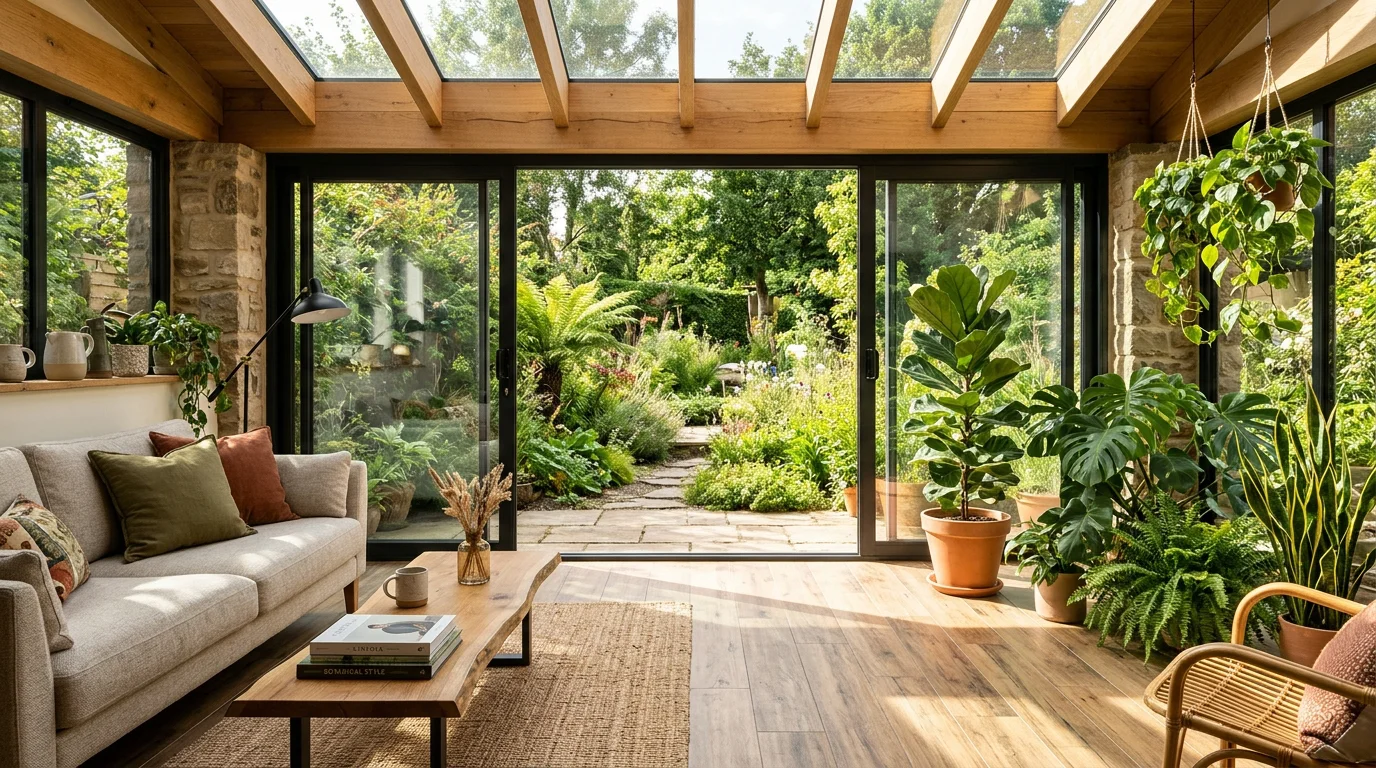
A tile’s environmental story is not decided by its colour, finish or the word eco-friendly on a brochure. From building materials and energy use to manufacturing, packaging, transportation and tile installation, every stage can affect its footprint.
As the construction industry responds to global carbon dioxide emissions and rising demand for sustainable building materials, ideas such as energy efficiency, recycled materials, circular economy, green building and sustainable production are becoming more important. Whether you are choosing floor tiles, roof tiles, carpet tile or other flooring solutions, look at how the product is made and how long it can last.
Explore Ramirro Ceramica’s tile products and collections online or offline, and contact the team for help selecting suitable sustainable materials for your project. The goal is not to find a “perfect green tile”, but to make informed choices that support a low carbon footprint and more responsible construction.
Frequently Asked Questions About Carbon Footprint of Tiles
What is the carbon footprint of tiles?
It is the greenhouse gas emissions linked to making, packaging and transporting tiles.
Do ceramic and porcelain tiles have a carbon footprint?
Yes. Their footprint depends on materials, energy use, production methods and transportation.
Which part of tile manufacturing creates the most emissions?
Drying and kiln firing can be major sources because they require significant heat and energy.
How are carbon neutral tiles made?
Their relevant emissions are measured and remaining emissions are addressed through recognised reduction or balancing measures.
What are eco friendly or sustainable tiles?
They are tiles made with greater attention to energy, materials, waste and environmental impact.
What is an EPD for tiles?
An EPD provides verified information about a product’s environmental impacts based on a life cycle assessment.
How can I choose more sustainable tiles?
Consider durability, manufacturing, energy use, waste, packaging, transport and environmental information rather than just the word “eco friendly.”
Shop Now | Chat With Expert | View Catalogue

Here’s what you get out of our article. Our team have various Ceramic Experts with experience of more than 25 Years, researches on problems our customer faces in tiling industry.
Ramirro Ceramica, – One of The Leading Tiles Manufacturer and Supplier globally, helps you people gain knowledgeable insight before making your purchase decision for products related to the floor and wall tiles.
So, we have closely monitored all kinds of trends in the ceramic tiles manufacturing world, from the old days of clay and plain color to modern digital, realistic-looking designs printed on ceramics with high-depth effects.
Our tiling Experts have seen thousands of different tiles patterns, sizes, materials, pricing, and installation techniques throughout their career.
Their expertise shared with you in simplified and organised way, helps you choose and make better decision before purchasing any flooring option available in market.
Brief about Company:
Ramirro is one of the finest Tiles manufacturers in India manufacturing porcelain and ceramic tiles. Our products have a variety of sizes and types of tiles ranging from Ceramics, porcelain, Full body etc. This helps you choose the perfect fit for your project. Plus, our collection will help you get inspiration from the architect’s design.
Here’s some more helpful links that showcase our users trust on Ramirro Ceramica Brand:
– Growth in International Market
– Trusted and Licensed Exporter
– Manufacturing Plant in India
Here’s our social proof by LinkedIn competing with top known global tiling brands: