Ceramic Sourcing Matcher: Morbi vs Sassuolo
Evaluate whether large-scale Morbi manufacturing, Italian boutique design, or an integrated export partner fits your project.
1. What is the scope and primary budget requirement of your project?
Morbi’s strength lies in large-scale ceramic tile manufacturing, while Italy’s Sassuolo–Modena district is closely linked with ceramic expertise, design and industrial development.
Bologna adds another part of this connection through Cersaie, bringing manufacturers, designers, architects and buyers together around new ceramic surfaces, products and ideas.
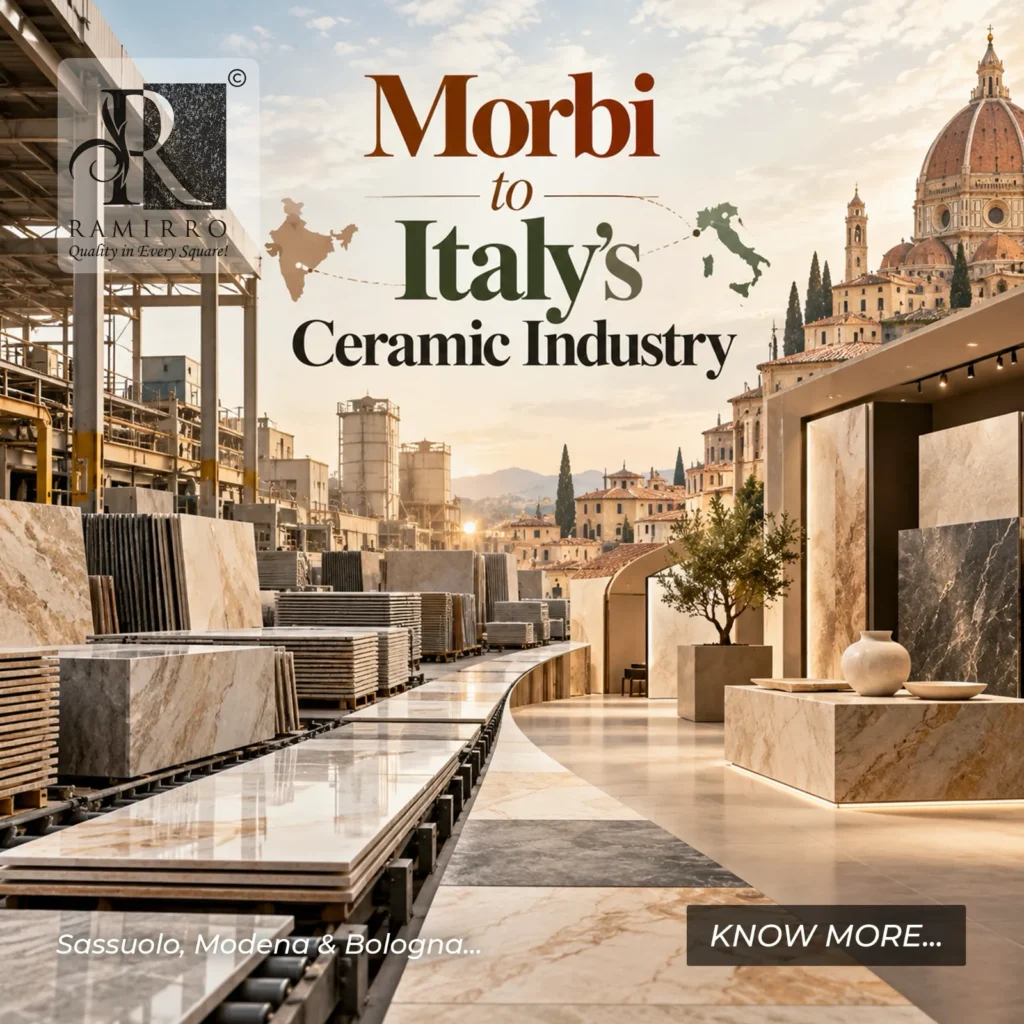
Together, Morbi, Sassuolo, Modena and Bologna show how tile manufacturing, design and international industry exchange connect across India and Italy.
Table of Contents
- Why Morbi, Sassuolo, Modena and Bologna Belong in One Ceramic Story
- Morbi: How a Manufacturing Cluster Became a Global Tile Hub
- Sassuolo: Understanding Italy’s Ceramic District
- Morbi and Sassuolo: What Their Ceramic Clusters Have in Common
- Where Modena Fits Into the Sassuolo Ceramic Story
- From Ceramic Manufacturing to Bologna: Why Cersaie Matters
- Cersaie Bologna 2026: What the Global Tile Industry Comes to See
- The Real Connection: Morbi → Sassuolo → Modena → Bologna
- What This Global Connection Means for Tile Buyers and Exporters
- What Morbi Manufacturers Can Take From International Ceramic Exhibitions
- Ramirro Ceramica: From Morbi Manufacturing to Global Tile Markets
- Final Thoughts — One Global Ceramic Industry, Many Important Hubs
- Frequently Asked Questions About Morbi and Italian Ceramic Industry
Why Morbi, Sassuolo, Modena and Bologna Belong in One Ceramic Story
Morbi is one of India’s major ceramic tile manufacturing clusters, with a strong network of factories, suppliers and export businesses. Sassuolo is at the centre of Italy’s established ceramic district, known for its long-standing ceramic industry and expertise.
Modena provides the wider regional setting for the Sassuolo ceramic district, while Bologna plays a different role as the home of Cersaie, an important international exhibition for ceramic tiles and bathroom furnishings.
Together, these places show different sides of the same industry: Morbi represents manufacturing, Sassuolo ceramic expertise, Modena the wider industrial region, and Bologna international exhibition and business connections.
Morbi: How a Manufacturing Cluster Became a Global Tile Hub
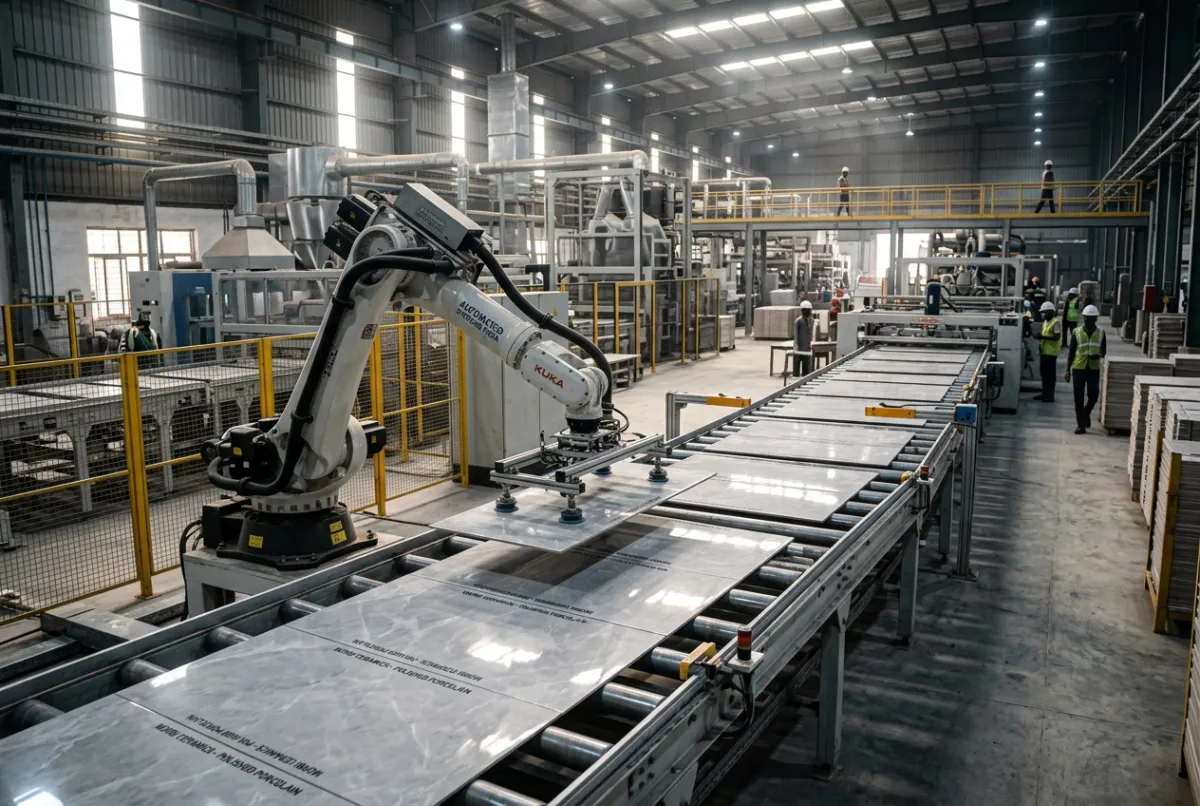
Morbi is one of India’s best-known ceramic tile manufacturing centres. Its strength comes from a large network of manufacturers and supporting businesses working close to each other, rather than from one factory alone.
Think of it as a complete tile ecosystem. Alongside factories, businesses handle raw materials, machinery, packaging, transport, logistics and exports. This connected network helps manufacturers produce, pack and move tiles more efficiently.
For buyers, Morbi offers a wide choice of ceramic and porcelain tiles in different sizes, colours, patterns, textures and finishes for residential and commercial projects. The region also serves international markets, making quality control, export packaging and logistics important parts of the industry.
The real strength of Morbi is this connected ecosystem: factories make the tiles, suppliers support production, logistics move them, and exporters connect them with markets around the world. That is what turns a manufacturing area into a major ceramic industry hub.
Sassuolo: Understanding Italy’s Ceramic District
Sassuolo is more than a city associated with Italian tiles. It is at the centre of the Sassuolo ceramic district, which extends across the provinces of Modena and Reggio Emilia. The district is one of Italy’s key areas for ceramic tile production.
Its strength comes from a close network of ceramic manufacturers, suppliers, technology companies and supporting businesses. Over time, this ecosystem has helped develop strong skills in production, product development and ceramic technology.
Sassuolo is also strongly connected with Italian ceramic design and international markets. This combination of manufacturing, technology and design has helped Italian ceramics build a recognised position in global markets.
So, “Sassuolo ceramic district” is more accurate than calling Sassuolo simply “Italy’s tile city.” It represents a wider industrial ecosystem, with Sassuolo at its centre and the surrounding Modena and Reggio Emilia areas forming an important part of the story.
Morbi and Sassuolo: What Their Ceramic Clusters Have in Common
Morbi and Sassuolo are different markets, but both show the value of a strong ceramic cluster. Many related businesses operate within the same region, creating a connected industry rather than isolated factories.
In Morbi, this includes tile manufacturers, suppliers, machinery companies, packaging businesses, transporters and exporters. The Sassuolo district also brings together ceramic manufacturers, technology providers and specialised suppliers.
Their products, technologies and business models are not the same. However, both demonstrate one important idea: a strong ceramic industry depends on an ecosystem of manufacturers, suppliers, skilled workers, technology and services working together to reach domestic and international markets.
Where Modena Fits Into the Sassuolo Ceramic Story
Sassuolo is located in the Province of Modena, which is why the two names often appear together when discussing Italy’s ceramic industry.
But the story is wider than one city. The Sassuolo ceramic district extends across parts of the provinces of Modena and Reggio Emilia, bringing together manufacturers and businesses connected to ceramic production.
So, when you see “Sassuolo and Modena” in the context of ceramics, think of Sassuolo as a key centre within a broader industrial area, rather than two completely separate tile hubs.
This distinction matters because Sassuolo identifies the heart of the ceramic district, while Modena provides the wider provincial and industrial context around it.
From Ceramic Manufacturing to Bologna: Why Cersaie Matters
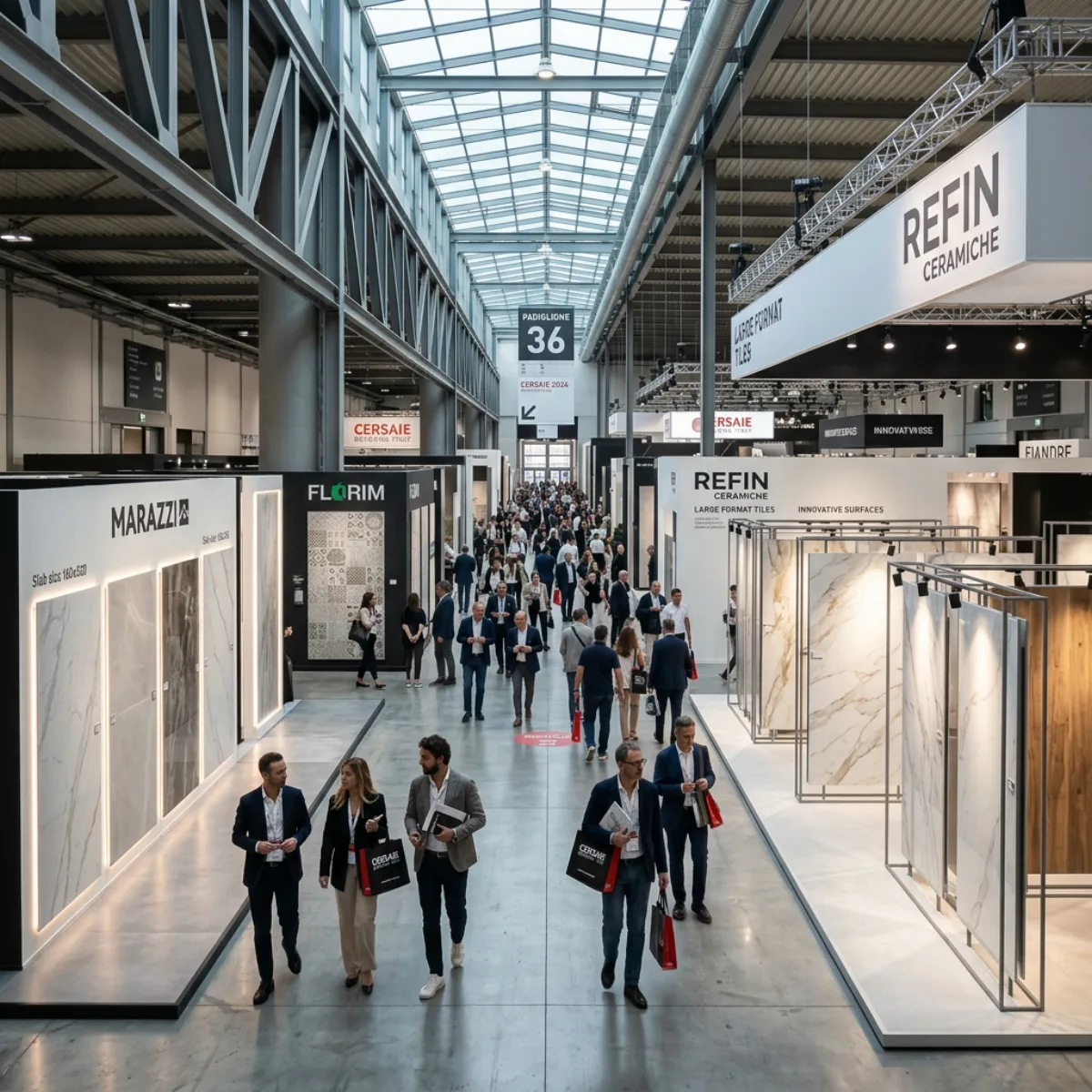
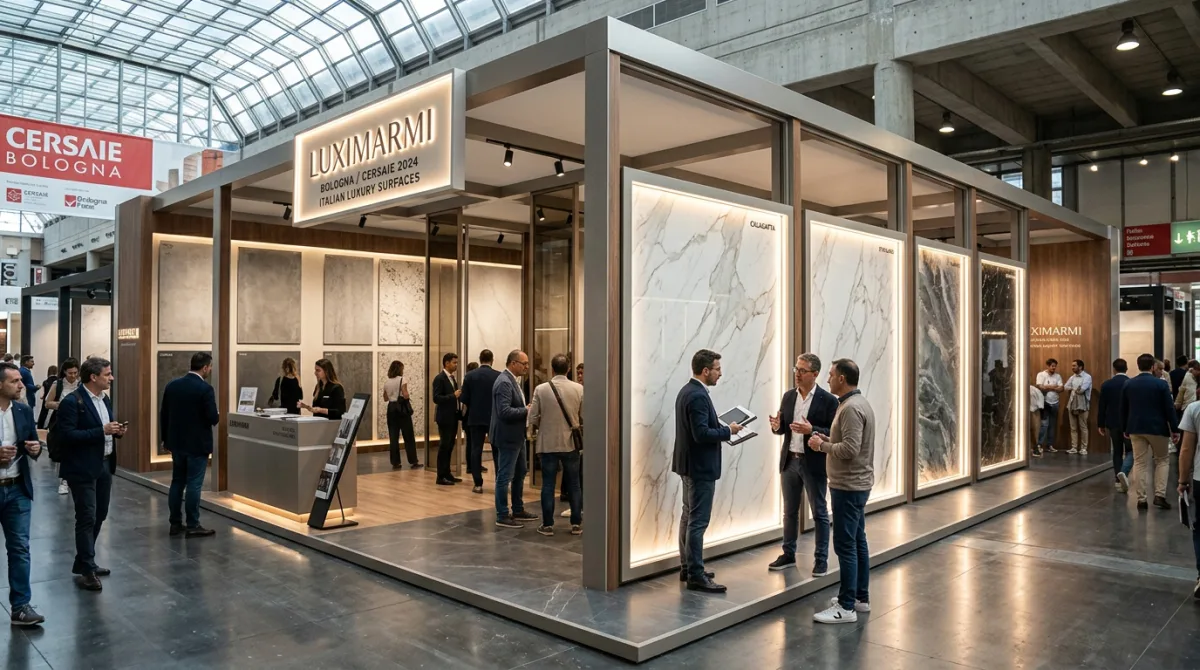
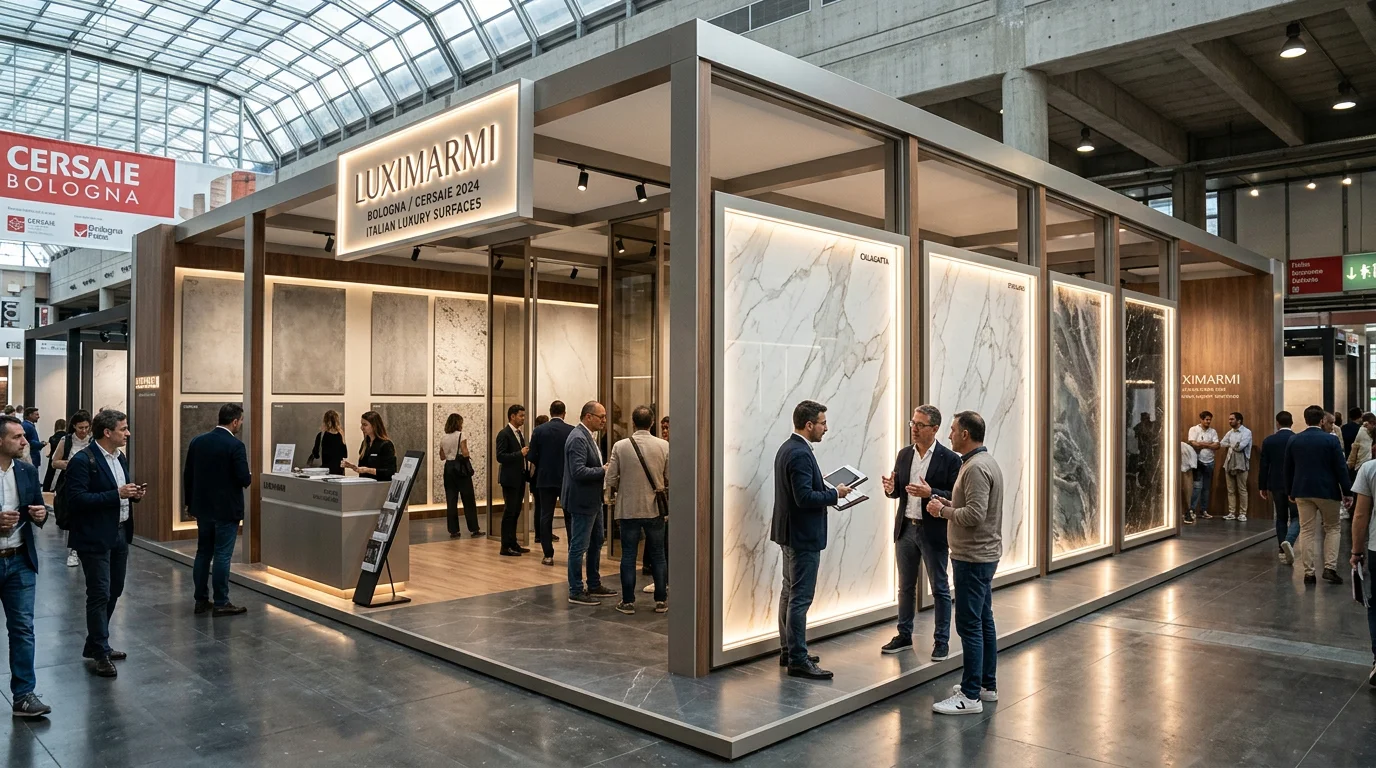
Morbi and Sassuolo are places where the ceramic industry is built; Bologna is where much of the industry comes together. Every year, Cersaie at BolognaFiere brings ceramic manufacturers, architects, designers, distributors and buyers into one place.
An industry exhibition is not just a showroom. It is a place to see new products, discover design ideas, meet business partners and understand changing market needs. At Cersaie, visitors can explore ceramic surfaces, bathroom products, new designs and technical developments.
For a manufacturer or exporter, this creates an important link between production and the international market. Morbi makes, Sassuolo develops within its ceramic district, and Bologna provides a place where the wider industry can meet, exchange ideas and do business.
Cersaie Bologna 2026: What the Global Tile Industry Comes to See
Cersaie 2026 will take place from 21–25 September 2026 at BolognaFiere, Bologna, Italy. It brings together ceramic surfaces, bathroom furnishings, design, technology and installation-related products.
Visitors can use the event differently depending on their role:
- Tile buyers: Compare products, finishes and technical details before making purchasing decisions.
- Architects and designers: Discover new surface designs, colours, textures and applications.
- Manufacturers: Study product development, technology, presentation and changing design directions.
- Exporters: Understand international buyer expectations and connect with potential business partners.
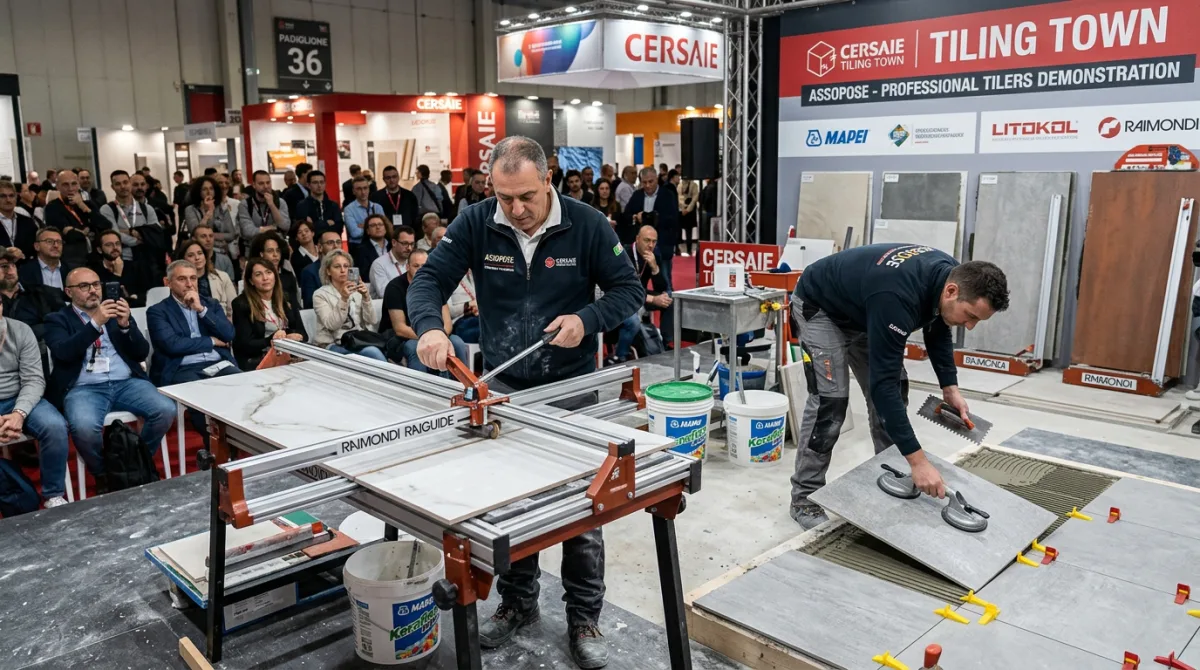
- Installers: Learn practical techniques through demonstrations and technical sessions at Tiling Town.
- Industry professionals: Attend conferences, discussions and networking events to understand current ceramic and design developments.
The key value of Cersaie is not simply seeing new tiles. It gives visitors a chance to understand new ideas, meet industry professionals and see where ceramic surfaces are heading next.
The Real Connection: Morbi → Sassuolo → Modena → Bologna
The connection becomes clearer when each place is given its own role in the ceramic journey:
Morbi → Manufacturing and export ecosystem: Morbi brings together tile factories, suppliers, packaging, logistics and export businesses, making it an important production base.
Sassuolo → Ceramic district and industry expertise: Sassuolo sits at the centre of Italy’s established ceramic district, where manufacturing, technology and ceramic knowledge have developed together.
Modena → Wider industrial region: Sassuolo is part of the Province of Modena, so Modena provides the broader geographic and industrial context behind the ceramic district.
Bologna → International exhibition and business platform: Bologna adds a different piece through Cersaie, where manufacturers, architects, designers, distributors and buyers meet to explore products, ideas and business opportunities.
Put together, these locations show how the ceramic industry moves beyond the factory. Morbi represents production and exports, Sassuolo represents an established ceramic ecosystem, Modena provides the wider regional setting, and Bologna connects the industry with international markets and ideas. The journey is not about four identical ceramic centres; it is about four different roles within a connected industry.
What This Global Connection Means for Tile Buyers and Exporters
Knowing that a tile comes from Morbi, Sassuolo or another well-known ceramic region can tell you something about its manufacturing background, but it does not automatically tell you whether that tile is right for your project.
Before buying, look beyond the place of manufacture and check:
- Tile type: Ceramic, porcelain or another material.
- Size and thickness: Make sure they suit the space and installation method.
- Surface finish: Matte, polished, textured or other finishes behave differently.
- Water absorption: Shows how much water the tile can take in and helps determine suitable applications.
- Slip performance: Important for floors where wet or slippery conditions may occur.
- Intended use: A wall tile may not be suitable for a busy floor or outdoor area.
- Quality consistency: Check whether tiles from different batches maintain the same colour, size and finish.
- Technical documents: Look for product specifications and test information.
- Packaging: Good export packaging helps protect tiles during long-distance transport.
- Installation requirements: The right adhesive, grout, surface preparation and installation method matter.
For exporters, the same principle applies. A strong manufacturing location is only the starting point. Buyers in different countries may have different technical, design, packaging and installation requirements. In the end, the right tile depends on the room, climate, traffic, moisture, installation conditions and project requirements—not simply the name of the ceramic region.
What Morbi Manufacturers Can Take From International Ceramic Exhibitions
International exhibitions such as Cersaie help Morbi manufacturers and exporters understand what is changing in the global ceramic market. The value is not just in seeing new tiles, but in understanding what buyers, designers and architects are looking for.
Manufacturers can observe:
- Design preferences: colours, patterns, textures and stone or wood-inspired surfaces.
- New formats: changing tile sizes, shapes and large-format applications.
- Surface finishes: matte, polished, textured and other treatments.
- Product presentation: how manufacturers display tiles and create room settings.
- Sustainability: new approaches to materials, production and environmental concerns.
- Technology: developments in manufacturing, surfaces and installation.
- Buyer expectations: the technical information and product details international buyers look for.
- Business connections: opportunities to meet distributors, architects, designers and potential buyers.
The aim is not to copy Italian products. Different markets have different needs. International exhibitions simply provide ideas and market knowledge that manufacturers can study, adapt and apply to their own products and target customers.
Ramirro Ceramica: From Morbi Manufacturing to Global Tile Markets
As the ceramic industry becomes more connected to global design and changing project needs, manufacturers must look beyond production alone. Ramirro Ceramica develops ceramic and porcelain tile solutions for modern residential, commercial and architectural spaces, with collections covering different sizes, finishes and design styles.
For buyers, choosing a tile is about matching the product with the project, not simply following a trend. Ramirro Ceramica’s collections can be explored online, while project-specific requirements can also be discussed directly with the company. Whether you are selecting tiles for a home, hospitality project or commercial space, checking the right product specifications, finish and application remains an important part of the buying process.
Final Thoughts — One Global Ceramic Industry, Many Important Hubs
Morbi has grown into a major ceramic hub in the state of Gujarat, with Morbi ceramics playing an important role in India’s ceramic tile industry. Often described as the ceramic capital of India, the city has built a strong manufacturing hub supported by access to raw materials, suppliers, logistics and an established supply chain.
Sassuolo represents Italy’s leading ceramic district, while Modena provides its wider industrial context. Bologna adds the international connection through Cersaie, where manufacturers, designers and buyers respond to global demand and new ideas.
For buyers, the journey still comes down to choosing the right product. Explore Ramirro Ceramica’s wide range of ceramic collections for vitrified tiles, glazed vitrified tiles, floor tiles and other ceramic products, either through online or offline purchase channels. Whether you are sourcing tiles from Morbi or looking for a reliable manufacturer and exporter of ceramic products, product suitability and quality remain important.
From ceramic exports to international design, Morbi, Sassuolo, Modena and Bologna show how today’s ceramic industry connects manufacturing with markets around the world.
Frequently Asked Questions About Morbi and Italian Ceramic Industry
How is Morbi connected to the Italian ceramic industry?
Through global trade, design trends, technology and international industry events such as Cersaie.
Why should Morbi manufacturers follow Cersaie?
It helps them understand new products, designs, technologies and buyer expectations.
What should buyers check besides the tile’s origin?
Check its size, finish, performance, application and installation requirements.
Are Morbi and Sassuolo ceramic industries the same?
No. Their markets and business models differ, but both have strong ceramic industry ecosystems.
Why is Sassuolo called a ceramic district?
Because its ceramic industry extends beyond one city into a wider network across the region.
How can Cersaie help tile exporters?
It provides opportunities to study markets, discover trends and build international business connections.
Shop Now | Chat With Expert | View Catalogue

Here’s what you get out of our article. Our team have various Ceramic Experts with experience of more than 25 Years, researches on problems our customer faces in tiling industry.
Ramirro Ceramica, – One of The Leading Tiles Manufacturer and Supplier globally, helps you people gain knowledgeable insight before making your purchase decision for products related to the floor and wall tiles.
So, we have closely monitored all kinds of trends in the ceramic tiles manufacturing world, from the old days of clay and plain color to modern digital, realistic-looking designs printed on ceramics with high-depth effects.
Our tiling Experts have seen thousands of different tiles patterns, sizes, materials, pricing, and installation techniques throughout their career.
Their expertise shared with you in simplified and organised way, helps you choose and make better decision before purchasing any flooring option available in market.
Brief about Company:
Ramirro is one of the finest Tiles manufacturers in India manufacturing porcelain and ceramic tiles. Our products have a variety of sizes and types of tiles ranging from Ceramics, porcelain, Full body etc. This helps you choose the perfect fit for your project. Plus, our collection will help you get inspiration from the architect’s design.
Here’s some more helpful links that showcase our users trust on Ramirro Ceramica Brand:
– Growth in International Market
– Trusted and Licensed Exporter
– Manufacturing Plant in India
Here’s our social proof by LinkedIn competing with top known global tiling brands: