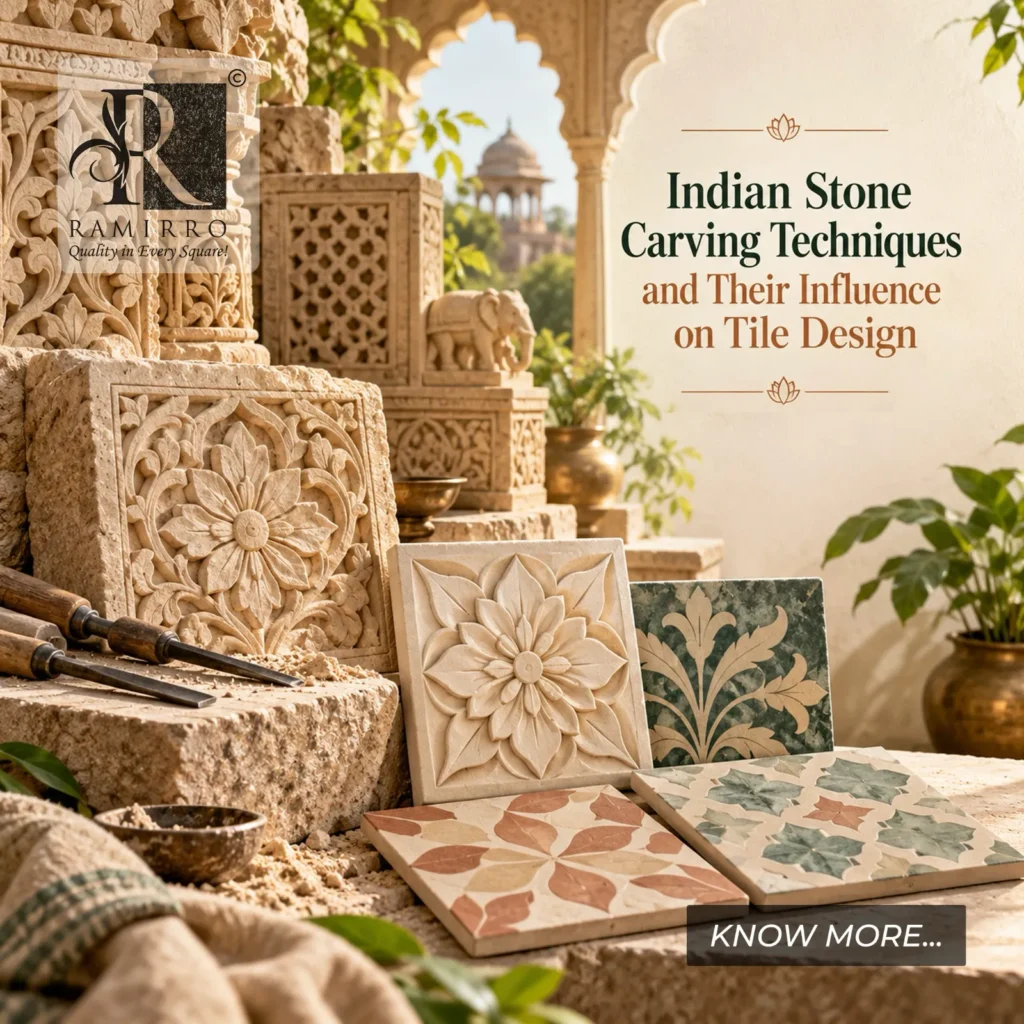
Mastering indian stone carving techniques includes relief carving, chiseling, and detailed geometric and floral patterns that have shaped the country’s temples, monuments, and traditional architecture for centuries. Each method creates a different effect, from raised designs and intricate details to decorative patterns carved directly into stone.
These techniques reflect the skill of Indian artisans and continue to influence modern architectural design. Their patterns, textures, and surface details offer timeless inspiration for contemporary residential and commercial spaces.
Today, ceramic and porcelain tiles bring stone inspired aesthetics into modern interiors through decorative patterns, textured surfaces, and varied finishes. Ramirro Ceramica offers tile designs that help connect these timeless visual influences with contemporary spaces.
Interactive Stone Carving & Textured Tile Selector
Determine whether hand-carved stone, tactile carving-finish tiles, or stone-look porcelain best matches your architectural aesthetic, maintenance needs, and budget.
1. What architectural feature or space are you designing?
Evaluating Architectural Recommendation…
Consult Ramirro Surface SpecialistTable of Contents: Indian Stone Carving & Modern Tile Design
- How Indian Stone Carving Techniques Turn Ordinary Stone into Architectural Features
- Traditional Indian Stone Carving Tools and Methods That Create Different Detail Levels
- Relief Carving, Jali Work and Fine Detailing: Three Techniques That Create Different Stone Surfaces
- How the Appearance of Carved Stone Can Be Recreated with Ceramic and Porcelain Tiles
- Carved Stone or Modern Tiles: What Should You Choose for Your Project?
- How to Use Carved Look and Textured Tiles Without Making Your Space Feel Too Busy
- How Ramirro Ceramica Connects Stone Inspired Design with Modern Tile Finishes
- Final Thoughts: How Traditional Stone Carving Continues to Inspire Tile Design
- Frequently Asked Questions
How Indian Stone Carving Techniques Turn Ordinary Stone into Detailed Architectural Features
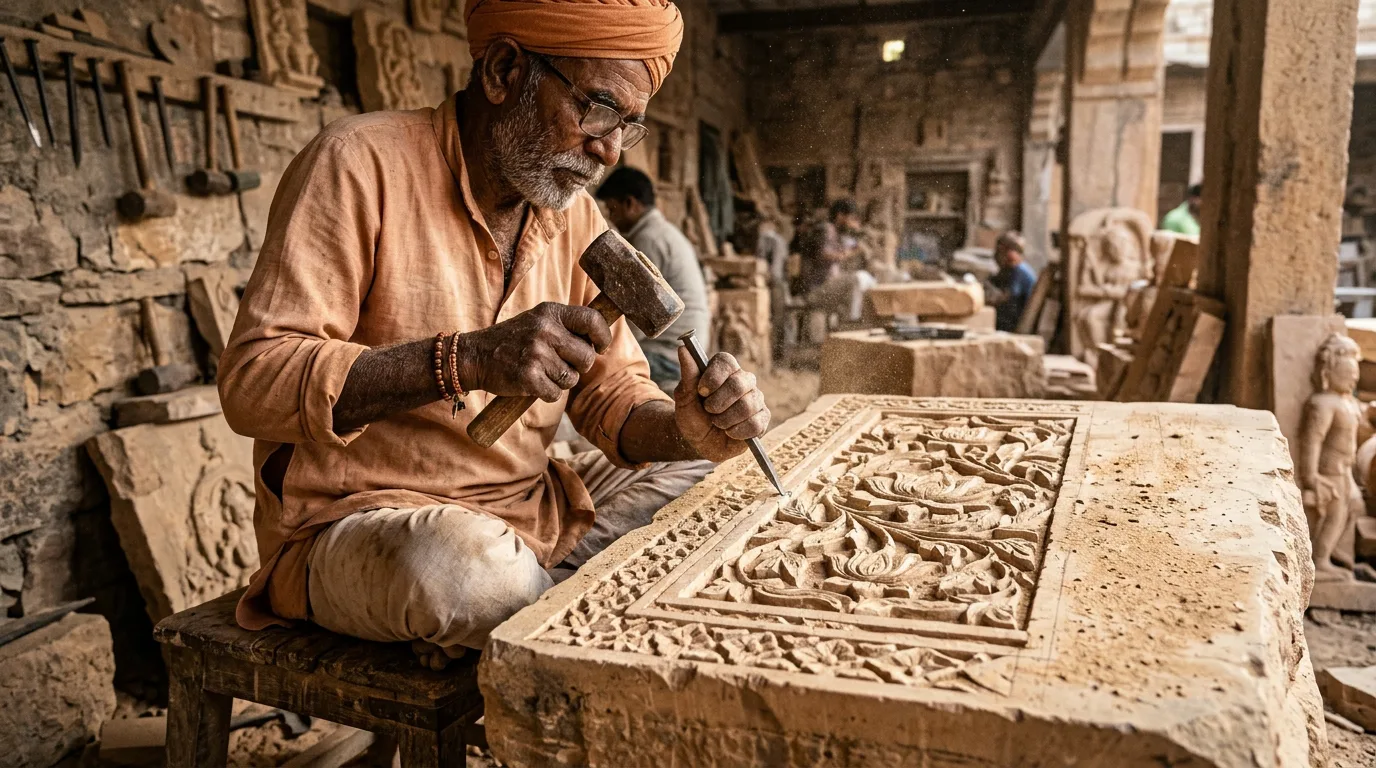
Indian stone carving techniques transform solid stone into decorative and functional features such as pillars, wall panels, arches, and screens. Artisans use careful planning, shaping, cutting, and finishing to create detailed designs while preserving the stone's strength.
The process depends on the type of stone and the complexity of the design. Harder stones and intricate patterns may require more time and precision, while the right finishing brings out the details.
Across Indian architecture, carved temple pillars, floral patterns, relief carvings, and jali screens show how stonework combines beauty with practical use. These traditional details continue to inspire modern tile designs, including stone inspired patterns and textured finishes.
Connect with Ramirro Ceramica for Stone-Inspired Collections
Looking to integrate stone-inspired textures, carving finishes, or authentic architectural patterns into your project? Consult Ramirro Ceramica's surface design experts to explore curated porcelain tiles and custom exports.
Traditional Indian Stone Carving Tools and Methods That Create Different Levels of Detail
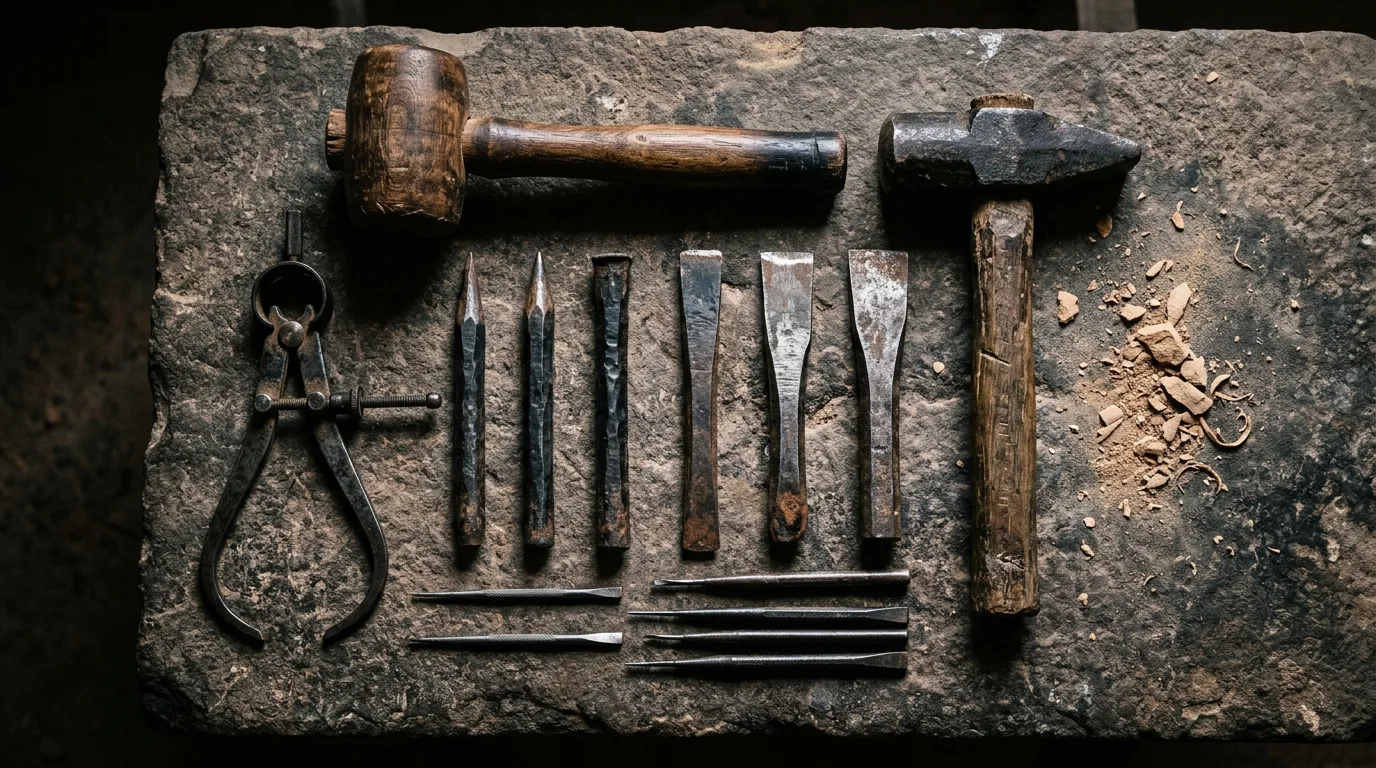
Traditional Indian stone carving relies on tools such as hammers and chisels to shape stone and create decorative details. Pointed chisels help remove larger pieces of stone, while flat chisels smooth surfaces and refine edges. Artisans usually begin by creating the basic shape before working on finer details.
The choice of tools and methods depends on the stone’s hardness, condition, and the design. Carving a straight line may require only a few controlled cuts, while creating a small flower or repeated geometric pattern demands greater precision and patience.
Modern cutting equipment can help with initial shaping and straight cuts, but detailed hand carving still requires skilled craftsmanship. The combination of tools, stone type, and carving method determines the final pattern, depth, and surface finish.
Relief Carving, Jali Work and Fine Detailing: Three Techniques That Create Different Stone Surfaces
Relief Carving Creates Raised and Recessed Designs
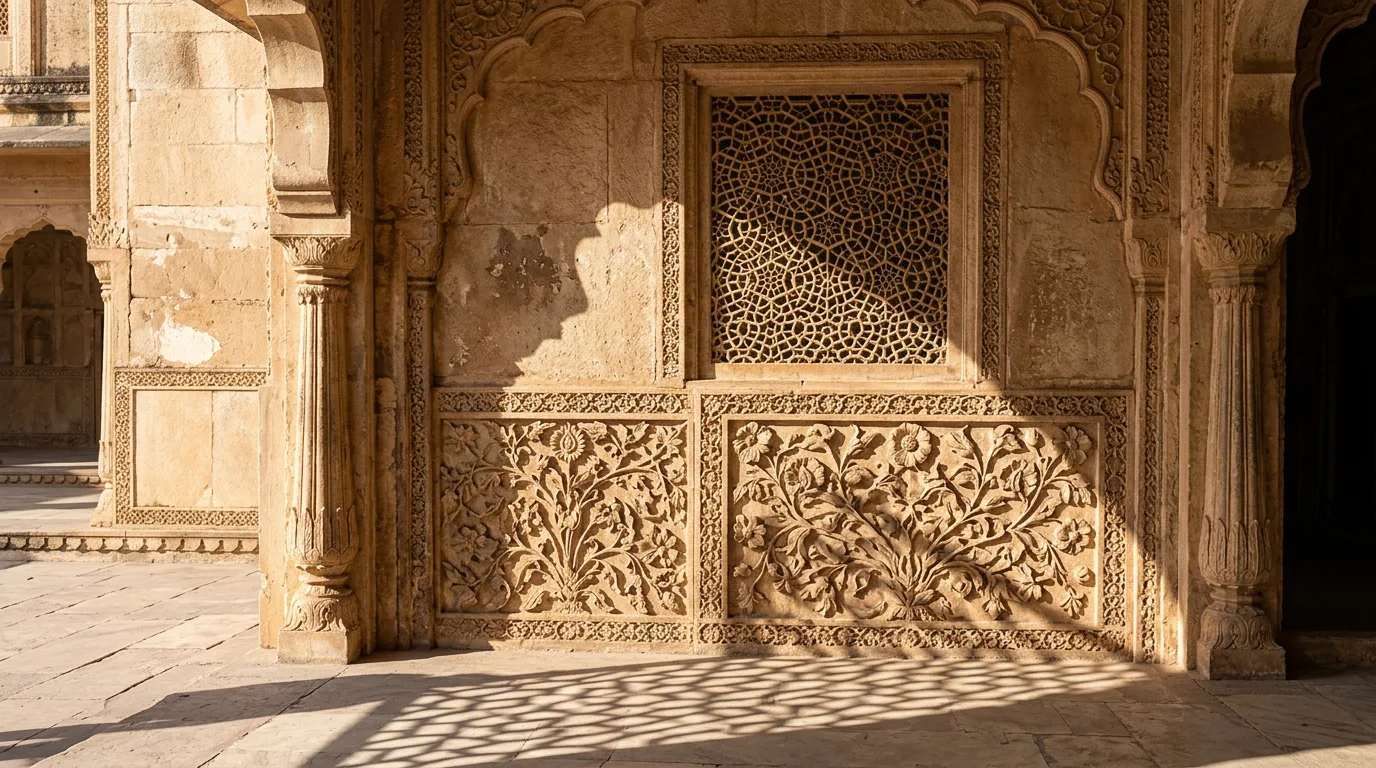
Relief carving creates depth by shaping the stone around a design or cutting parts of the surface away. This technique is often used for floral panels, decorative borders, and patterns that stand out from the background.
Jali Carving Creates Patterns with Open Spaces
Jali work involves carving repeated openings into stone to create decorative screens. These screens allow light and air to pass through while offering privacy. Unlike a tile printed with a jali pattern, a genuine stone jali has physical openings.
Fine Detailing Adds Small Lines and Decorative Elements
Fine detailing focuses on smaller features, such as leaf patterns, curved edges, narrow borders, and repeated geometric shapes. These details require precision and help make carved designs more intricate and visually appealing.
How the Appearance of Carved Stone Can Be Recreated Differently with Ceramic and Porcelain Tiles
Traditional Indian stone carving creates depth through carefully shaped surfaces and detailed patterns. Modern ceramic and porcelain tiles offer a different way to explore this look through printed designs, textured finishes, and stone inspired surfaces. Understanding these differences helps readers choose tiles that suit their design vision.
Printed Patterns Recreate the Beauty of Decorative Stonework
Modern tile designs can feature floral motifs, geometric lines, and decorative patterns inspired by traditional Indian architecture.
- How they work: Designs are printed onto the tile surface to create visual detail without physically carving the material.
- Where they work well: Decorative walls, feature panels, living rooms, and other spaces where patterns can become a focal point.
- What to remember: A printed carving inspired pattern may look detailed, but the surface can remain smooth.
Carving Finishes Add Texture and Surface Depth
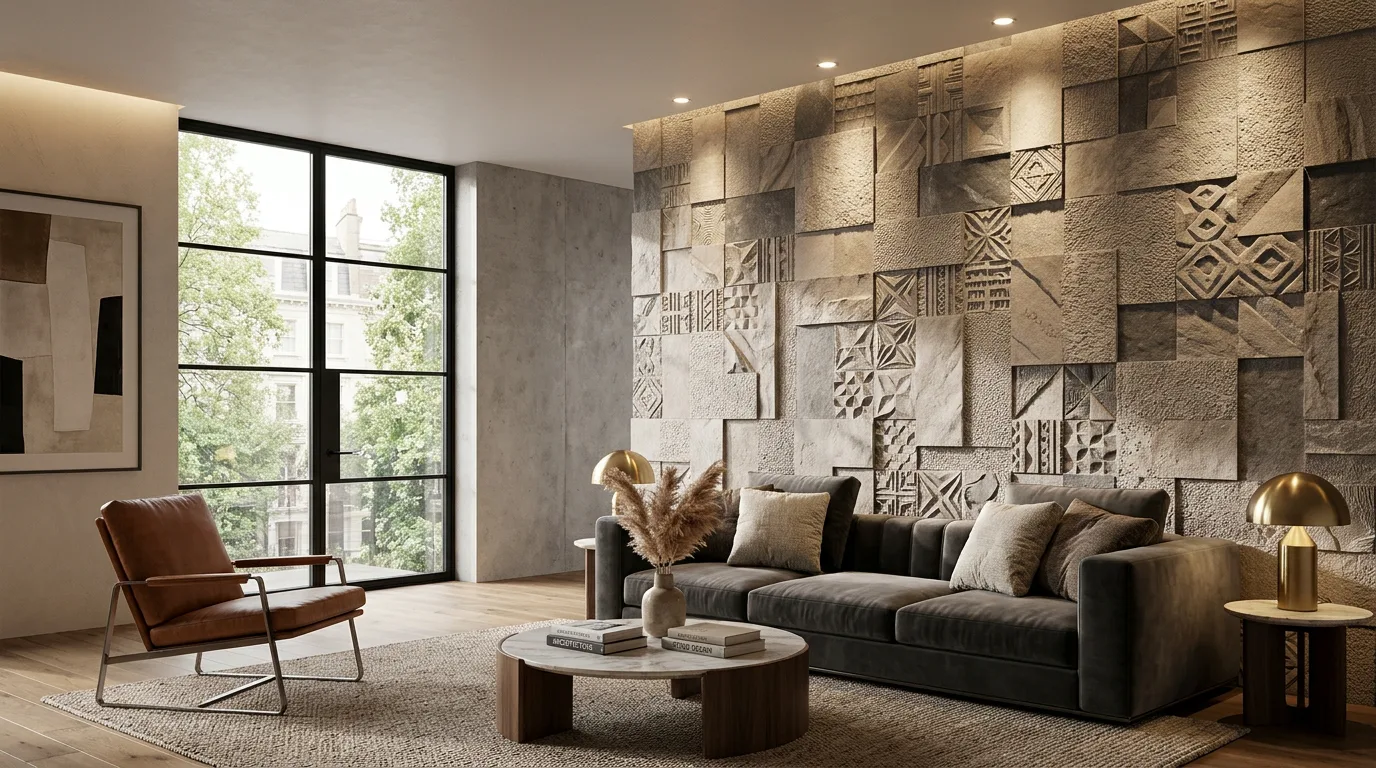
Some tiles go beyond printed designs by using finishes that create a more noticeable surface texture or raised effect.
- How they work: The tile's surface finish adds physical variation that can be seen and felt.
- Ramirro Ceramica connection: Ramirro Ceramica lists carving and high depth elevation among its tile finishes, making these useful options to explore when looking for tiles with more pronounced surface details.
- What to remember: Not every carving finish resembles hand carved stone. Check the actual product surface to understand its texture and design.
Stone Look Tiles Bring Natural Stone Aesthetics into Modern Interiors
Stone look ceramic and porcelain tiles are manufactured to resemble materials such as marble, limestone, and other natural stones.
- How they work: Colours, veins, patterns, and surface finishes recreate the appearance of natural stone.
- Where they work well: Floors, walls, bathrooms, living rooms, and commercial interiors, depending on the product's specifications.
- What to remember: A stone look tile can resemble natural stone without having the physical depth of a carved surface.
How Are These Three Tile Designs Different?
| Tile type | What makes it different | What you get |
|---|---|---|
| Printed decorative tiles | Patterns appear on the surface | Visual detail without necessarily adding texture |
| Tiles with carving finishes | The surface has physical texture or depth | A more tactile surface effect |
| Stone look tiles | The design resembles natural stone | A stone inspired appearance without using a solid piece of natural stone |
Request a Carving & Elevation Tile Sample Kit
Experience the tactile depth, chiseled relief, and stone-like glazes of our high-depth porcelain collections in person. Order physical sample swatches delivered to your office or architectural studio.
Carved Stone or Modern Tiles: What Should You Choose for Your Home or Building Project?
Choosing between carved natural stone and modern ceramic or porcelain tiles depends on your design goals, budget, installation needs, and preferred finish. Both can add character to a space, but they offer different ways to achieve the desired look.
Carved Stone vs Ceramic and Porcelain Tiles
| Consideration | Carved Natural Stone | Ceramic or Porcelain Tiles |
|---|---|---|
| Material | Natural stone shaped by carving | Manufactured ceramic or porcelain |
| Appearance | Authentic carved patterns and physical depth | Printed designs, textures, or stone inspired finishes |
| Design options | Custom details shaped by skilled artisans | A range of manufactured patterns, sizes, and finishes |
| Installation | May require specialist stonework | Requires suitable tile installation |
| Maintenance | Depends on the stone and its finish | Depends on the tile type and surface finish |
| Cost | Varies with stone, carving complexity, and labour | Varies with material, size, finish, and installation |
When Carved Stone May Suit Your Project
Carved natural stone is worth considering when authenticity, custom craftsmanship, and three dimensional details are central to your design. It can work well for decorative pillars, feature panels, entranceways, and architectural elements where the carving itself is a major attraction.
When Ceramic or Porcelain Tiles May Be a Practical Option
Modern tiles offer a variety of designs, sizes, and finishes for different interior and exterior applications. Stone look patterns can create a natural aesthetic, while textured or carving finishes can add surface detail. Ramirro Ceramica's range of tile finishes provides options to explore, depending on the appearance and performance your project requires.
Questions to Ask Before Choosing
- Where will the material be used? Wall and floor applications may require different product properties.
- What surface effect do you want? Decide whether you prefer printed patterns, physical texture, or genuinely carved stone.
- How will lighting affect the design? Light and shadows can change how patterns and surface textures appear.
- What are the installation and maintenance requirements? Check the specific material, finish, and manufacturer's recommendations.
How to Use Carved Look and Textured Tiles Without Making Your Space Feel Too Busy
Decorative tiles can bring depth and character to a space, but the key is knowing where and how to use them. A thoughtful choice of pattern, texture, and finish helps create a balanced look without overwhelming the room.
Use Detailed Tiles Where You Want the Eye to Focus
Carved look and decorative tiles work well on feature walls, behind a TV unit, or in selected sections of a living room. Using detailed designs in one area allows the pattern to stand out without competing with other elements. Simpler tiles on surrounding surfaces can help maintain visual balance.
Check How the Pattern Looks Across Multiple Tiles
A tile may look attractive on its own but appear very different when repeated across a large surface. Lines, floral motifs, and geometric patterns can create a strong visual effect when placed together. Before ordering, examine several tiles side by side to understand how the complete design will look.
Consider Lighting Before Choosing a Textured Finish
Lighting can change how a tile's texture appears. Raised details may create noticeable shadows under direct lighting, while softer lighting can produce a more subtle effect. Check a sample under lighting similar to that of your intended space before making a final decision.
Choose the Finish According to the Intended Use
Appearance should not be the only factor when selecting tiles. Check the manufacturer's specifications to confirm whether the tile is suitable for your intended application, especially in bathrooms, wet areas, on floors, or outdoors. The right combination of design, finish, and practical performance will help you achieve a space that looks attractive and works well.
How Ramirro Ceramica Connects Stone Inspired Design with Modern Tile Finishes
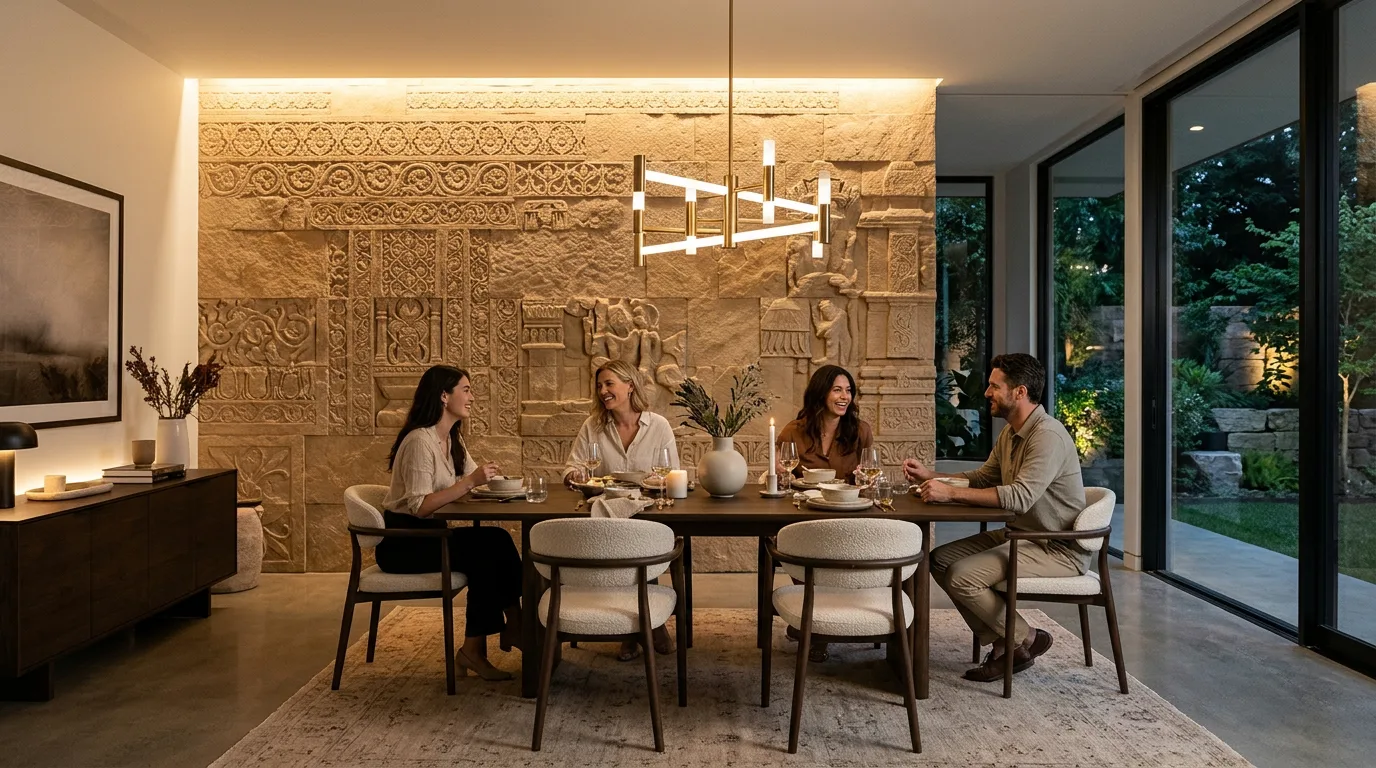
Ramirro Ceramica offers ceramic and porcelain tiles in various designs, sizes, and finishes for modern interiors. Some designs can complement spaces inspired by traditional Indian stone carving through decorative patterns and stone inspired appearances.
Stone look tiles recreate the appearance of natural stone, while carving and high depth elevation finishes can add surface texture. The actual design and finish should be checked to understand how closely they match your desired look.
Before choosing, consider the tile's size, finish, design, and intended application. Explore Ramirro Ceramica's tile collections to find options suited to your space.
Final Thoughts: How Traditional Indian Stone Carving Continues to Inspire Modern Tile Design
Indian stone carving is an ancient craft that combines cultural heritage, skill, and traditional craftsmanship. From sandstone blocks to intricate designs of Buddha, stone carvers use hand tools and carefully developed techniques to transform rough stone into detailed artwork. Today, modern tools and technology support this ancient art while preserving its influence on Indian art and architecture.
Modern ceramic and porcelain tiles offer another way to explore stone-inspired patterns and textures. Although they differ from traditional carvings, their designs connect ancient techniques with contemporary spaces. Explore Ramirro Ceramica's tile collections to find finishes that suit your design preferences and project needs.
Direct Manufacturer Export & Project Sourcing
Source directly from India's leading ceramic and porcelain tile manufacturer. Inquire about container-load pricing, custom technical specifications, and international export logistics.
Frequently Asked Questions
What are Indian stone carving techniques?
They are methods such as relief carving, chiseling, jali work, and fine detailing used to create decorative stone designs.
Which tools are used in traditional Indian stone carving?
Artisans commonly use hammers and pointed or flat chisels to shape stone and create detailed patterns.
What is the difference between relief carving and jali carving?
Relief carving creates raised or recessed designs, while jali carving creates decorative screens with open spaces.
How are carved stone patterns used in modern tile design?
Modern tiles can feature printed patterns and textured finishes inspired by traditional stonework.
What is the difference between carved stone and stone look tiles?
Carved stone is physically shaped by artisans, while stone look tiles are manufactured to resemble natural stone.
Are textured porcelain tiles the same as carved stone?
No, textured porcelain tiles have manufactured surface variations, while carved stone features designs cut directly into natural stone.
How can I choose decorative tiles for a feature wall?
Consider the pattern, texture, lighting, tile size, and suitability for the intended wall before selecting a design.
Shop Now | Chat With Expert | View Catalogue

Here’s what you get out of our article. Our team have various Ceramic Experts with experience of more than 25 Years, researches on problems our customer faces in tiling industry.
Ramirro Ceramica, – One of The Leading Tiles Manufacturer and Supplier globally, helps you people gain knowledgeable insight before making your purchase decision for products related to the floor and wall tiles.
So, we have closely monitored all kinds of trends in the ceramic tiles manufacturing world, from the old days of clay and plain color to modern digital, realistic-looking designs printed on ceramics with high-depth effects.
Our tiling Experts have seen thousands of different tiles patterns, sizes, materials, pricing, and installation techniques throughout their career.
Their expertise shared with you in simplified and organised way, helps you choose and make better decision before purchasing any flooring option available in market.
Brief about Company:
Ramirro is one of the finest Tiles manufacturers in India manufacturing porcelain and ceramic tiles. Our products have a variety of sizes and types of tiles ranging from Ceramics, porcelain, Full body etc. This helps you choose the perfect fit for your project. Plus, our collection will help you get inspiration from the architect’s design.
Here’s some more helpful links that showcase our users trust on Ramirro Ceramica Brand:
– Growth in International Market
– Trusted and Licensed Exporter
– Manufacturing Plant in India
Here’s our social proof by LinkedIn competing with top known global tiling brands: