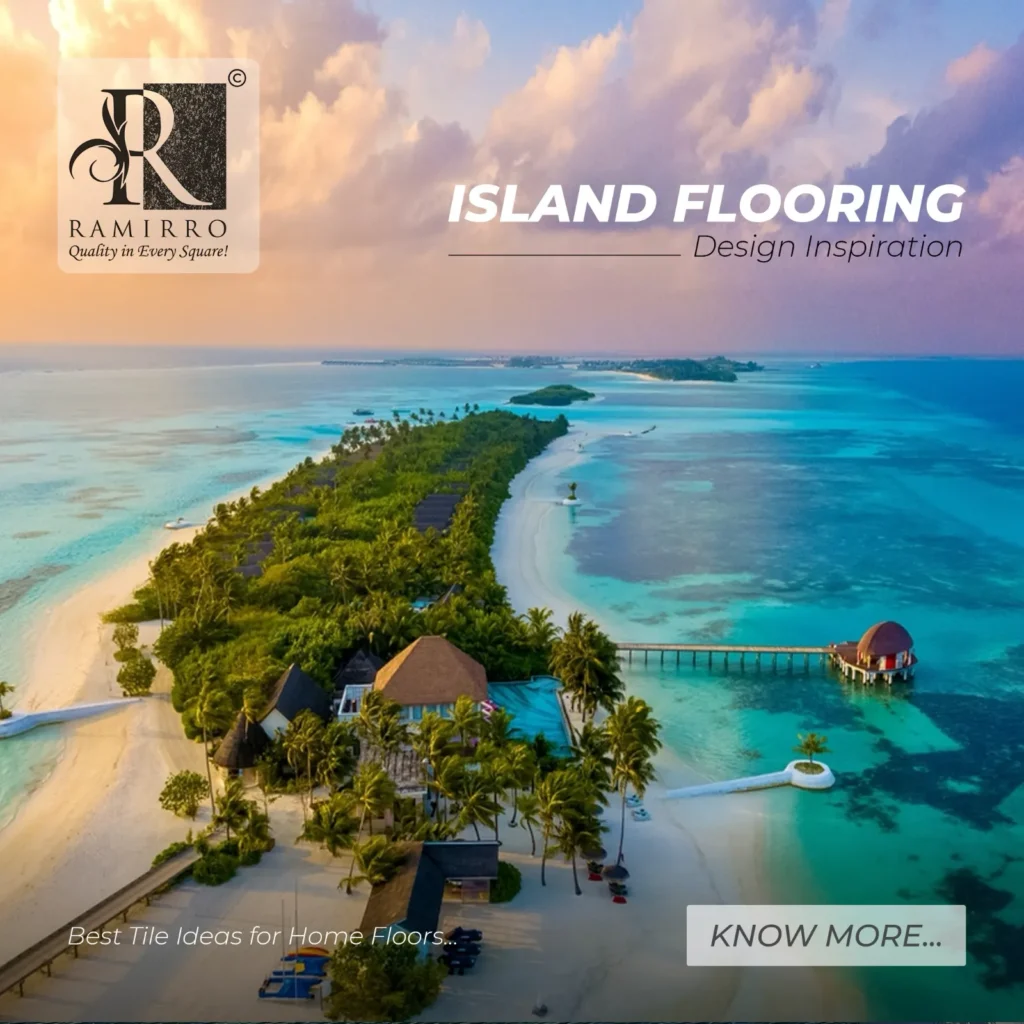
Island Floor Design Ideas: The Best Flooring Inspiration for Interior Design at Home
- Island Floor Design Ideas: The Best Flooring Inspiration for Interior Design at Home
- Why Island Homes Need a Different Flooring Mindset
- SECTION 1: What Makes Island Flooring Different From Mainland Flooring
- SECTION 2: Flooring Materials Traditionally Used in Island Architecture
- SECTION 3: Best Tiles for Island Homes (What Actually Works)
- SECTION 4: Flooring Ideas for Small Islands (Space, Light & Simplicity)
- SECTION 5: Flooring Styles for Large Islands & Luxury Island Homes
- SECTION 6: Regional Island Flooring Inspirations (Climate Led, Not Trend Led)
- SECTION 7: Safety First – Slip & Salt Resistance in Island Homes
- SECTION 8: Flooring Trends, Timeless Colours, and Practical Choices for Modern Island Homes
- SECTION 9: Why Tile Choice Matters More Than Trends on Islands
- SECTION 10: How Ramirro Ceramica Supports Island Flooring Decisions
- Ramirro Ceramica: Flooring That Belongs to the Island, Not Just the House
Island floor design is not just about choosing a pretty surface; it is about creating a cool, comfortable, and durable base for everyday life in coastal and tropical homes. From small island apartments to large ocean view villas, the right flooring can handle humidity, salt laden air, sand, and heavy foot traffic while still looking stylish and easy to maintain. Ramirro Ceramica is a tile manufacturer that focuses on high performance, design led tile solutions, helping homeowners and designers select flooring that works beautifully in real island conditions and supports modern interior design at home.
Why Island Homes Need a Different Flooring Mindset
Island homes are shaped by salt air, humidity, heat, sand, and water. These conditions are constant, not seasonal, and they directly affect how interior floors perform over time. Flooring that works well on the mainland often struggles in island environments.
In island regions, flooring is more than decoration. It functions as part of the home’s infrastructure, supporting safety, comfort, and durability. Because floors face daily moisture and barefoot use, interior design decisions naturally start from the floor up.
This guide explores island floor design ideas with a practical focus. You’ll learn about the best tiles for island homes, flooring ideas for small islands versus larger island residences, and how different island regions influence material choices. It also explains why tile flooring performs better than many traditional materials in humid and coastal island climates.
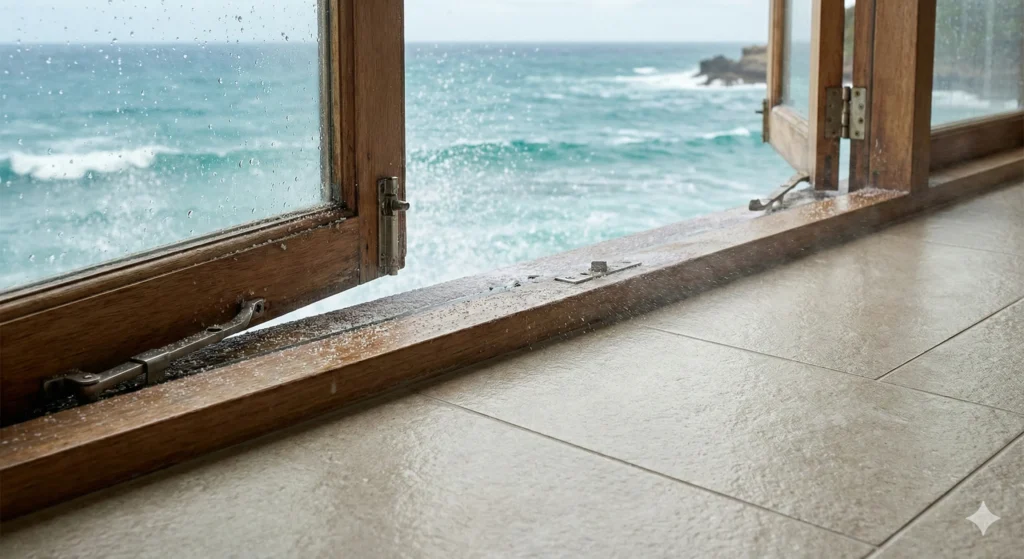
SECTION 1: What Makes Island Flooring Different From Mainland Flooring
Key Environmental Realities Of Island Homes
Constant salt exposure: Island air carries salt particles that settle on floors and surfaces. Over time, salt can damage finishes and weaken materials that are not designed to resist it.
High ambient humidity: Humidity levels remain high throughout the year on islands. Flooring materials must handle moisture in the air without swelling, cracking, or losing strength.
Frequent wet foot traffic: Barefoot movement from outdoors to indoors is common in island homes. Floors are often wet, making slip resistance and surface grip essential.
Strong sunlight and heat: Island homes receive intense sunlight and heat. Flooring must remain stable without fading, warping, or becoming uncomfortable underfoot.
Why Common Mainland Flooring Fails On Islands
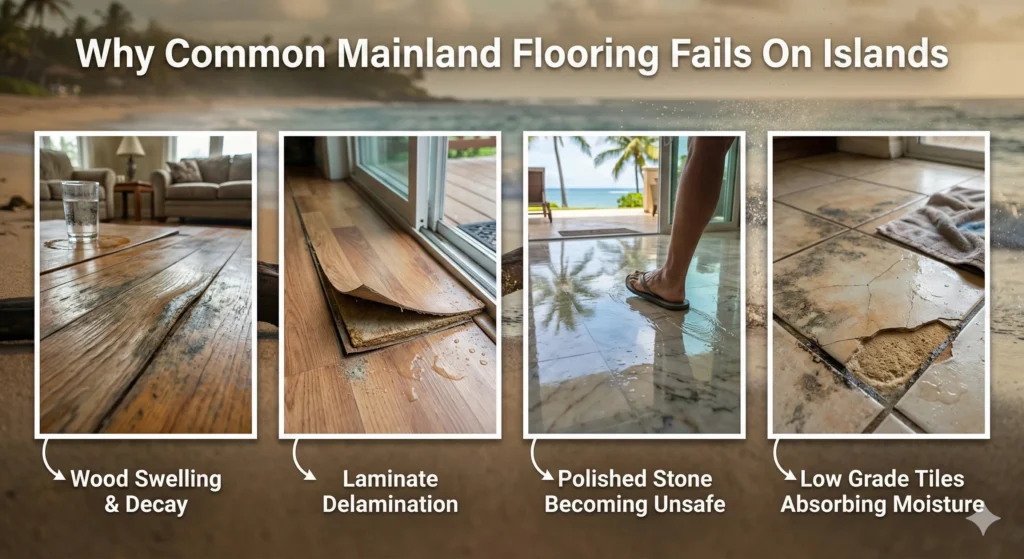
Wood swelling and decay: Natural wood absorbs moisture in humid island climates, leading to swelling, cracking, and long term decay.
Laminate delamination: Laminate flooring can separate into layers when exposed to humidity and water, reducing both durability and appearance.
Polished stone becoming unsafe: Highly polished stone surfaces become slippery when wet, increasing the risk of slips in island homes.
Low grade tiles absorbing moisture: Tiles with high water absorption can stain, weaken, or deteriorate over time in coastal conditions.
SECTION 2: Flooring Materials Traditionally Used in Island Architecture
Materials Historically Seen In Island Regions
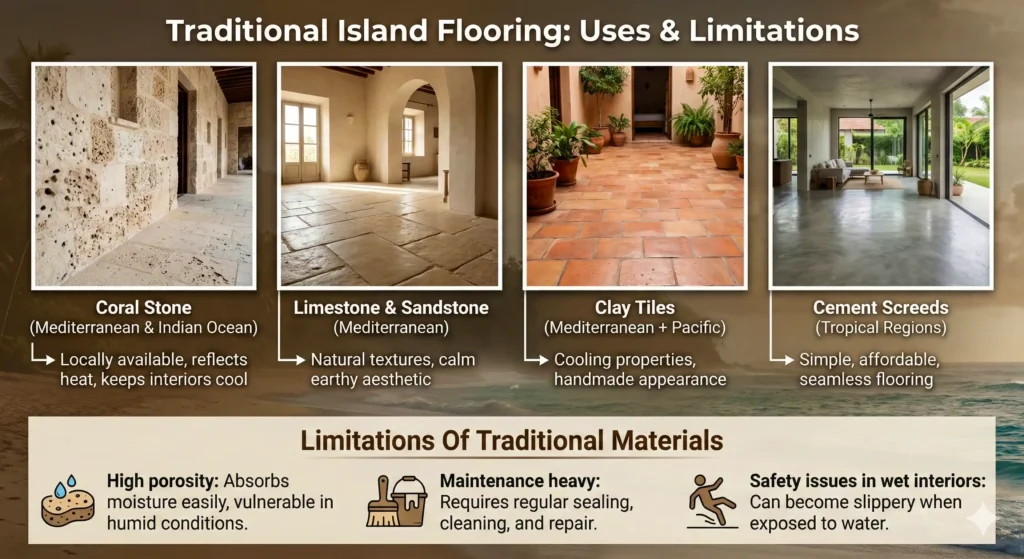
Coral stone (Mediterranean & Indian Ocean islands): Coral stone has been widely used in island architecture because it was locally available and easy to shape. Its light colour helped reflect heat, keeping interiors cooler in warm island climates.
Limestone and sandstone (Mediterranean islands): These stones were commonly used for flooring and structural elements. Their natural textures suited coastal architecture and created a calm, earthy interior aesthetic.
Clay tiles (Mediterranean + Pacific influence): Clay tiles became popular for their cooling properties and handmade appearance. They were often used in living areas and courtyards, especially in warm island regions.
Cement screeds (tropical regions): Cement screeds were used for their simplicity and affordability. They allowed seamless flooring across interiors and worked well in homes designed for open, breathable spaces.
Limitations Of Traditional Materials
High porosity: Many traditional island flooring materials absorb moisture easily, making them vulnerable in humid and coastal environments.
Maintenance heavy: Natural stone, clay, and cement surfaces require regular sealing, cleaning, and repair to maintain appearance and performance.
Safety issues in wet interiors: Smooth or worn surfaces can become slippery when exposed to water, increasing safety risks in everyday island living.
Why Modern Porcelain Tiles Now Replace Them
Lower water absorption: Porcelain tiles are manufactured with very low water absorption, making them suitable for humid island climates.
Consistent performance: Unlike natural materials, porcelain tiles offer uniform strength, stability, and finish across every space.
Better slip resistance: Modern tile surfaces are designed with textures that improve grip, especially important for wet island interiors.
Design flexibility: Porcelain tiles can replicate natural stone, clay, and cement looks while delivering better durability and safety.
SECTION 3: Best Tiles for Island Homes (What Actually Works)
What Makes A Tile Suitable For Island Interiors
Island interiors demand tiles that can handle moisture, salt, and daily wet foot traffic. Low water absorption is essential to prevent damage in humid conditions, while salt resistance helps flooring maintain strength over time. Slip resistance improves safety on frequently wet floors, and dimensional stability ensures tiles do not expand or deform. Easy cleaning is also important, as sand and salt are part of everyday island living.
Why Porcelain Tiles Outperform Alternatives
Porcelain tiles perform well in island homes because of their dense, low porosity structure. They remain stable in humid and coastal climates and support seamless indoor outdoor flooring. With strong resistance to moisture and wear, porcelain tiles offer a long lasting and practical solution for island interiors.
SECTION 4: Flooring Ideas for Small Islands (Space, Light & Simplicity)
Challenges In Small Island Homes
Small island homes often have compact layouts that require careful design choices. Limited natural light can make interiors feel enclosed, while frequent movement between outdoor and indoor spaces increases moisture and wear on floors. These conditions make flooring selection especially important in smaller island homes.
Flooring Strategies That Work
In small island interiors, lighter flooring helps reflect natural light and visually open up the space. Larger tile formats reduce visual breaks, creating a more continuous and spacious look. Matte or softly textured finishes improve safety on wet floors, while minimal grout lines help maintain a clean, uncluttered appearance.
Tile Styles That Suit Small Islands
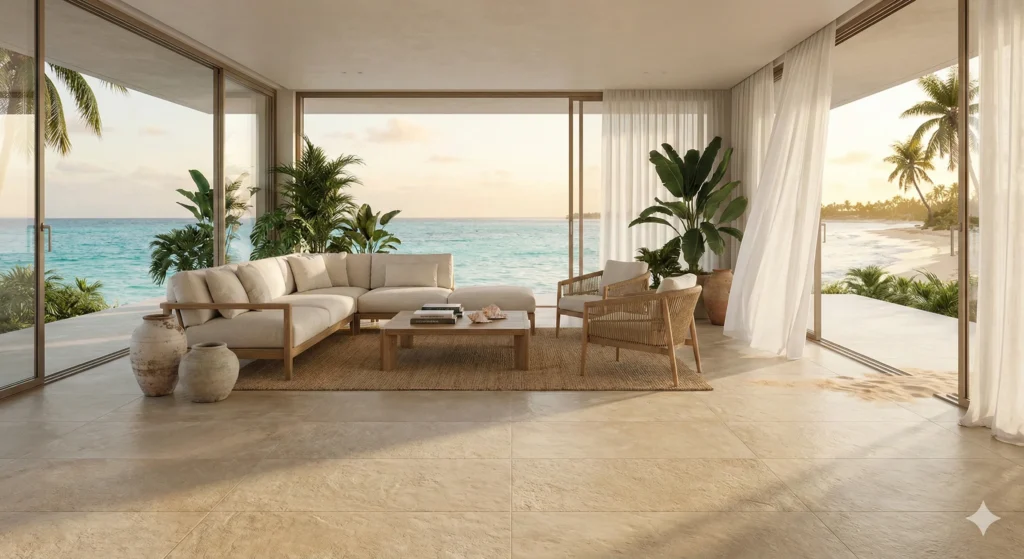
Tile styles inspired by natural materials work well in small island homes. Natural stone look tiles and soft, sand toned colours create a calm and airy feel. Using the same flooring across connected spaces also supports seamless indoor continuity, making interiors feel larger and more cohesive.
SECTION 5: Flooring Styles for Large Islands & Luxury Island Homes
Large Island Homes
Large island homes offer greater design freedom. Spacious layouts make it possible to define different areas through flooring while still maintaining visual harmony. There is more room for material variation, and flooring can become a subtle statement that supports luxury without overwhelming the space.
Flooring Ideas For Large Islands
Large island interiors suit stone look porcelain slabs that create a refined, expansive feel. Textured tiles work well in transition zones between indoor and outdoor areas, improving both safety and comfort. Warm neutral colour palettes help balance natural light, while consistent tile alignment across interiors and outdoor spaces strengthens visual continuity.
Why Large Islands Favor Tiles Over Stone
Tiles are often preferred over natural stone in large island homes because they offer better control over slip resistance, especially in wet areas. They provide a consistent finish across multiple spaces and require less ongoing maintenance, making them practical for luxury island living.
SECTION 6: Regional Island Flooring Inspirations (Climate Led, Not Trend Led)
Mediterranean Island Flooring Tiles
Mediterranean island interiors are shaped by strong sunlight and dry coastal air. Flooring here often reflects earthy tones inspired by the landscape, with limestone and travertine looks creating a relaxed, timeless feel. Matte finishes work best in sun washed interiors, helping reduce glare while maintaining a natural appearance.
Indian Ocean Island Flooring Design
Island homes in the Indian Ocean region experience high humidity and warm temperatures throughout the year. Flooring designs typically rely on calm, neutral palettes that keep interiors visually cool. Sand inspired porcelain tiles are widely used because they handle moisture well while blending naturally with coastal surroundings.
Pacific Island Home Flooring
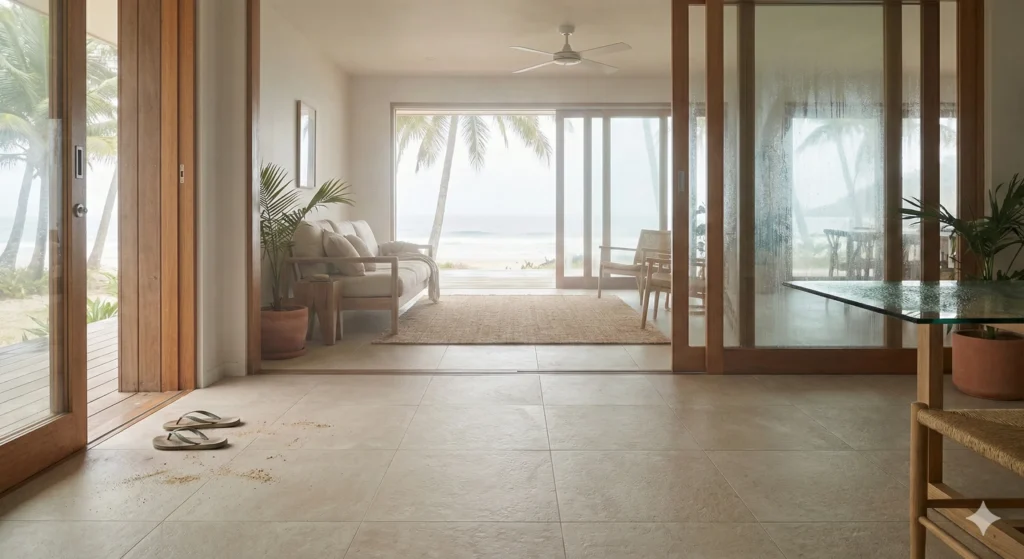
Pacific island homes are closely connected to outdoor living. Flooring needs to support smooth indoor outdoor movement while remaining safe for barefoot use. Textured tile surfaces help improve grip, and slip resistant finishes make everyday living more comfortable in wet and humid conditions.
Tropical Island Flooring Tiles
Tropical island interiors require flooring that remains stable and comfortable in heat. Heat resistant surfaces prevent distortion over time, while low gloss finishes reduce glare and enhance visual softness. Well designed tiles also stay pleasant underfoot, supporting relaxed island living.
SECTION 7: Safety First – Slip & Salt Resistance in Island Homes
Why Safety Matters More On Islands
In island homes, wet floors are part of everyday life due to humidity, beach access, and frequent indoor outdoor movement. Barefoot living is common, and transitions between exterior and interior spaces happen many times a day. These conditions make flooring safety more important than in typical mainland homes.
What To Look For
Slip resistant tiles are essential for island homes, especially in living areas that connect to outdoors. Surfaces with light texture provide better grip than polished finishes when wet. Performance rated tile finishes help ensure consistent safety without compromising interior design.
Salt Resistance Explained Simply
Salt in coastal air and water slowly breaks down low grade flooring materials, leading to surface damage and staining. Dense tiles resist salt penetration, helping floors maintain strength and appearance over time in island environments.
SECTION 8: Flooring Trends, Timeless Colours, and Practical Choices for Modern Island Homes
What Flooring Is Popular Right Now and What Trends Will Shape 2026?
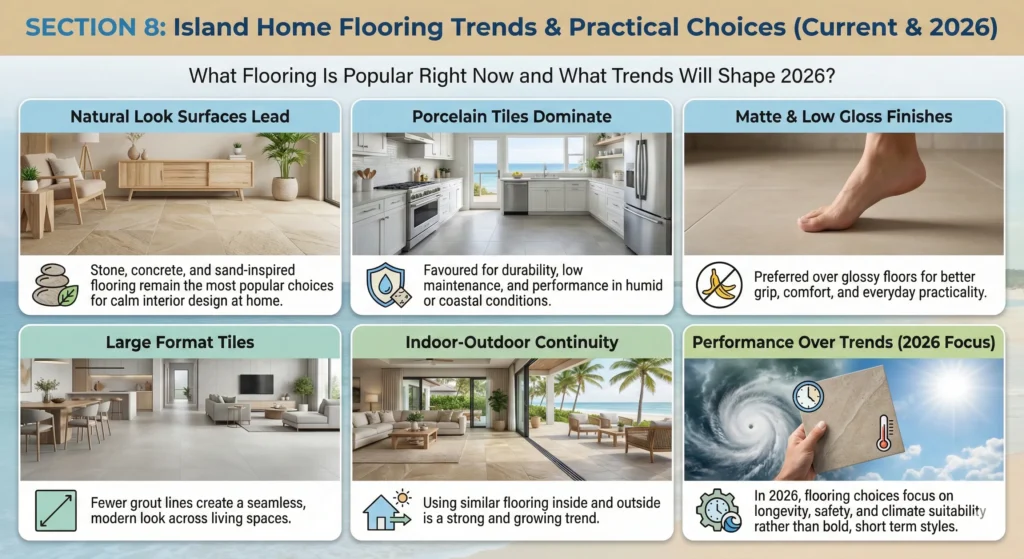
Natural look surfaces lead: Stone, concrete, and sand inspired flooring remain the most popular choices for calm interior design at home.
Porcelain tiles dominate: Favoured for durability, low maintenance, and performance in humid or coastal conditions.
Matte and low gloss finishes: Preferred over glossy floors for better grip, comfort, and everyday practicality.
Large format tiles: Fewer grout lines create a seamless, modern look across living spaces.
Indoor outdoor continuity: Using similar flooring inside and outside is a strong and growing trend.
Performance over trends: In 2026, flooring choices focus on longevity, safety, and climate suitability rather than bold, short term styles.
-
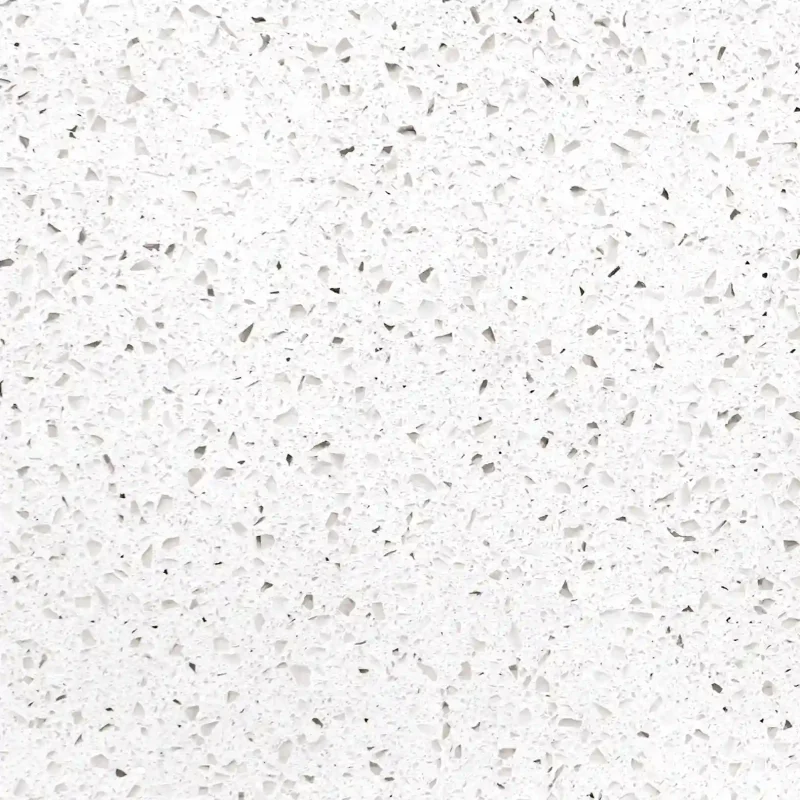 Terrazzo White Tiles
 -
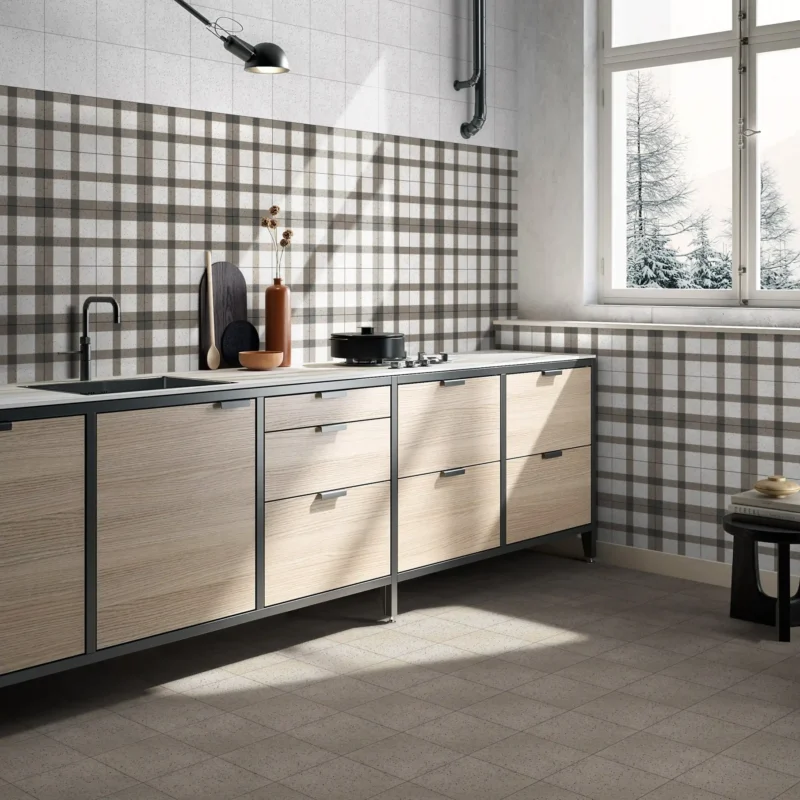 Terrazzo Brown Tiles
 -
 TURKISH MOROCCAN Tiles
 -
 Venetian Brown Tiles
 -
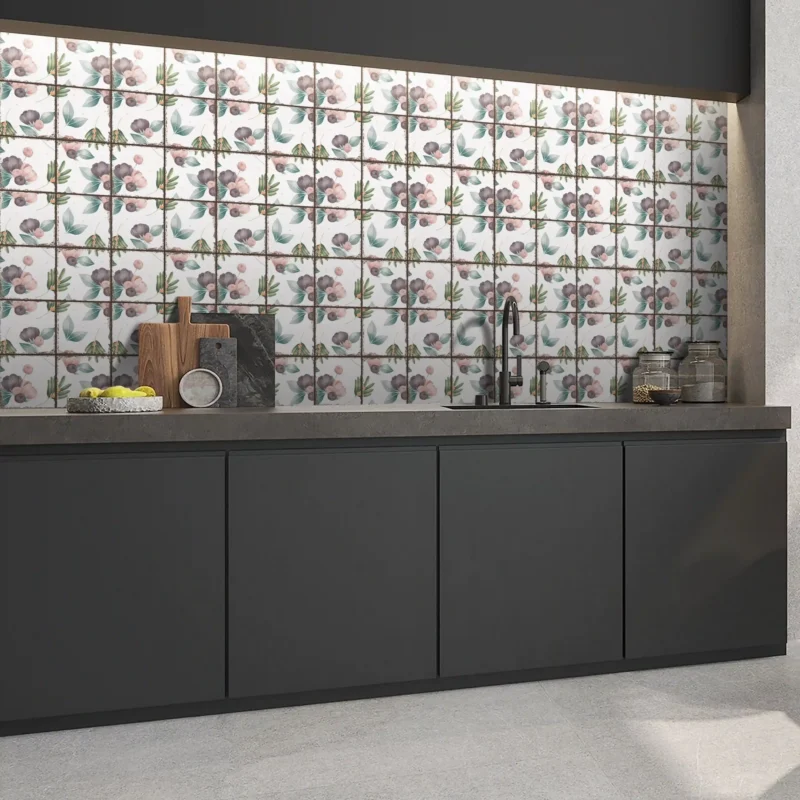 WINDY WHITE Tiles – Floral Pattern
 -
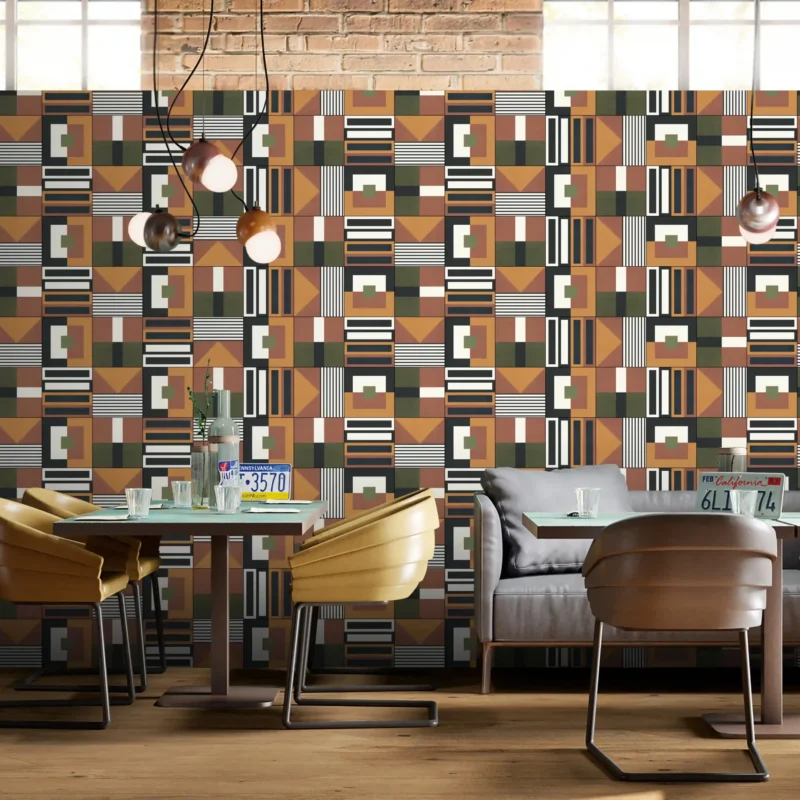 MULTICOLOUR RETRO Artistic Tiles
 -
 Stripes Tiles Diagonal Pattern
 -
 Rustic Brown Tiles
 -
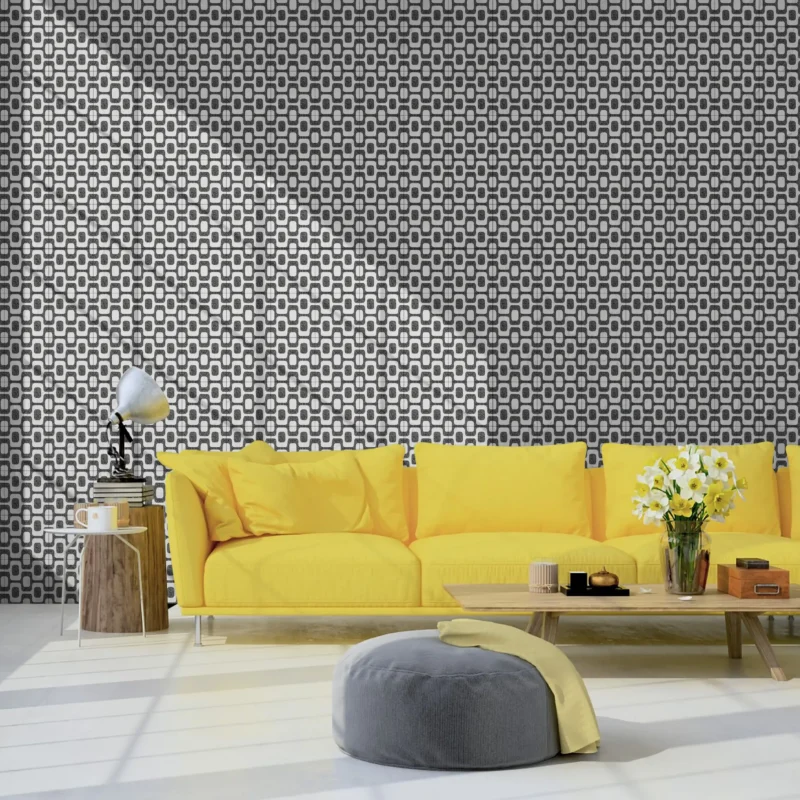 Mosaic Black & White Tiles
 -
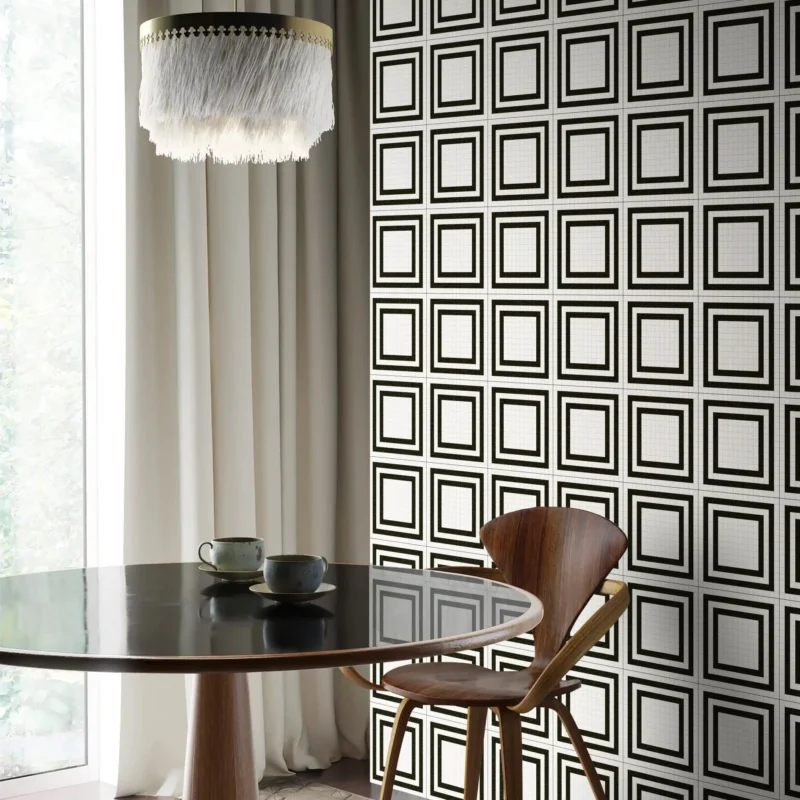 Cubes Black & White Tiles
 -
 Fabric Sentosa Tiles
 -
 FLORAL Tiles – Flower Pattern
 -
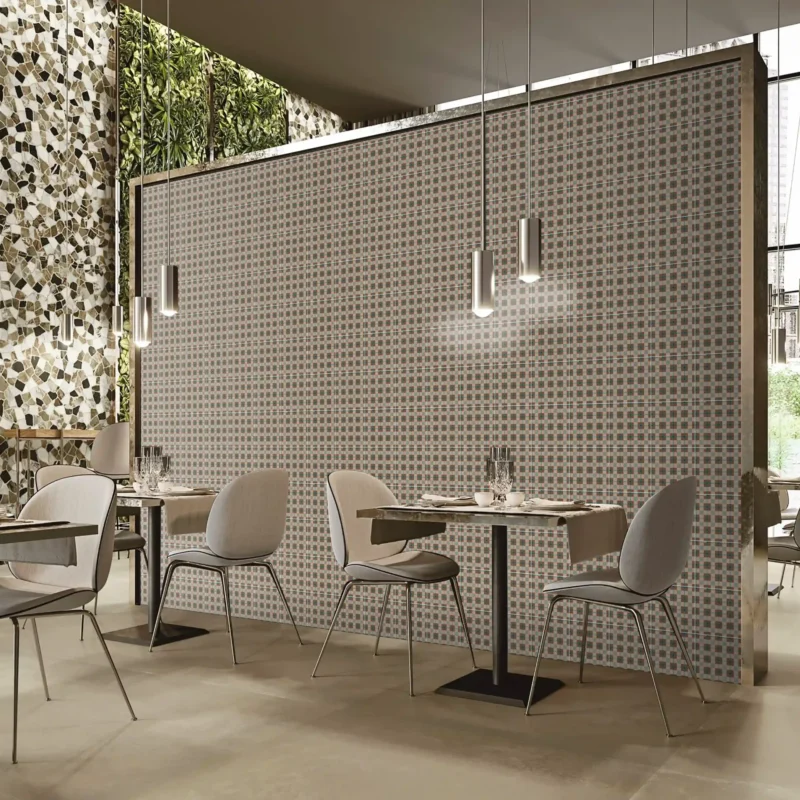 Caribbean Cubes Green Tiles
 -
 Caribbean Cubes Blue New Tiles
 -
 Bali Stone Look Grey Tiles
 -
 Lava Sandbank – Biege color Tiles
 -
 Lava Orange Tiles
 -
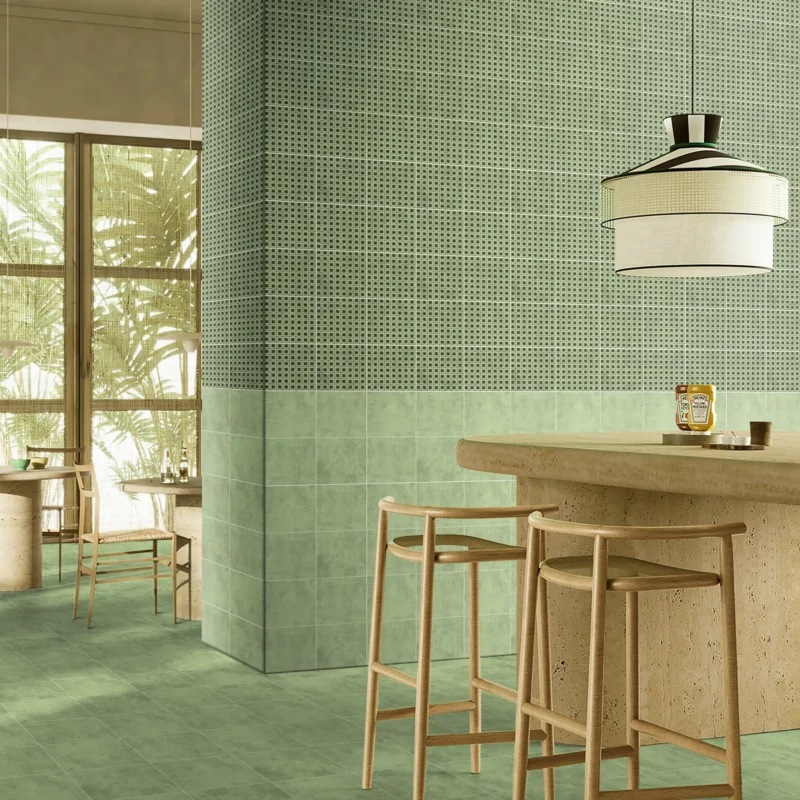 Lava Green – Lime color Tiles
Timeless Flooring Colours That Never Go Out of Style
Neutral flooring colours like soft beige, warm grey, sandy tones, and natural stone shades remain timeless because they adapt easily to changing interior styles and work well in both modern and traditional homes.
Best Flooring Materials for Kitchen Islands That Last
Kitchen island areas need flooring that handles spills, heat, and constant movement. Durable, low maintenance materials like porcelain tiles perform best because they resist moisture, stains, and wear while supporting clean, cohesive kitchen design.
SECTION 9: Why Tile Choice Matters More Than Trends on Islands
Island climates remain constant, even as design trends change. Flooring that looks appealing today may struggle tomorrow if it is not suited to heat, humidity, and salt exposure. This makes performance more important than short lived visual trends.
Replacing flooring on islands is often more complex and costly due to location, logistics, and limited access to materials. Poor flooring choices can lead to frequent repairs or early replacement, adding long term inconvenience.
Well chosen tile flooring should age quietly over time. It should support daily life without demanding attention, allowing island homes to feel comfortable, stable, and timeless rather than trend driven.
SECTION 10: How Ramirro Ceramica Supports Island Flooring Decisions
Ramirro Ceramica approaches island flooring by first understanding climate conditions rather than focusing on trends. Factors such as humidity, salt exposure, heat, and indoor outdoor use are considered before any tile recommendation is made.
The brand works closely with homeowners, architects, and developers to support performance led flooring decisions. This helps ensure that island homes are designed with materials suited to real living conditions, not just visual appeal.
Ramirro Ceramica’s collections are developed to suit humid island climates, coastal interiors, and tropical living environments. These tile ranges are designed to perform reliably while maintaining a calm, natural aesthetic suited to island homes.
Tiles from Ramirro Ceramica are available both online and offline, making access easier for island projects. Beyond aesthetics, the focus remains on suitability, durability, and long term value so flooring decisions feel confident and lasting.
Ramirro Ceramica: Flooring That Belongs to the Island, Not Just the House
Island homes deserve flooring that respects nature and fits effortlessly into everyday life. Whether you’re refining a beach house, updating a bedroom, or shaping kitchen island design that flows seamlessly into living spaces, the right flooring adds a quiet decor touch rather than demanding attention. From sandy tones that reflect natural beauty to low maintenance surfaces suited for high-traffic areas, thoughtful flooring options support both kitchen design and relaxed interiors without compromising on performance.
Ramirro Ceramica’s collection balances modern touches with practical needs offering finishes that range from subtle matte to carefully considered glossy looks that work alongside countertops and furnishings. If you’re looking for flooring that feels right for island living, you can explore and find the perfect flooring solution both online and offline. For guidance tailored to your space, climate, and lifestyle, you’re always welcome to contact Ramirro Ceramica and take the next step with confidence.
Shop Now | Chat With Expert | View Catalogue

Here’s what you get out of our article. Our team have various Ceramic Experts with experience of more than 25 Years, researches on problems our customer faces in tiling industry.
Ramirro Ceramica, – One of The Leading Tiles Manufacturer and Supplier globally, helps you people gain knowledgeable insight before making your purchase decision for products related to the floor and wall tiles.
So, we have closely monitored all kinds of trends in the ceramic tiles manufacturing world, from the old days of clay and plain color to modern digital, realistic-looking designs printed on ceramics with high-depth effects.
Our tiling Experts have seen thousands of different tiles patterns, sizes, materials, pricing, and installation techniques throughout their career.
Their expertise shared with you in simplified and organised way, helps you choose and make better decision before purchasing any flooring option available in market.
Brief about Company:
Ramirro is one of the finest Tiles manufacturers in India manufacturing porcelain and ceramic tiles. Our products have a variety of sizes and types of tiles ranging from Ceramics, porcelain, Full body etc. This helps you choose the perfect fit for your project. Plus, our collection will help you get inspiration from the architect’s design.
Here’s some more helpful links that showcase our users trust on Ramirro Ceramica Brand:
– Growth in International Market
– Trusted and Licensed Exporter
– Manufacturing Plant in India
Here’s our social proof by LinkedIn competing with top known global tiling brands: