
Ceramic tiles may begin as shaped clay, but it is the glaze that ultimately defines how they look, feel, and perform in real spaces. From glossy reflections to soft matte textures and stone like surface effects, different types of ceramic glazes play a crucial role in creating the final finish seen in modern tiles and ceramics. During the firing process, glaze transforms into a protective glass like layer that enhances durability, colour depth, and surface performance. Understanding these glazing effects helps architects, designers, and homeowners make more informed material choices. At Ramirro Ceramica, an India based ceramic tile manufacturer known for combining design innovation with advanced tile engineering, glazing technology is carefully developed to deliver finishes that balance aesthetics, functionality, and long term reliability in contemporary architectural spaces.

Why Glaze Is the Real Designer of a Tile
A ceramic tile may begin as a simple piece of shaped clay, but it is the glaze that truly defines its personality. The same tile body can appear glossy and reflective, soft and matte, textured like natural stone, or rich with layered depth, all depending on the type of glaze applied. A ceramic glaze is a carefully formulated mineral coating that melts during kiln firing and forms a thin, glass like layer on the surface of the tile.
This transformation is not just decorative; it is functional. The glaze controls colour intensity, light reflection, texture, stain resistance, and even durability. In modern architecture, where surface finish influences both design appeal and performance expectations, glaze technology plays a critical role. Understanding different types of ceramic glazes helps buyers see beyond appearance and recognise why tiles look, feel, and perform differently in real world spaces.
What Actually Happens When a Ceramic Glaze Is Fired?

A ceramic glaze does not look like its final finish before firing. In its raw form, it appears as a dry powder or liquid coating made from natural minerals. It may seem dull or dusty when applied to a tile. The real transformation happens inside the kiln, where high temperatures convert this mineral mixture into a smooth, glass like surface.
As the temperature rises, the glaze begins to melt and flow across the tile. Different minerals react at different heat levels, combining to form a fused layer that bonds with the tile body. The firing temperature, the composition of the glaze, and the material of the tile itself all influence how the surface develops during this stage.
Cooling is just as important as heating. Slow cooling can encourage crystal formation, while faster cooling can create a more uniform finish. The finishing effect of a ceramic tile is not applied on the surface, it is created inside the kiln through carefully controlled heat, mineral interaction, and cooling conditions.
How Glaze Chemistry Creates Different Visual Effects
The appearance of a ceramic tile is not random. It is controlled by the chemistry inside the glaze. Each ingredient in a glaze formula has a specific function. When these components melt and react during firing, they determine whether the final surface becomes glossy, matte, transparent, opaque, smooth, or textured.
Below is a simple explanation of the main glaze components and their roles:
| Component | Role in Glaze | How It Affects the Final Finish |
|---|---|---|
| Silica (SiO₂) | Main glass former | Creates the transparent, glass like surface layer. Higher silica usually increases gloss and hardness. |
| Alumina (Al₂O₃) | Stabilizer and flow controller | Controls how much the glaze melts and spreads. Higher alumina reduces excessive flow and can create softer or matte finishes. |
| Fluxes (such as sodium, potassium, calcium) | Melting agents | Lower the melting temperature of silica. They help the glaze melt properly and influence surface smoothness and gloss level. |
| Color Oxides (iron, cobalt, copper, etc.) | Provide colour | Create different shades and tones depending on type and firing conditions. For example, iron can produce earthy tones, while cobalt creates deep blues. |
| Opacifiers (zircon, tin oxide) | Control transparency | Make the glaze opaque or milky instead of transparent. They help achieve solid colours and consistent surface coverage. |
In simple terms, glaze chemistry works like a recipe. Changing even one ingredient or its proportion can completely alter the visual and surface effect of a ceramic tile. That is why glaze formulation is one of the most important stages in modern tile manufacturing.

Surface Effects Achieved Through Modern Tile Glazing Technologies
Digital Glazing and Inkjet Layering Effects
Digital glazing uses inkjet technology to apply glaze and colour layers with controlled accuracy. Instead of uniform surface coverage, the glaze is deposited in fine, programmed patterns. This allows tiles to replicate realistic stone veins, wood grains, marble movements, and natural material textures.
Because the glaze application is digitally controlled, variation can be introduced intentionally, creating a more natural and less repetitive look. The result is high definition visuals combined with consistent quality across large production batches.
Double Loading and Structured Glaze Effects
Double loading and structured glazing techniques create physical depth within the tile surface. In this method, multiple layers of glaze or mineral compounds are applied to build texture before firing. When fired, these layers fuse and form subtle raised or recessed patterns.
This technology allows tiles to imitate natural materials such as stone, concrete, or textured finishes while maintaining the durability of ceramic. The added depth enhances light interaction and gives surfaces a more authentic feel.
Protective Functional Glazes
Modern glazing technology also focuses on performance, not just appearance. Protective functional glazes are engineered to improve scratch resistance, chemical resistance, and ease of cleaning. These glazes form a dense, durable surface that helps tiles withstand daily wear in residential and commercial environments.
The link between aesthetics and performance is important. A visually attractive tile must also maintain its finish over time. By combining decorative effects with protective properties, advanced glaze technologies ensure that beauty and durability work together rather than separately.
-
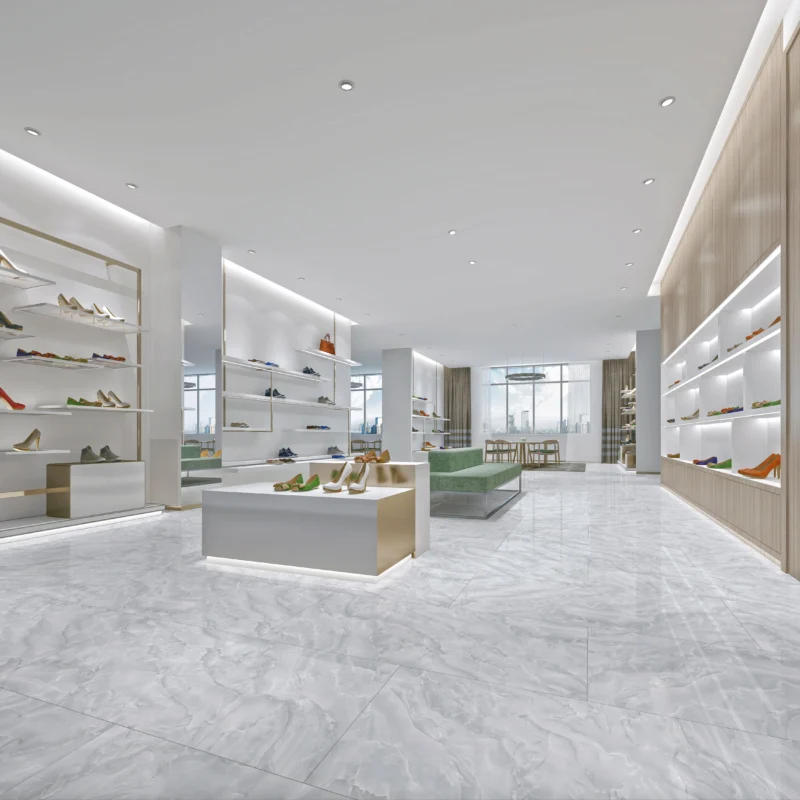 VENDOME GREY – Glossy Vitrified Tile | Marble Look
 -
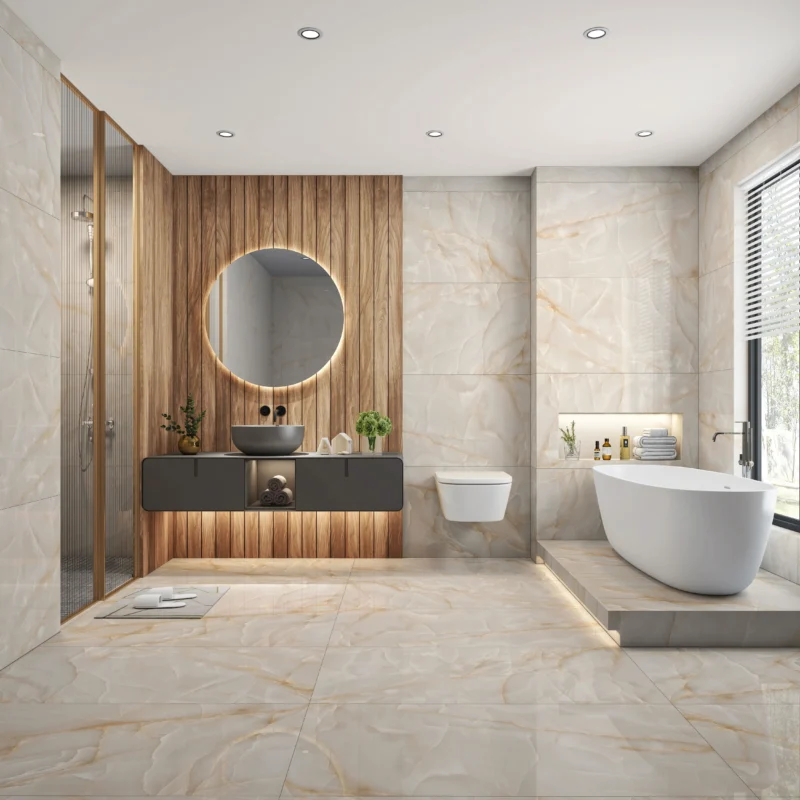 ALYON ONYX BEIGE – Glossy Vitrified Tile | Marble Look
 -
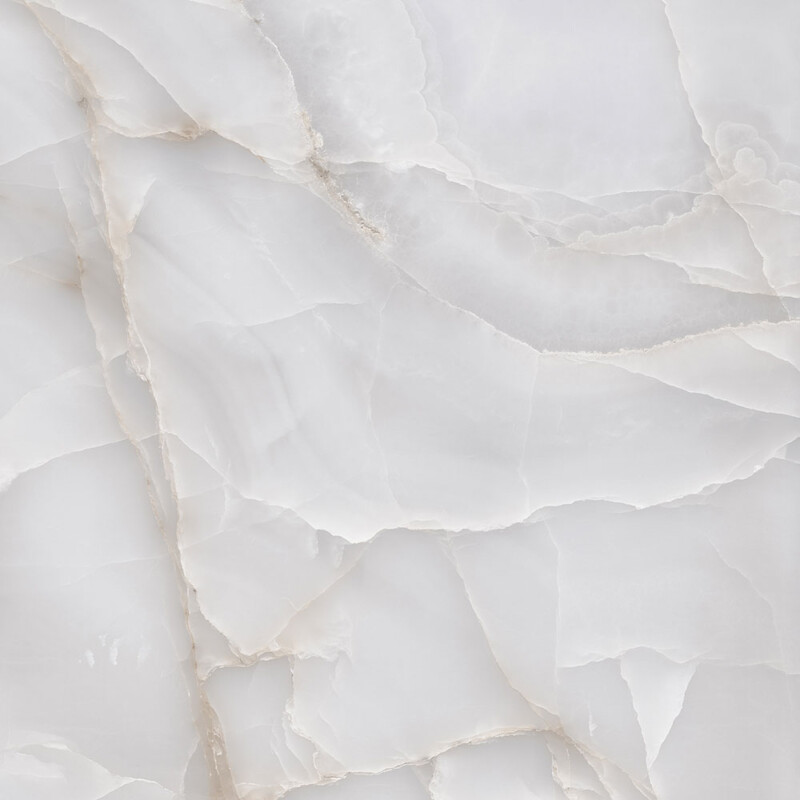 ALYON ONYX GREY – Glossy Vitrified Tile | Marble Look
 -
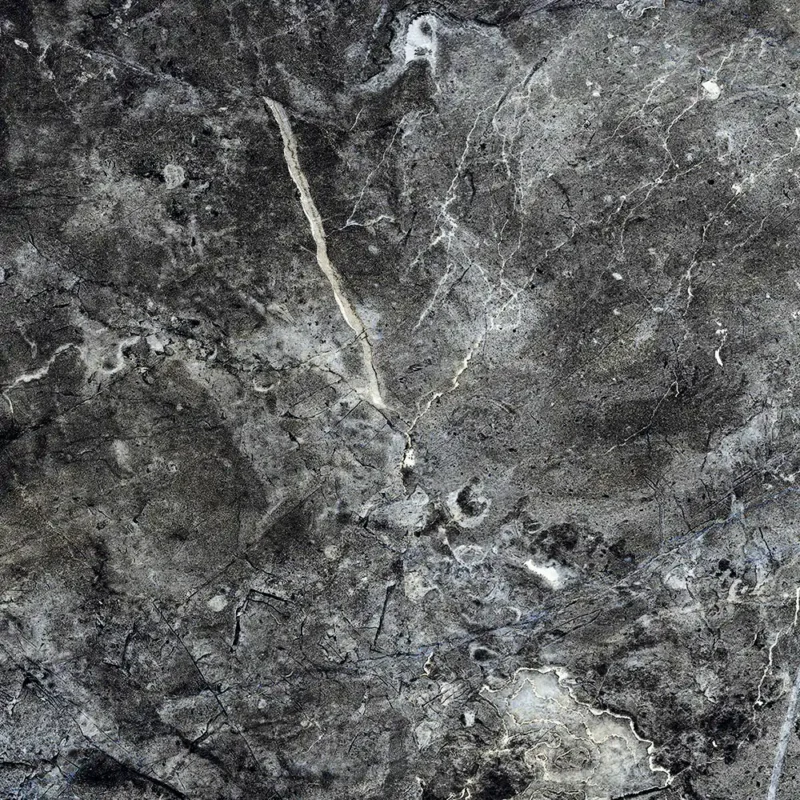 ANTIQUE GREY – Glossy Vitrified Tile | Stone Look
 -
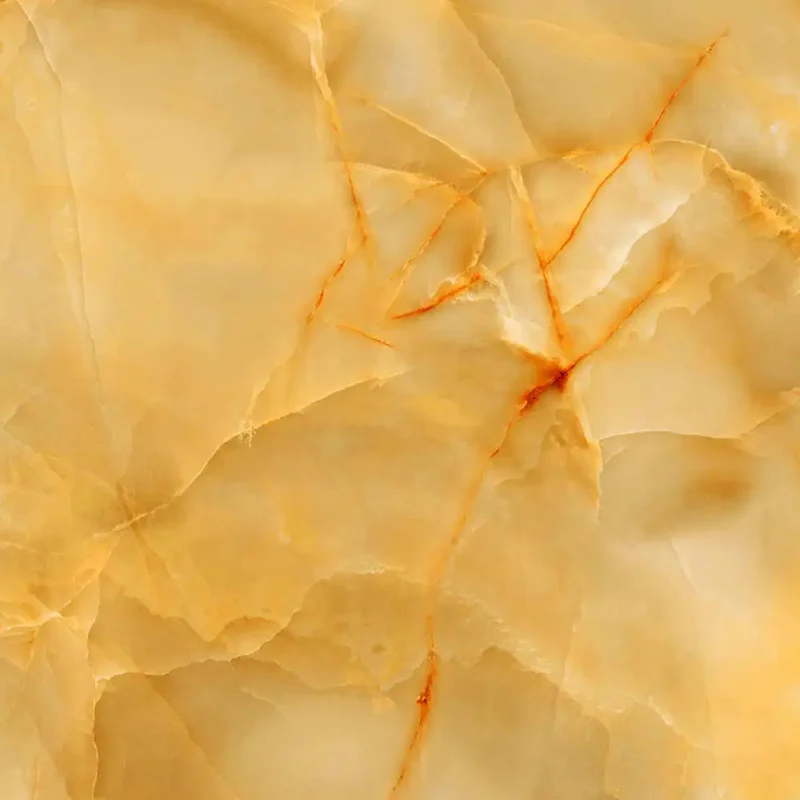 ARAVAIL BEIGE – Glossy Vitrified Tile | Marble Look
 -
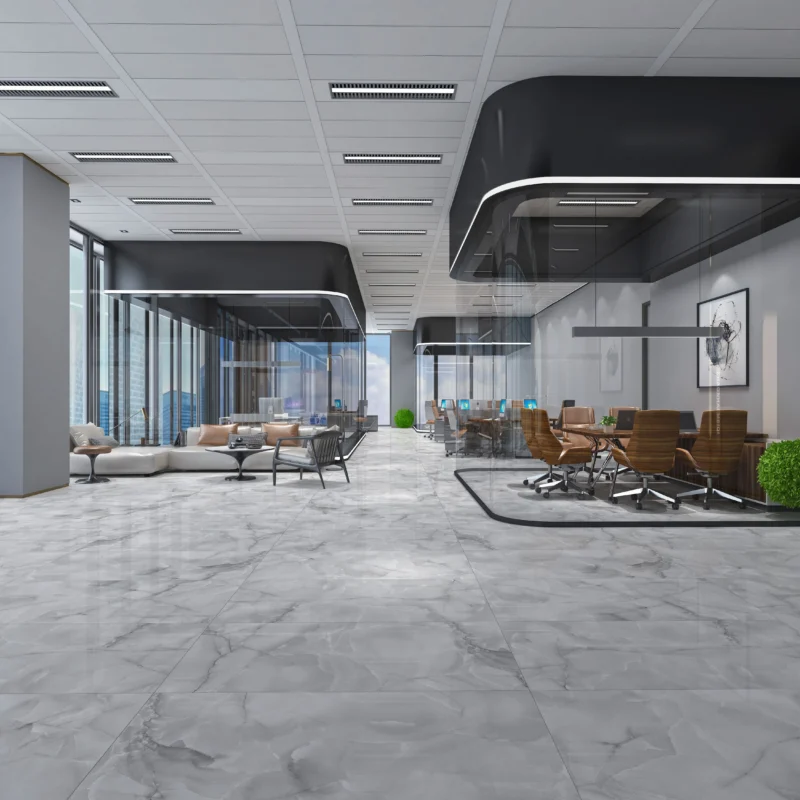 ARAVAIL GREY – Glossy Vitrified Tile | Marble Look
 -
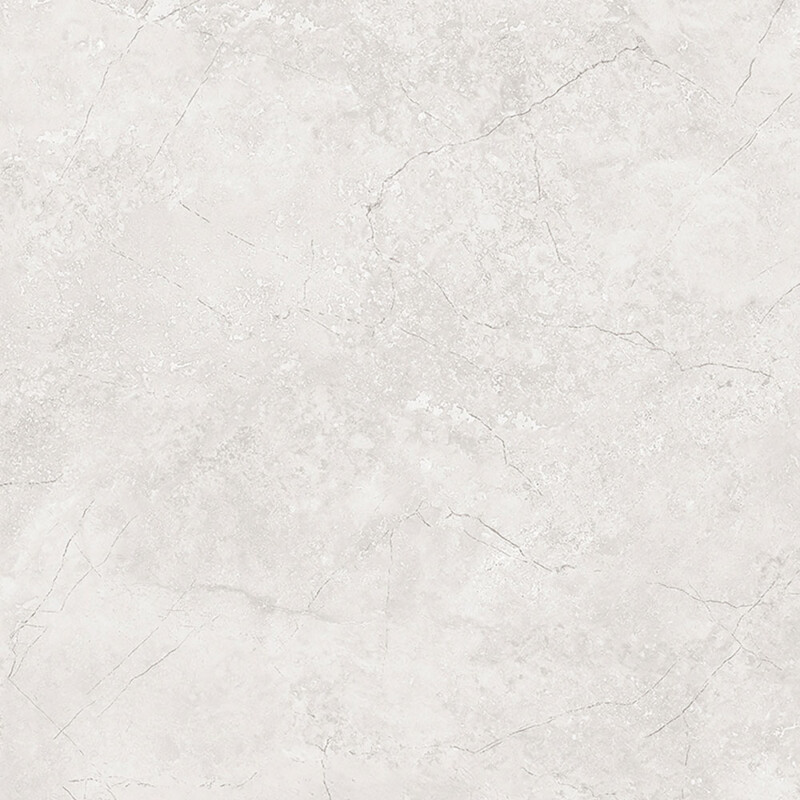 ASCON Bianco – Glossy Vitrified Tile | Stone Look
 -
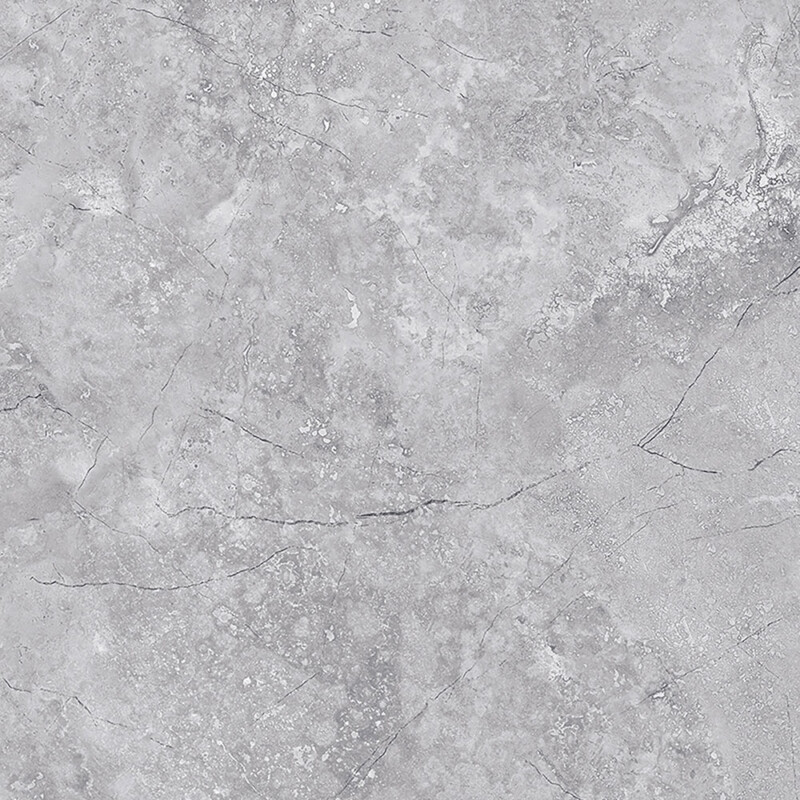 ASCON Grey – Glossy Vitrified Tile | Stone Look
 -
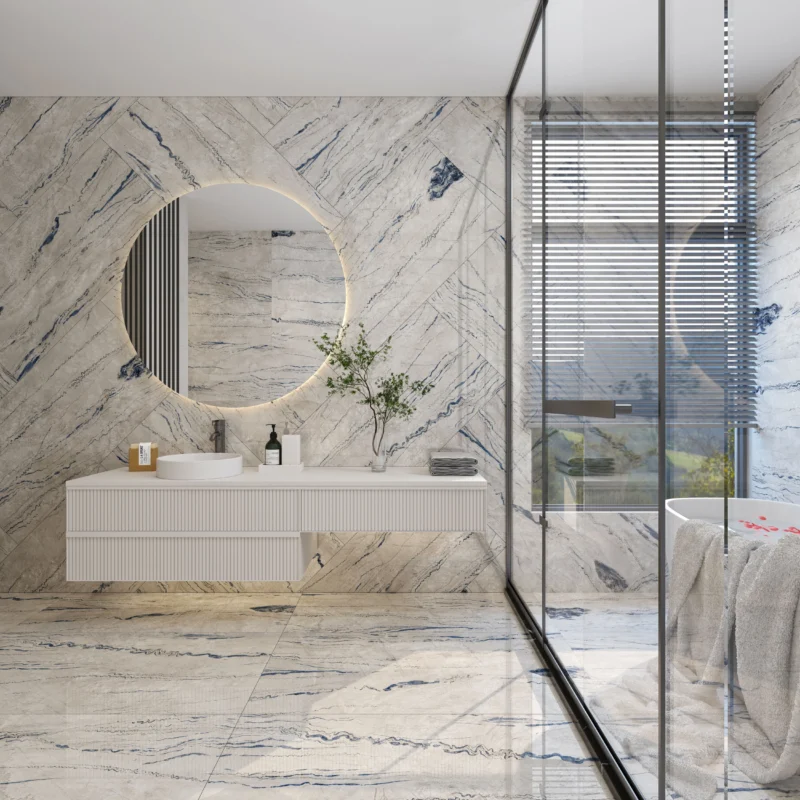 BIANCO NAPOLEON – Glossy Vitrified Tile | Marble Look
 -
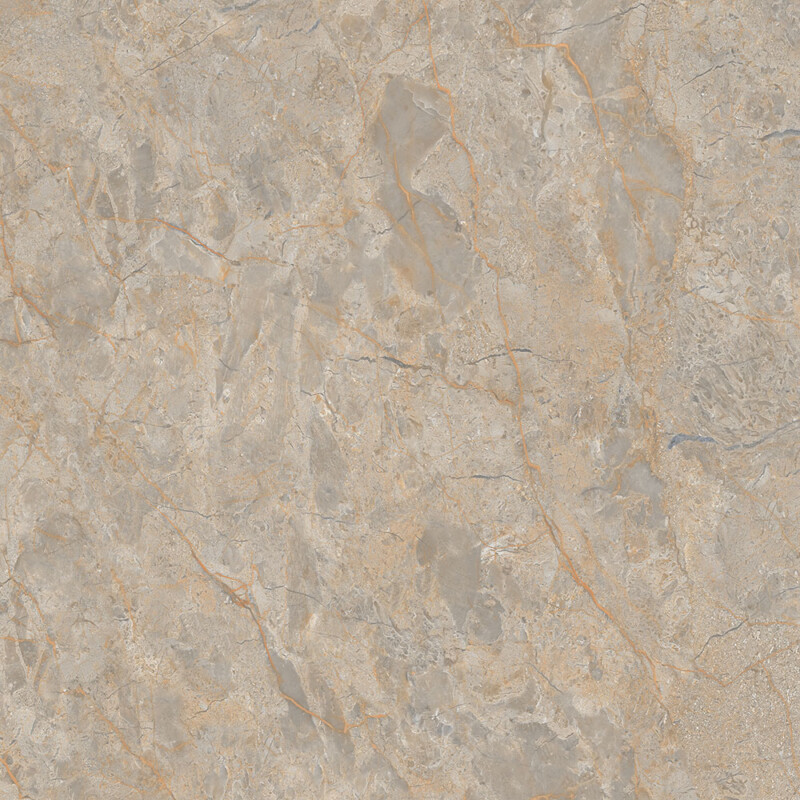 CLAN BEIGE – Glossy Vitrified Tile | Marble Look
 -
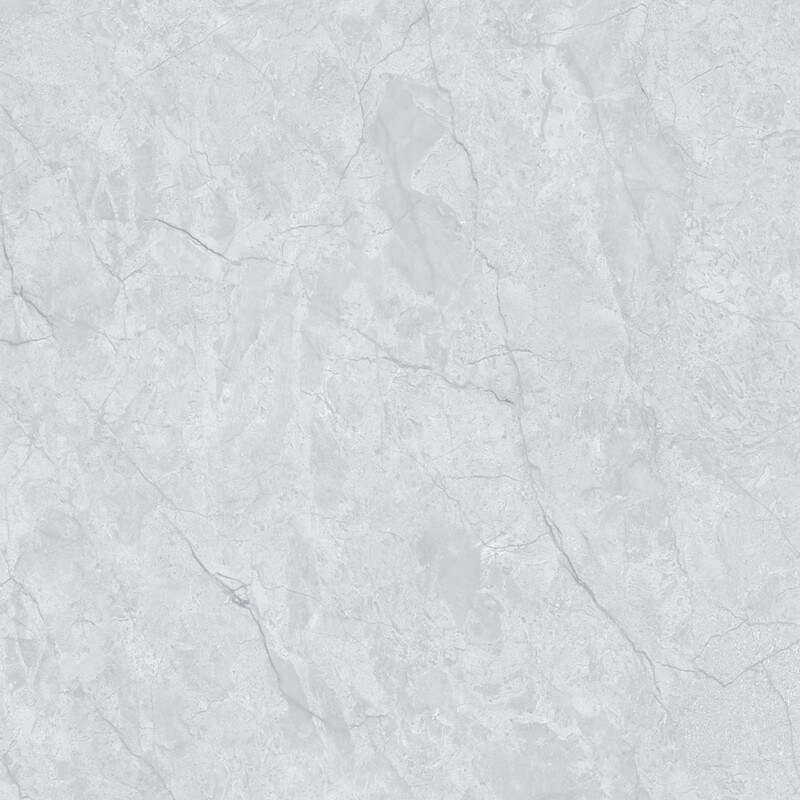 CLAN BIANCO – Glossy Vitrified Tile | Marble Look
 -
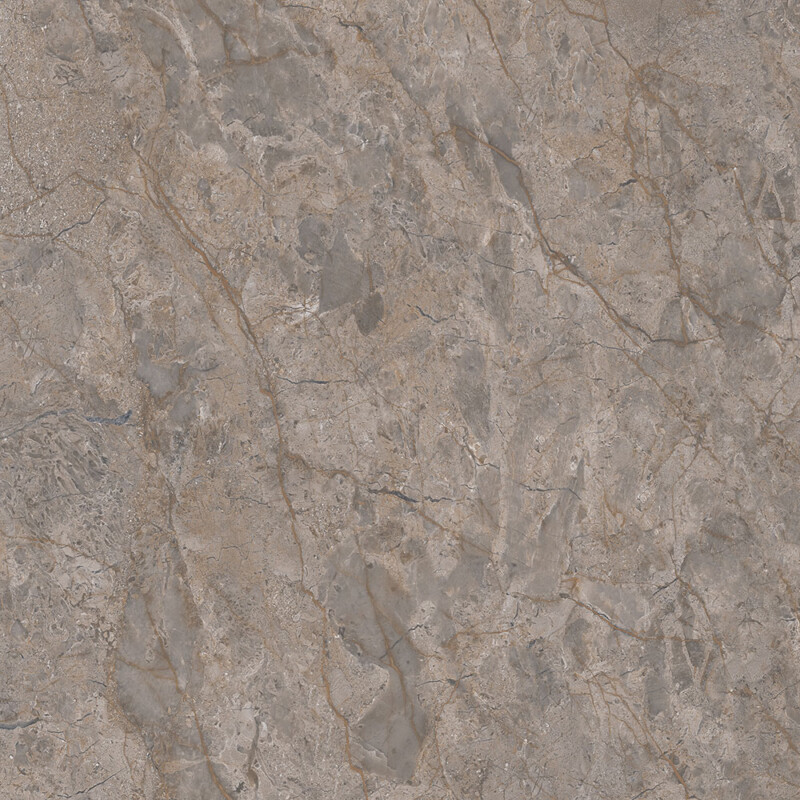 CLAN CHOCO – Glossy Vitrified Tile | Marble Look
 -
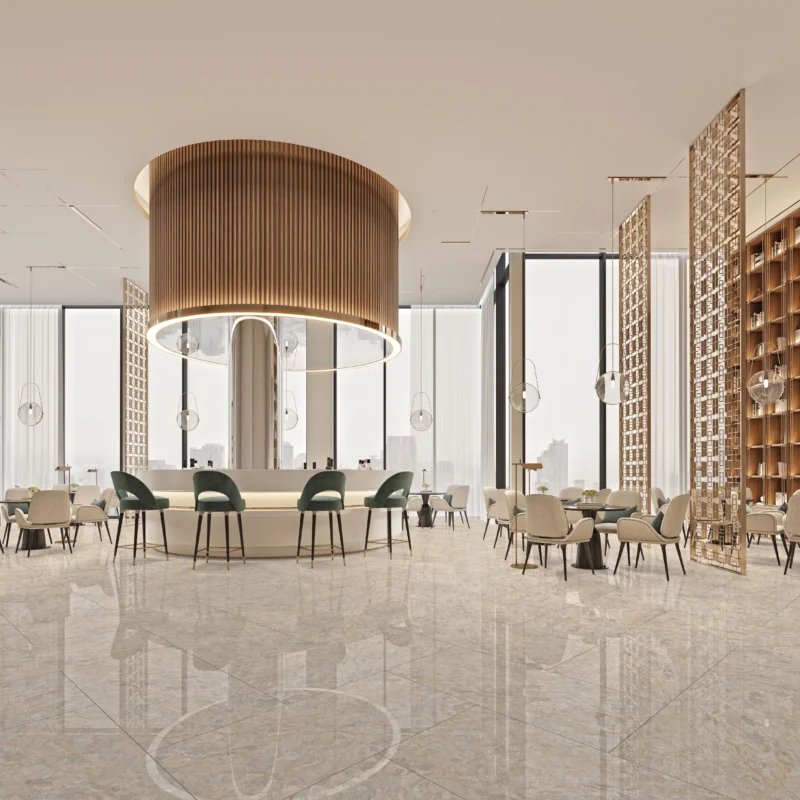 CLAN CREMA – Glossy Vitrified Tile | Marble Look
 -
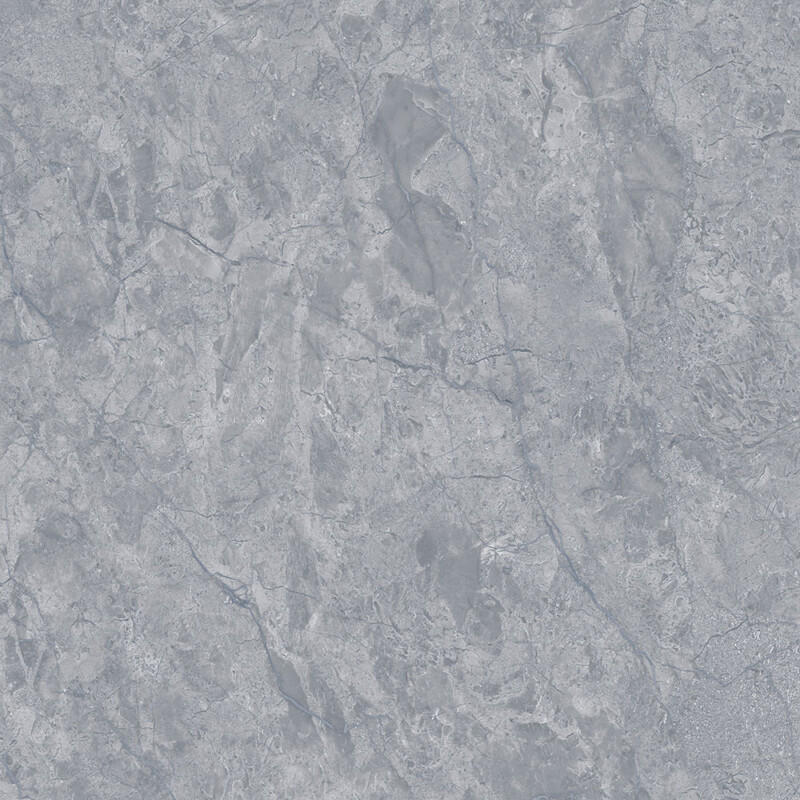 CLAN GREY – Glossy Vitrified Tile | Marble Look
 -
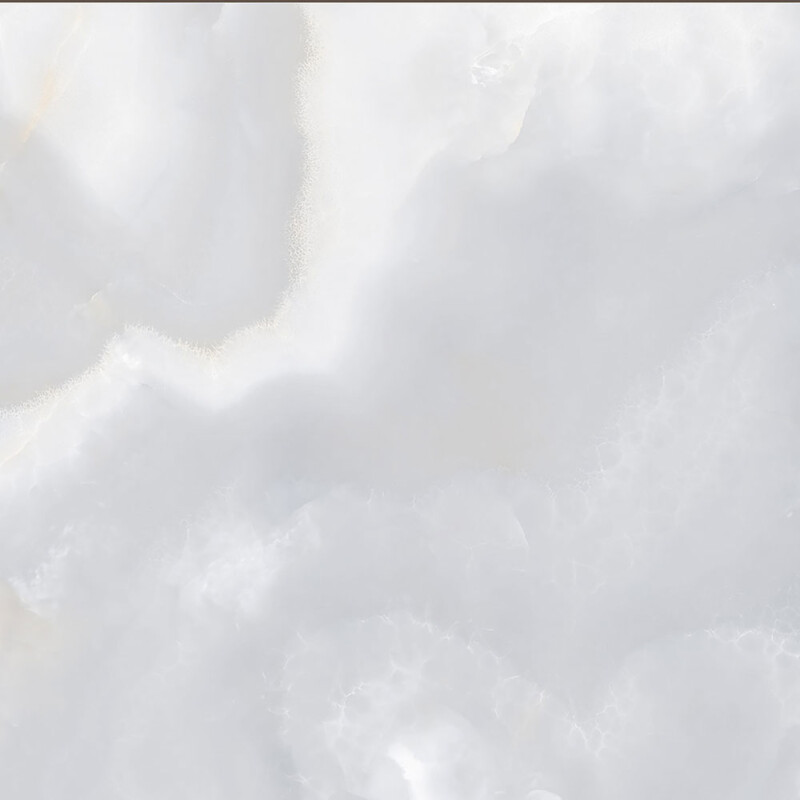 CLOUDY BIANCO – Glossy Vitrified Tile | Cloud Marble Look
 -
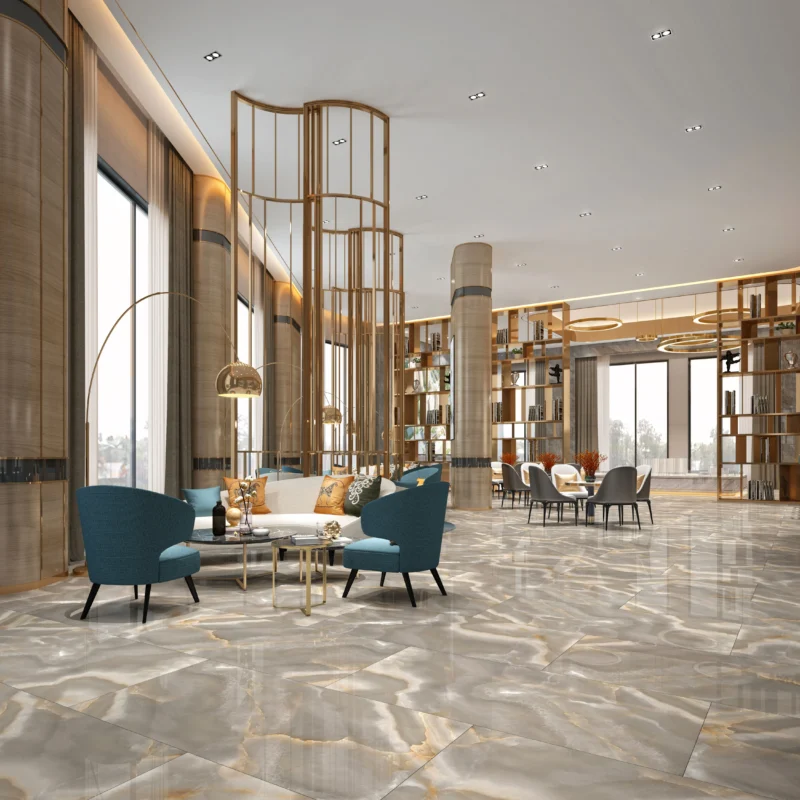 CLOUDY BROWN – Glossy Vitrified Tile | Cloud Marble Look
 -
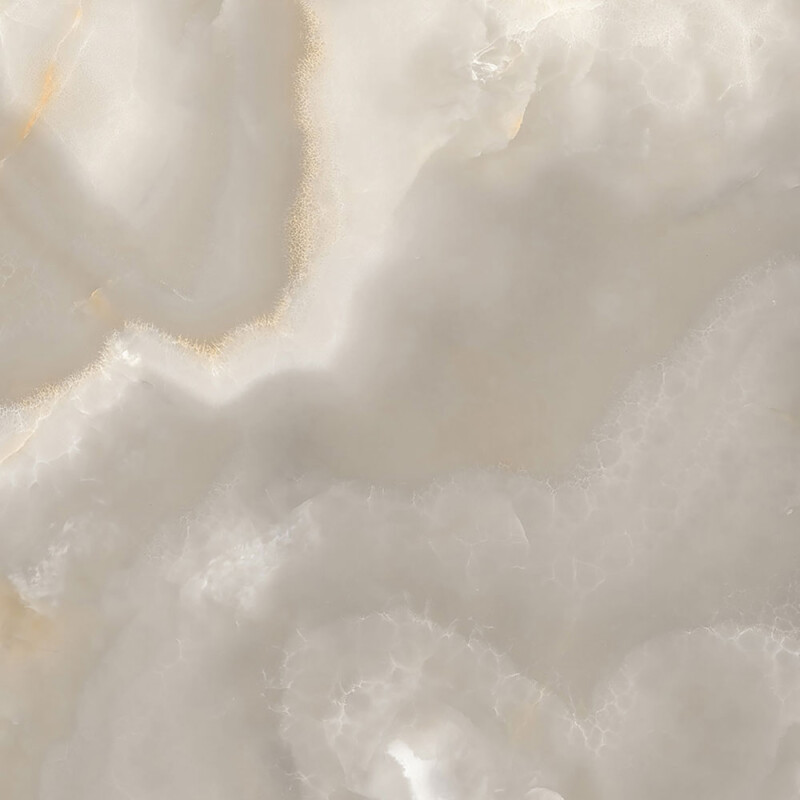 CLOUDY CREMA – Glossy Vitrified Tile | Cloud Marble Look
 -
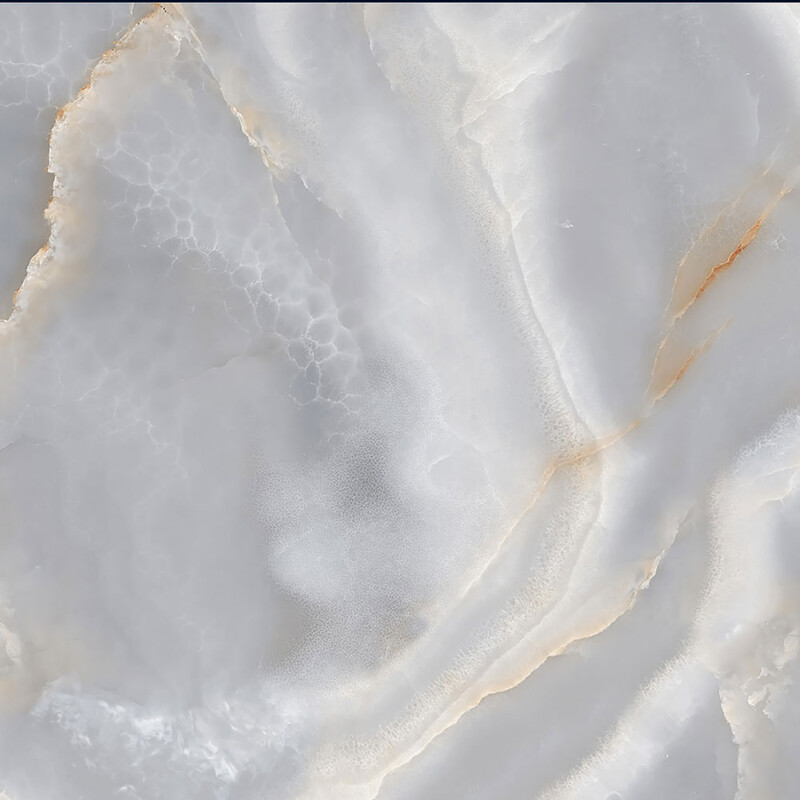 CLOUDY GREY – Glossy Vitrified Tile | Cloud Marble Look
Why the Same Glaze Looks Different on Different Tiles

Even when the same glaze formula is applied, the final appearance can vary because glaze behaviour depends on firing conditions inside the kiln. Factors such as firing temperature, kiln atmosphere, and tile body composition influence how the glaze melts and bonds with the surface. Small temperature differences or variations in mineral interaction can change colour intensity, gloss level, or texture.
The cooling cycle and glaze thickness also affect the outcome. Slow cooling may encourage crystal formation, while faster cooling creates smoother finishes. A thicker glaze layer can appear deeper in colour compared to a thinner application. A simple way to understand this is through baking: the same ingredients can produce different results depending on oven conditions, just as ceramic glazes respond differently to firing and cooling environments.
Choosing the Right Glaze Effect for Different Spaces
Selecting the right glaze effect is not only about appearance. Different spaces demand different levels of durability, safety, and maintenance. The type of ceramic glaze used directly influences how a tile performs in everyday conditions.
| Space | Recommended Glaze Effect | Why It Works |
|---|---|---|
| Living Room | Glossy or Crystal Developing Glaze | Enhances light reflection and depth, making spaces appear brighter and more spacious. Ideal for decorative and low moisture areas. |
| Bathroom | Matte or Anti Slip Glaze | Reduces glare and provides better grip under wet conditions. Safer for floors and moisture prone environments. |
| Kitchen | Dense Protective Glaze | Offers resistance to stains, chemicals, and frequent cleaning. Maintains surface quality despite daily use. |
| Commercial Spaces | High Durability Functional Glaze | Designed for heavy foot traffic with improved scratch resistance and long term surface performance. Ensures visual consistency and structural reliability. |
How Ramirro Ceramica Applies Advanced Glaze Engineering in Modern Tiles
Modern tile manufacturing requires a careful balance between visual appeal and long term performance. At Ramirro Ceramica, glaze engineering is approached as a combination of design understanding and manufacturing precision. The goal is not only to achieve attractive surface finishes but also to ensure that tiles maintain their quality under everyday usage conditions.
Controlled kiln firing plays an important role in achieving consistent glaze results. By maintaining stable firing temperatures and monitored cooling cycles, Ramirro Ceramica works to deliver uniform finishes across production batches. This consistency helps ensure that tiles installed across large spaces maintain visual harmony without noticeable variation.
Responding to modern architectural demands, the company develops a wide range of finishes, from reflective and textured surfaces to subtle matte effects, suited for residential as well as commercial environments. By aligning glazing techniques with performance needs, Ramirro Ceramica focuses on creating tiles that combine aesthetics, durability, and practical usability in contemporary spaces.
The Future of Ceramic Glazing: From Decoration to Performance
Ceramic glazing is evolving beyond decoration into a performance focused technology. Modern developments such as nano based glazes are creating smoother, denser surfaces that resist dirt and simplify cleaning. At the same time, antibacterial glaze solutions are being introduced to support hygiene in kitchens, healthcare areas, and commercial spaces, where surface performance matters as much as appearance.
Sustainability is also shaping the future of glaze chemistry. Manufacturers are working toward energy efficient firing processes and environmentally responsible formulations that maintain durability while reducing impact. As architectural needs continue to change, ceramic glazing is becoming smarter, combining aesthetics, hygiene, durability, and sustainability in one integrated surface solution.
Closing Thoughts on the Role of Glazes in Ceramic Tile Finishes
Ceramic tiles become architecture ready materials only after glazing transforms the raw clay body into a durable and visually refined surface. During firing in a kiln at high temperatures, carefully formulated glazes turn each ceramic piece into a strong, glassy surface capable of meeting modern design and performance needs. Whether using traditional glazes, commercial glazes, or advanced high fire glaze systems, the finishing effect is always the result of chemistry, heat, and engineering working together.
Today, a large selection of ceramic glazes allows manufacturers to create diverse colors and finishes, from clear glaze layers and translucent glazes to expressive metallic glazes enhanced with ceramic stains for vibrant colors. Options such as gloss glazes, matte glazes offer, and balanced glossy and matte surfaces help achieve the perfect glaze to bring durability and design harmony to modern ceramic creations. With glazes including finishes available in a wide variety of colors, the right selection of ceramic tiles plays an important role in long term performance. At Ramirro Ceramica, this understanding guides the development of surfaces where the right glaze ensures every tile delivers lasting quality, visual consistency, and reliable performance across architectural spaces.
Shop Now | Chat With Expert | View Catalogue
Here’s what you get out of our article. Our team have various Ceramic Experts with experience of more than 25 Years, researches on problems our customer faces in tiling industry.
Ramirro Ceramica, – One of The Leading Tiles Manufacturer and Supplier globally, helps you people gain knowledgeable insight before making your purchase decision for products related to the floor and wall tiles.
So, we have closely monitored all kinds of trends in the ceramic tiles manufacturing world, from the old days of clay and plain color to modern digital, realistic-looking designs printed on ceramics with high-depth effects.
Our tiling Experts have seen thousands of different tiles patterns, sizes, materials, pricing, and installation techniques throughout their career.
Their expertise shared with you in simplified and organised way, helps you choose and make better decision before purchasing any flooring option available in market.
Brief about Company:
Ramirro is one of the finest Tiles manufacturers in India manufacturing porcelain and ceramic tiles. Our products have a variety of sizes and types of tiles ranging from Ceramics, porcelain, Full body etc. This helps you choose the perfect fit for your project. Plus, our collection will help you get inspiration from the architect’s design.
Here’s some more helpful links that showcase our users trust on Ramirro Ceramica Brand:
– Growth in International Market
– Trusted and Licensed Exporter
– Manufacturing Plant in India
Here’s our social proof by LinkedIn competing with top known global tiling brands: