
When choosing tiles, most buyers compare price first. Cheap tiles vs expensive tiles often looks like a simple budget decision, but the difference goes deeper than the price tag. In ceramic and porcelain tiles, pricing reflects variations in raw material quality, firing standards, durability, and surface finish. Two tiles may look similar at installation, yet perform very differently over time. Understanding this gap helps prevent future repair, replacement, and maintenance costs. Ramirro Ceramica is a ceramic and porcelain tile manufacturer focused on delivering consistent quality, controlled production, and reliable batch solutions, helping buyers choose tiles based on long term value rather than short term savings.

- The Price Tag Is Not the Full Story
- What Actually Makes a Tile Cheap or Expensive?
- Porcelain Tile vs Ceramic: Durability and Aesthetics in Relation to Price
- The Hidden Cost of Cheap Tiles
- Why Builders Often Choose Cheaper Tiles
- What Questions Should You Ask Your Builder?
- Cheap Is Not Always Wrong — When It Makes Sense
- How to Identify Quality Before You Buy
- The Role of Batch Consistency in Tile Quality
- Price vs Value: The Real Decision
- Beyond Price: Partnering with Ramirro Ceramica for Reliable Tile Solutions
The Price Tag Is Not the Full Story
Many buyers compare tiles only by price per square foot. It feels logical. Lower price seems like better savings. But tile pricing is influenced by far more than the visible design or surface finish.
The real cost of ceramic and porcelain tiles depends on several technical factors:
- Raw material quality used in the body composition
- Firing temperature and kiln control, which affect strength and density
- Surface technology, including glaze thickness and digital printing precision
- Calibration and sorting, ensuring uniform size and flatness
- Quality inspection standards followed during production
Two tiles may look almost identical on the showroom floor. However, differences in durability, water absorption, and structural strength often appear only after two to five years of regular use.
Cheap tiles are not always bad. There are situations where lower cost tiles are suitable. But unchecked cheap tiles without verified specifications or quality assurance can become risky. Understanding what drives tile pricing helps you choose value over short term savings.
What Actually Makes a Tile Cheap or Expensive?

Raw Material Composition
The base material of a tile plays a major role in its strength and durability.
Porcelain tiles are made using refined clay, feldspar, and other minerals that allow dense compaction during pressing and firing. This creates a harder and less porous body.
If lower grade clay or impure raw materials are used, the tile body may become less consistent. Impurities can reduce structural strength and lead to uneven performance. Lower cost tiles sometimes use basic grade raw materials to reduce production expenses.
Material quality directly influences density, durability, and long term reliability.
Firing Temperature & Kiln Control
Firing is one of the most critical stages in tile manufacturing.
Porcelain tiles are typically fired at temperatures above 1200°C. Higher and well controlled firing improves vitrification, reduces porosity, and increases durability.
Consistent kiln control ensures:
- Uniform strength
- Stable dimensions
- Better surface bonding
Poor firing control can result in:
- Warping
- Uneven strength across tiles
- Shade variation between batches
Precise kiln management increases production cost, but it significantly improves product stability.
Water Absorption Rate
Water absorption is a technical indicator of tile quality.
Porcelain tiles: below 0.5% water absorption (as per industry standards)
Ceramic tiles: higher absorption compared to porcelain
Lower water absorption generally means higher density and better resistance to moisture, stains, and cracking. Tiles with higher absorption may be more suitable for low stress applications but may not offer the same durability in demanding environments.
Surface Technology
The visible finish of a tile also impacts pricing.
This includes:
- Digital printing precision
- Glaze thickness
- Surface hardness and scratch resistance
Advanced surface technology improves aesthetics and protects the tile from wear over time. Lower cost tiles may use thinner glaze layers or simpler printing methods, which can affect long term appearance.
Sorting & Calibration
After firing, tiles are sorted and calibrated for size accuracy and shade consistency.
Premium tiles go through strict size calibration and grading processes to ensure uniformity during installation. Even small size differences can affect grout alignment and overall finish.
In lower cost batches, dimensional variation may be higher, which can lead to uneven spacing or visible alignment issues during installation.
Porcelain Tile vs Ceramic: Durability and Aesthetics in Relation to Price

| Factor | Porcelain Tile | Ceramic Tile | Impact on Price |
|---|---|---|---|
| Raw Material | Made from refined clay and feldspar | Made from natural clay with fewer refinements | Refined materials increase production cost |
| Firing Temperature | Fired at higher temperatures (around 1200°C or more) | Fired at lower temperatures compared to porcelain | Higher firing requires more energy and tighter kiln control |
| Water Absorption Rate | Typically below 0.5% | Higher than porcelain | Lower absorption improves durability and increases cost |
| Durability | Denser and generally stronger | Suitable for moderate use | Higher durability often reflects higher pricing |
| Resistance to Moisture | Better resistance due to low porosity | Moderate resistance | Moisture resistance adds long term value |
| Surface Technology | Often uses advanced digital printing and thicker glaze | May use simpler glaze and printing methods | Advanced finishing increases cost |
| Aesthetic Depth | Greater texture clarity and design precision (especially in premium ranges) | Wide design variety, but depth may vary | Detailed design technology increases price |
The Hidden Cost of Cheap Tiles
Cracking Under Load
Tiles with lower density or inconsistent firing may not handle sustained pressure well. In high traffic areas or under heavy furniture, low quality tiles can develop cracks over time. Once a tile cracks, replacement becomes unavoidable, and matching shade or batch may be difficult.
Surface Wear
The surface glaze protects the design layer of a tile. If the glaze is thin or of lower quality, it may wear down faster in areas with frequent movement. Over time, this can result in dull patches, scratches, or visible surface damage.
Surface wear not only affects appearance but also reduces overall lifespan.
Water Seepage & Staining
Tiles with higher porosity absorb more moisture. This can lead to:
- Stains that are difficult to remove
- Moisture retention beneath the tile
- Gradual weakening of adhesive bonding
- Tile loosening in extreme cases
Low water resistance increases long term maintenance risk, especially in moisture prone areas.
Replacement Costs
Tile replacement is rarely a simple swap. It typically involves:
- Removing grout
- Breaking and removing damaged tiles
- Cleaning and re-leveling the base surface
- Reinstalling new tiles
- Paying labor charges again
In many cases, installation cost equals or exceeds the original tile cost.
Why Builders Often Choose Cheaper Tiles
Bulk Project Cost Control
Builders work with tight budget frameworks. When tiles are purchased in bulk for hundreds or thousands of square meters, even a small price difference per square foot significantly impacts total project cost. Lower priced tiles help control immediate construction expenses.
Price Negotiation Pressure
Construction projects involve multiple vendors and constant cost negotiations. Developers often face pressure to optimize margins while staying competitive in the market. This can lead to selecting tiles that meet visual expectations at the lowest possible procurement price.
Focus on Visual Appeal Over Long Term Durability
At the handover stage, buyers primarily evaluate appearance. If a tile looks attractive and uniform at installation, it satisfies short term expectations. However, durability, water absorption rate, glaze thickness, and structural strength are not always visible during inspection.
This shift toward aesthetics over technical performance can influence material selection.
Limited Transparency in Specifications
In many projects, detailed technical specifications such as water absorption rate, grade classification, or batch consistency are not openly discussed with buyers. Without clear information, buyers may not know whether the installed tile is optimized for long term use.

What Questions Should You Ask Your Builder?
What is the water absorption rate?
Lower water absorption (porcelain is typically below 0.5%) means higher density and better resistance to moisture and stains.
Is it ceramic or porcelain?
Porcelain is generally denser and more durable, while ceramic is suitable for moderate use areas.
What grade is being installed?
Tile grade indicates surface quality and uniformity; higher grades usually mean fewer visible defects.
Are tiles from a single batch?
Using a single batch helps avoid shade and size variations after installation.
What warranty applies?
A clear warranty shows manufacturer accountability for product performance and manufacturing defects.
Cheap Is Not Always Wrong — When It Makes Sense
Not every project requires premium pricing. In certain situations, cheap tiles can be a practical and cost effective choice, provided expectations are clear and the application is appropriate.
Cheap tiles can work well for:
- Temporary projects where long term durability is not a priority
- Low traffic walls that do not face heavy wear or impact
- Budget renovations where cost control is essential
- Rental properties where moderate performance is acceptable
The key is matching the tile’s technical performance to the intended use. Choosing affordable tiles for suitable areas is smart budgeting. The risk arises only when low cost tiles are used in high demand environments without verifying their specifications.
How to Identify Quality Before You Buy
Before finalizing tiles, a few simple checks can help you assess quality. You do not need technical expertise, just attention to detail and the right questions.
Check batch number consistency
Ensure all boxes carry the same batch number to avoid shade or size variation after installation.
Look for warping on a flat surface
Place two tiles face to face or on a flat floor. Gaps or rocking movement may indicate uneven firing or dimensional inconsistency.
Compare shade uniformity
Lay a few tiles side by side and observe them under proper lighting. Noticeable color variation may become more visible once installed.
Ask for the technical data sheet
This document lists specifications such as water absorption rate, thickness, and strength. It provides factual clarity beyond appearance.
Confirm the PEI rating (wear resistance)
The PEI rating indicates how resistant the tile surface is to abrasion. Higher ratings are better suited for areas with frequent movement.
Ask for water absorption details
Lower water absorption generally means higher density and better durability, especially in moisture prone areas.
The Role of Batch Consistency in Tile Quality
Tiles are manufactured in production batches. Each batch is fired separately, and slight variations in temperature, raw material mix, or glazing conditions can create minor differences in shade or tone.
While these variations are usually small, mixing tiles from different batches during installation can lead to visible shade mismatch. This becomes more noticeable across large surfaces where uniformity matters most.
For this reason, batch consistency is an important quality consideration, not just a logistical detail.
At Ramirro Ceramica, we provide structured batch solutions to help ensure uniformity and consistency across projects. By maintaining controlled production and organized batch management, we help minimize shade variation and support smoother installation outcomes.
Price vs Value: The Real Decision
When comparing cheap tiles vs expensive tiles, the most important distinction is between price and value.
Price is the upfront cost per square foot.
Value includes lifespan, durability, performance, maintenance needs, and visual stability over time.
A lower price may reduce immediate expense. However, value considers how long the tile performs without cracking, fading, staining, or needing replacement.
This is where lifecycle cost becomes important. If a tile lasts 10–15 years without major issues, a slightly higher purchase price becomes minimal when spread over that period. In contrast, early replacement involves removal, reinstallation, labor, and potential shade mismatch costs that often exceed the original savings.
The smartest decision is not always the lowest price. It is the option that performs consistently over time with fewer repairs and disruptions.
-
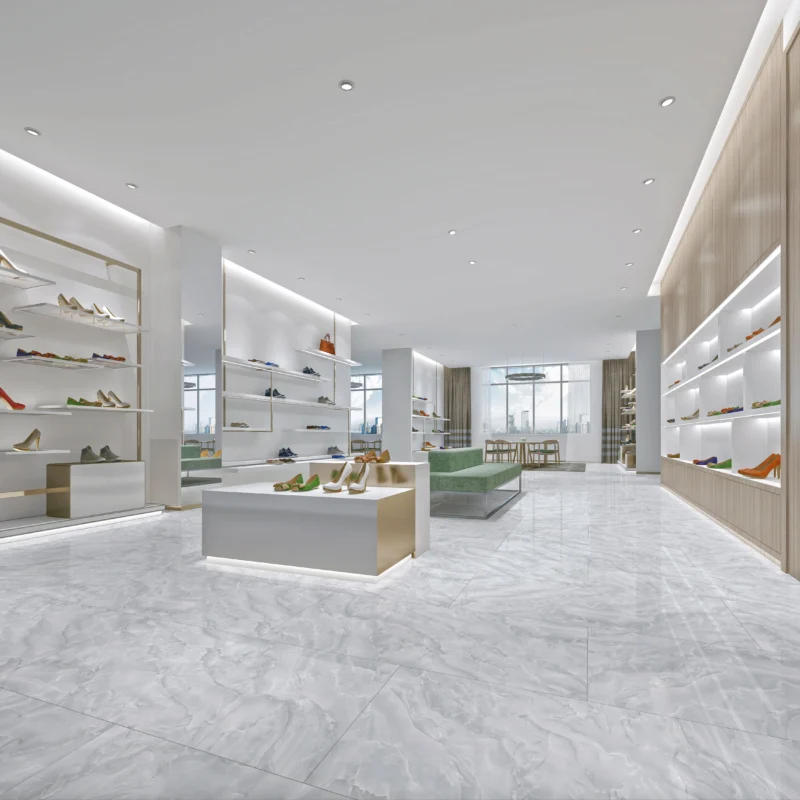 VENDOME GREY – Glossy Vitrified Tile | Marble Look
 -
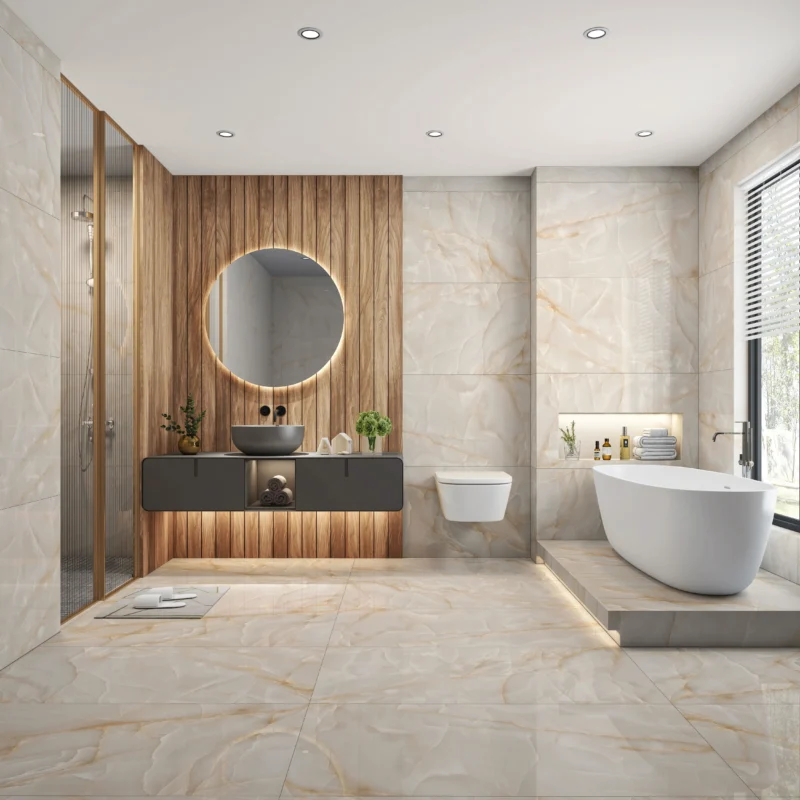 ALYON ONYX BEIGE – Glossy Vitrified Tile | Marble Look
 -
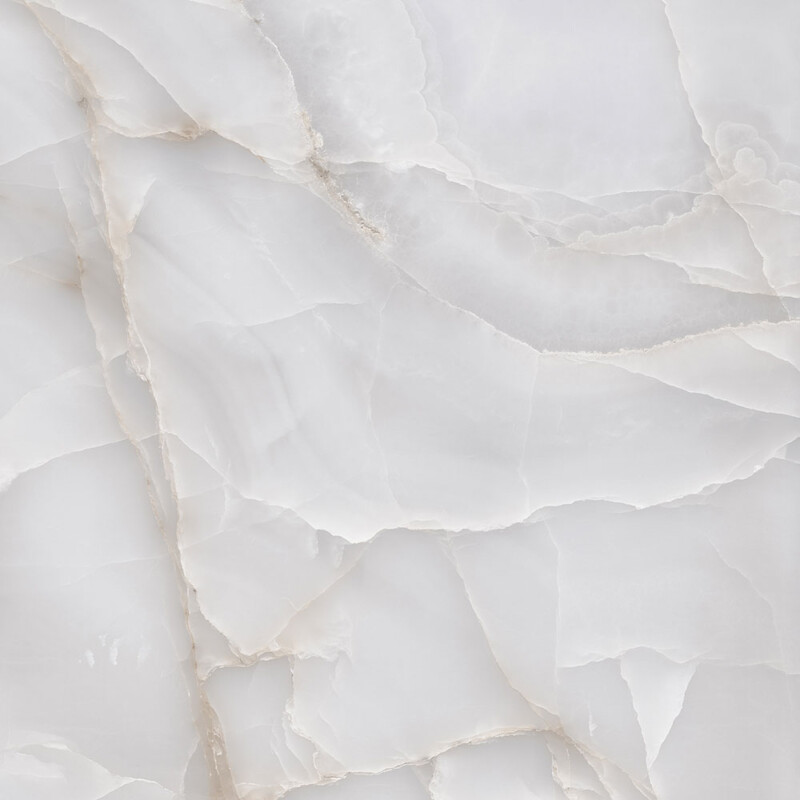 ALYON ONYX GREY – Glossy Vitrified Tile | Marble Look
 -
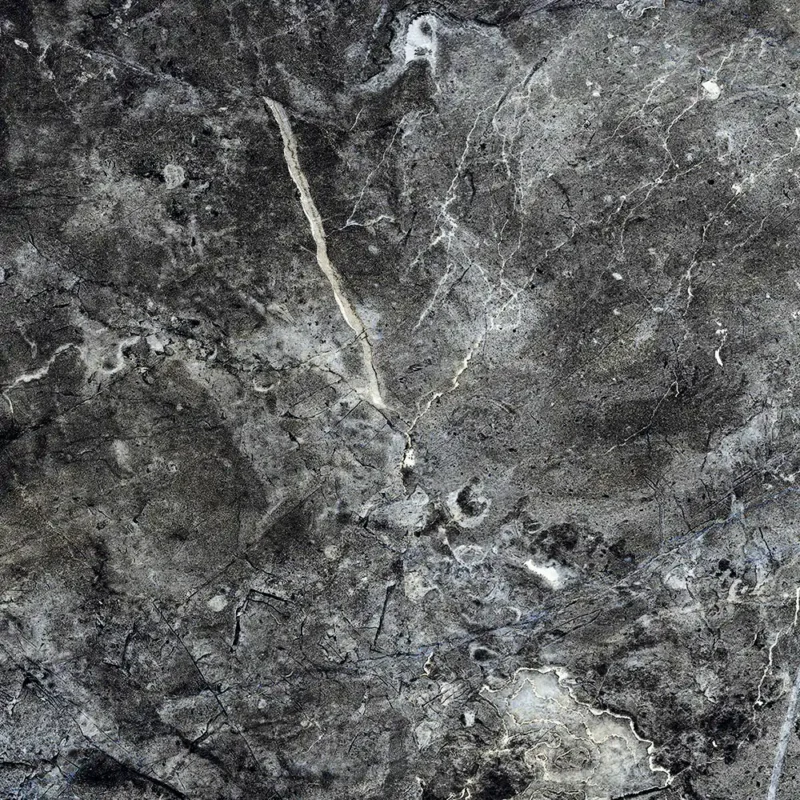 ANTIQUE GREY – Glossy Vitrified Tile | Stone Look
 -
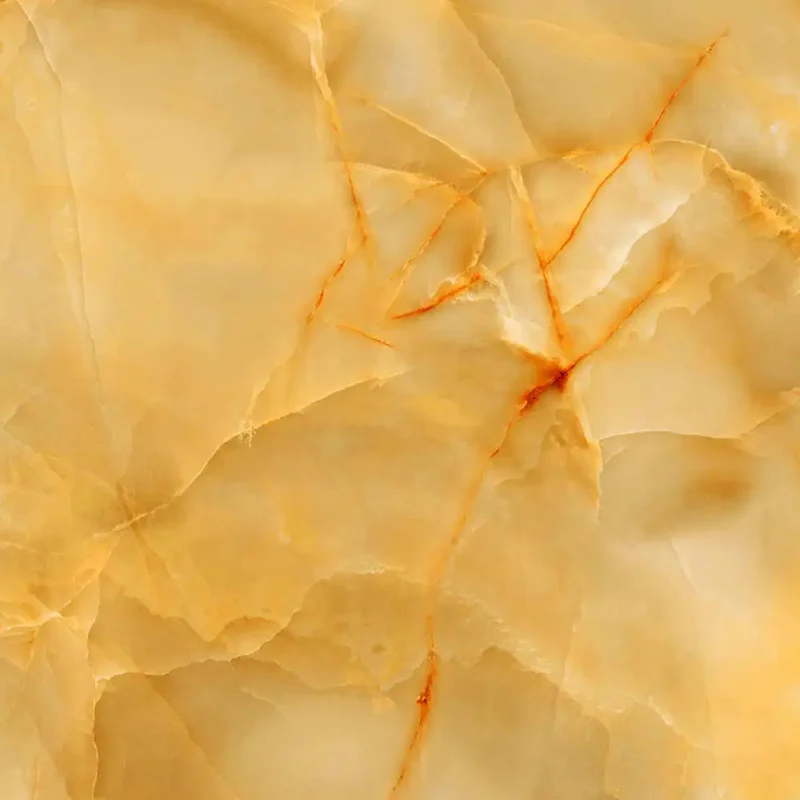 ARAVAIL BEIGE – Glossy Vitrified Tile | Marble Look
 -
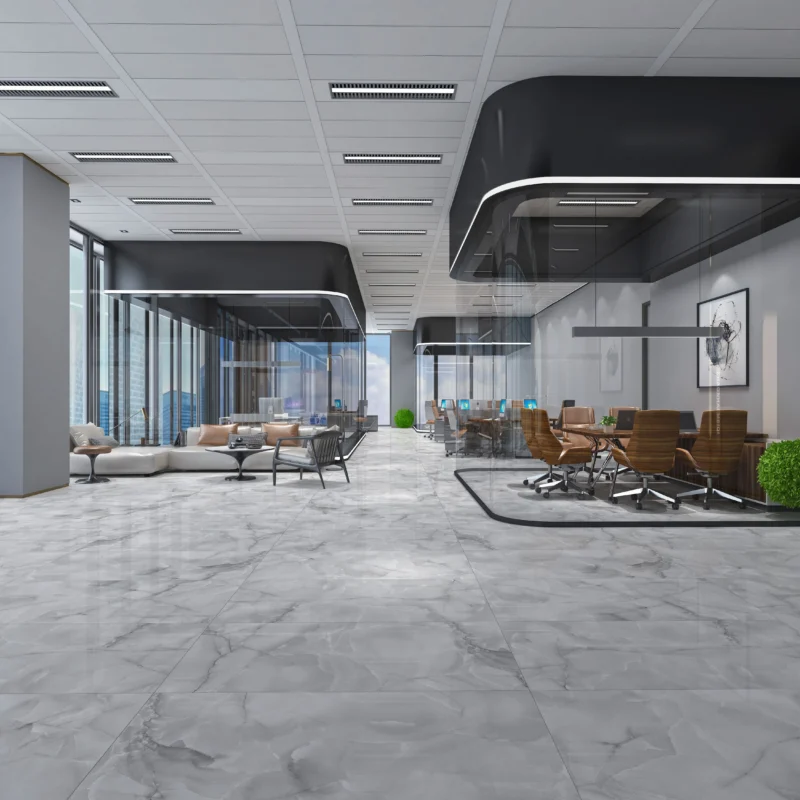 ARAVAIL GREY – Glossy Vitrified Tile | Marble Look
 -
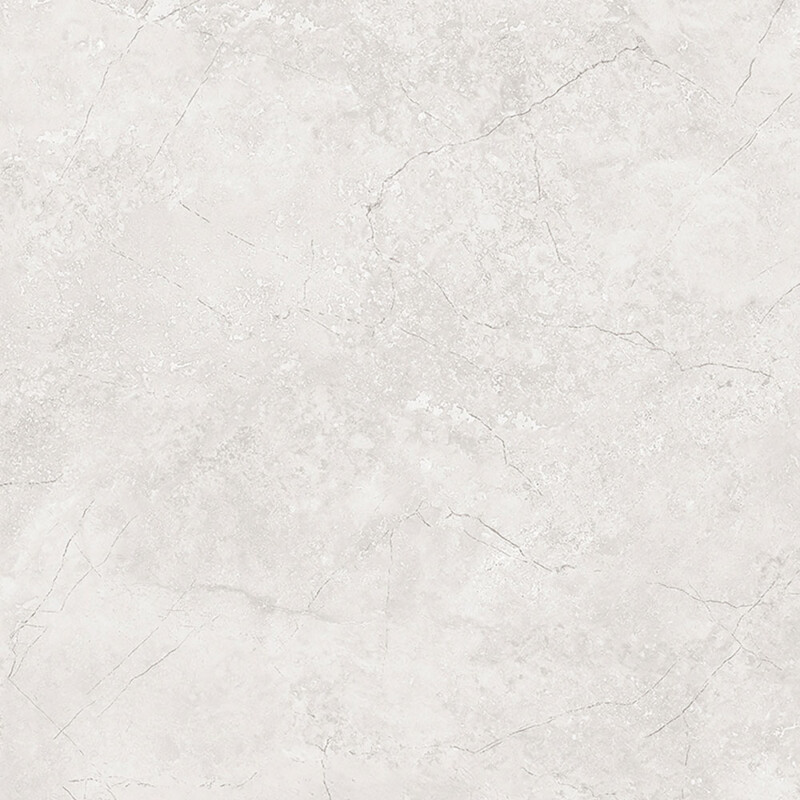 ASCON Bianco – Glossy Vitrified Tile | Stone Look
 -
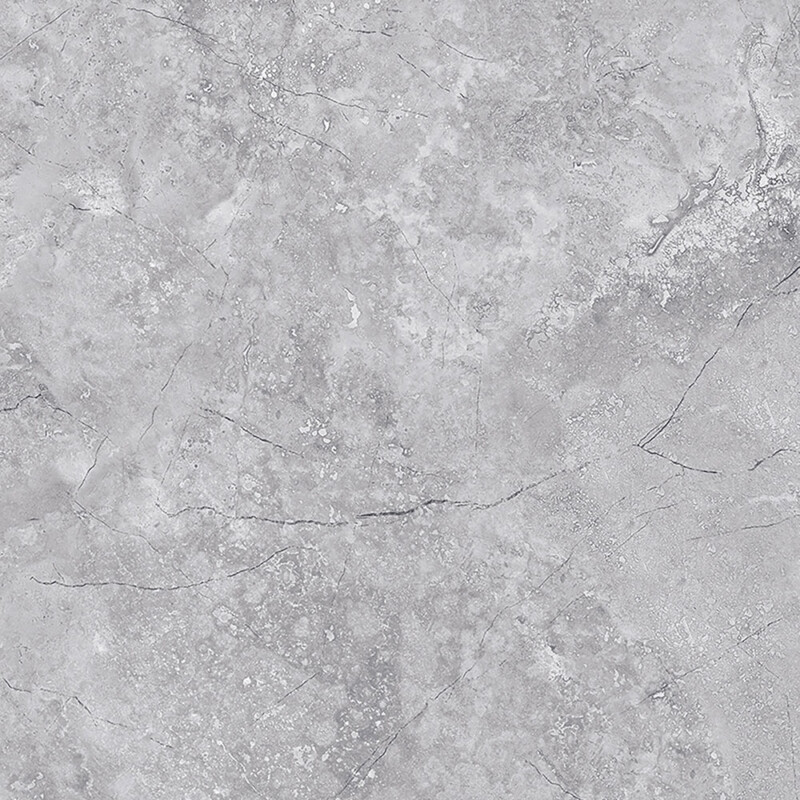 ASCON Grey – Glossy Vitrified Tile | Stone Look
 -
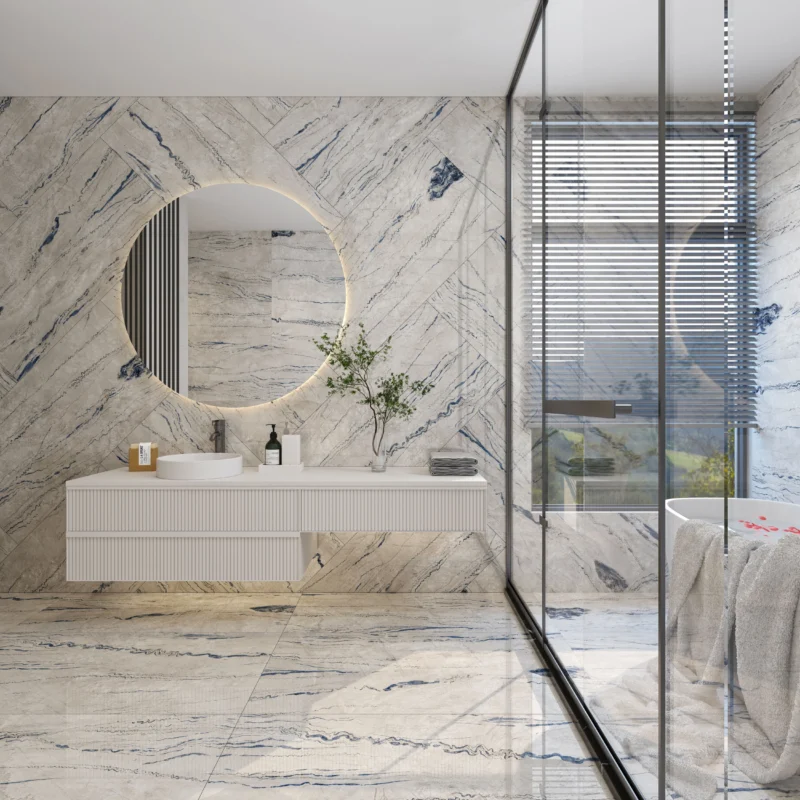 BIANCO NAPOLEON – Glossy Vitrified Tile | Marble Look
 -
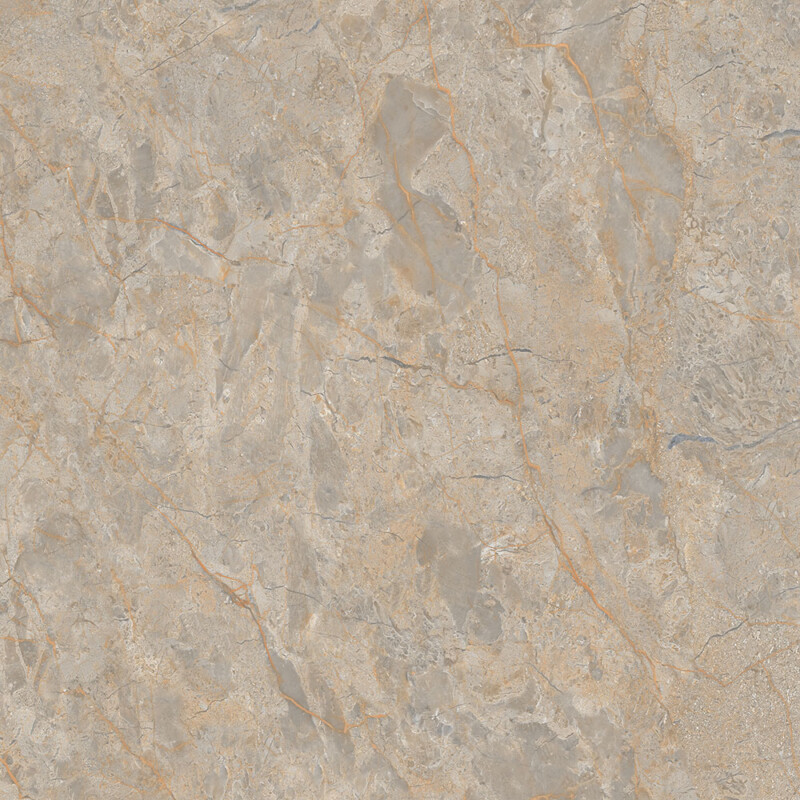 CLAN BEIGE – Glossy Vitrified Tile | Marble Look
 -
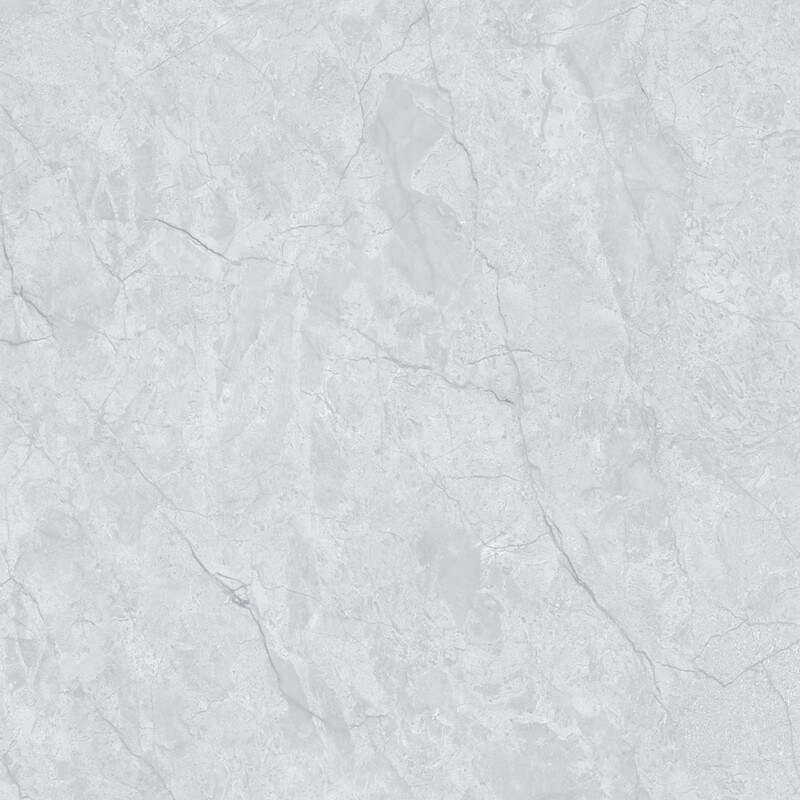 CLAN BIANCO – Glossy Vitrified Tile | Marble Look
 -
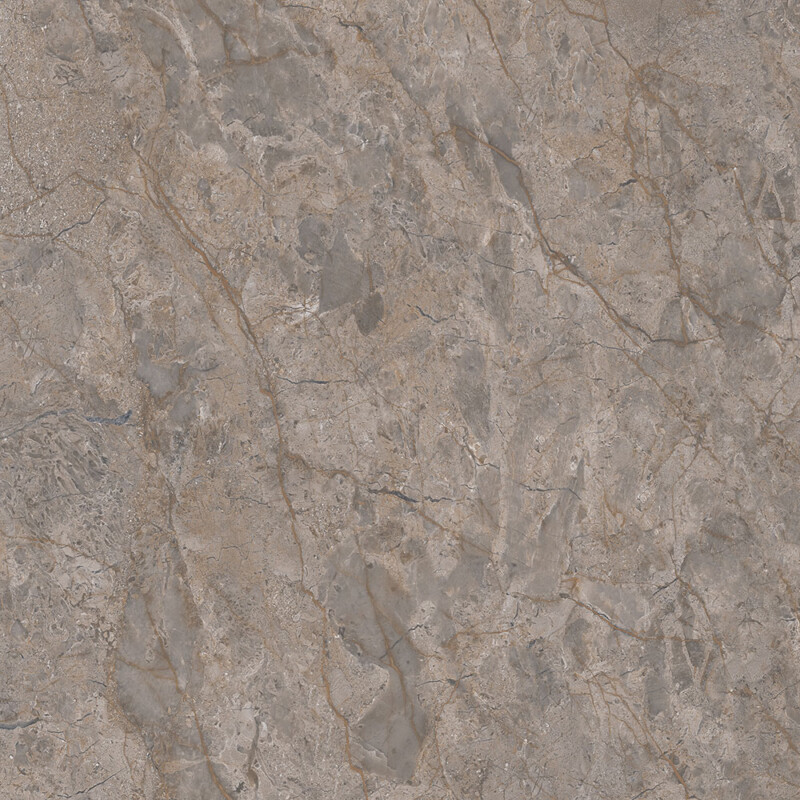 CLAN CHOCO – Glossy Vitrified Tile | Marble Look
 -
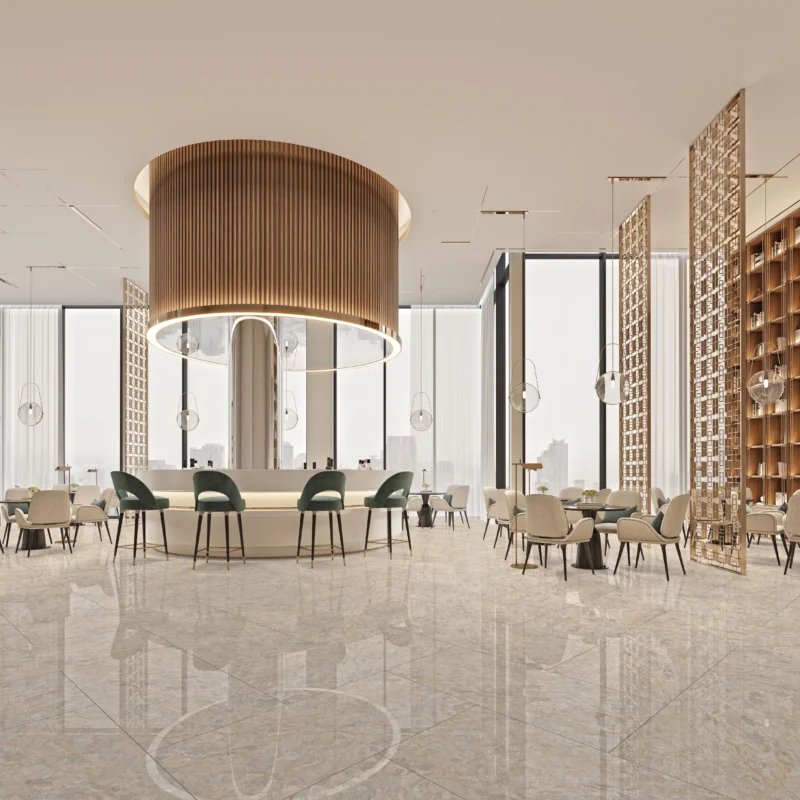 CLAN CREMA – Glossy Vitrified Tile | Marble Look
 -
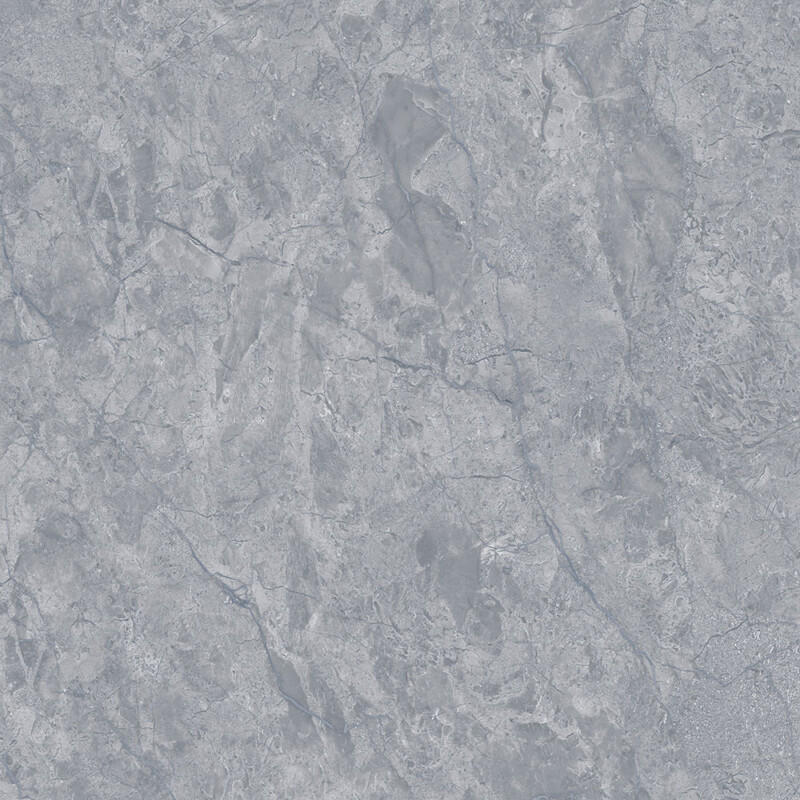 CLAN GREY – Glossy Vitrified Tile | Marble Look
 -
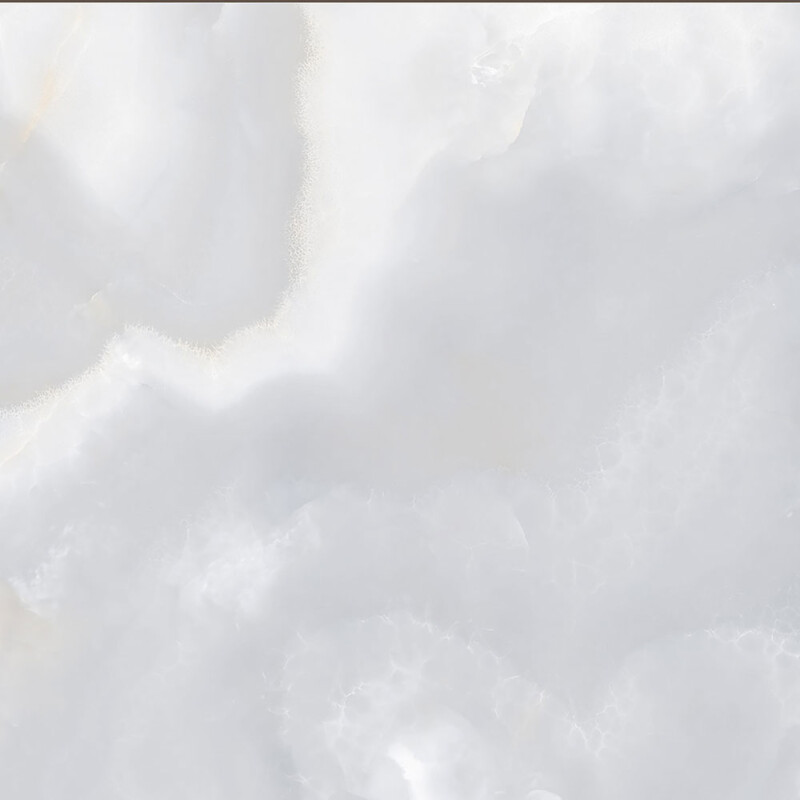 CLOUDY BIANCO – Glossy Vitrified Tile | Cloud Marble Look
 -
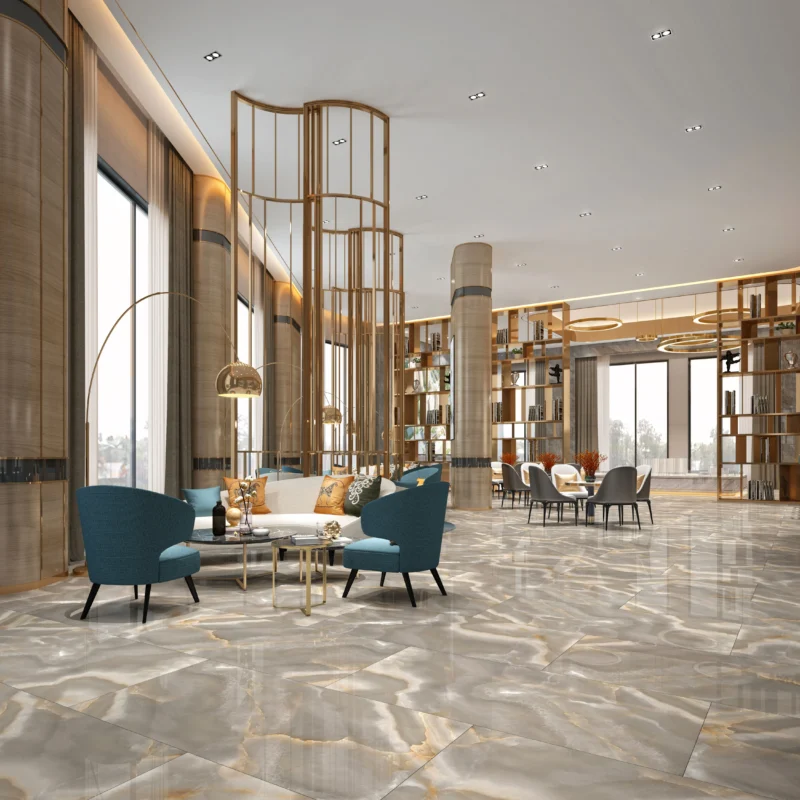 CLOUDY BROWN – Glossy Vitrified Tile | Cloud Marble Look
 -
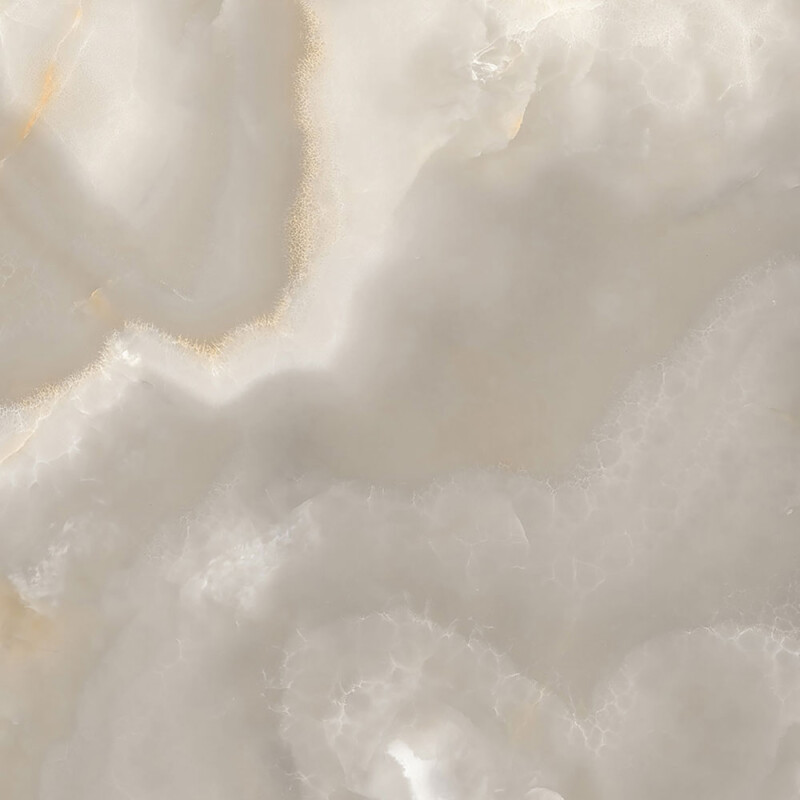 CLOUDY CREMA – Glossy Vitrified Tile | Cloud Marble Look
 -
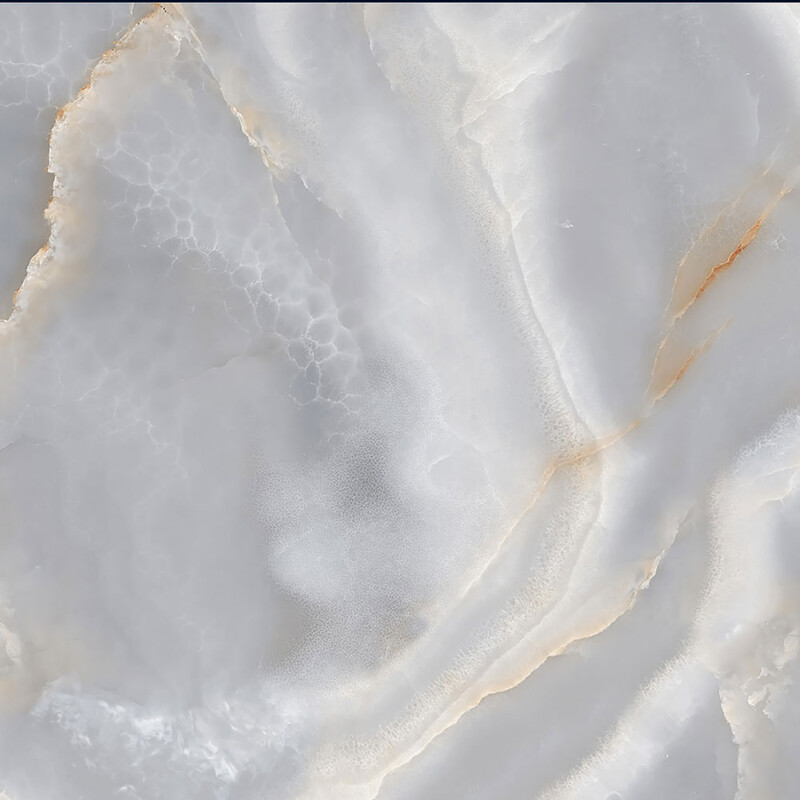 CLOUDY GREY – Glossy Vitrified Tile | Cloud Marble Look
Beyond Price: Partnering with Ramirro Ceramica for Reliable Tile Solutions
Cheap tiles are not the problem — uncertainty in quality is. When comparing cheap and expensive tiles, the real difference comes from the tile material, manufacturing control, and expected longevity. Tiles are often made from materials like ceramic or porcelain, but their durability depends on where they are used. Budget-friendly tiles can perform well in low-traffic wall applications such as ceramic wall tiles or backsplash areas, while high-traffic areas like the kitchen floor or main flooring spaces benefit from high-quality porcelain designed to handle heavy foot traffic without losing aesthetic appeal or finish stability.
Choosing the right tiles for your home means looking beyond price and making an informed decision based on performance, maintenance, and long-term value. Tiles are designed to balance durability with color, texture, and overall visual consistency across residential and commercial applications. At Ramirro Ceramica, our focus is to help you make an informed decision through reliable porcelain and ceramic tiles, consistent batch quality, and solutions that support lasting performance, ensuring your investment delivers value well beyond the initial cost.
Shop Now | Chat With Expert | View Catalogue
Here’s what you get out of our article. Our team have various Ceramic Experts with experience of more than 25 Years, researches on problems our customer faces in tiling industry.
Ramirro Ceramica, – One of The Leading Tiles Manufacturer and Supplier globally, helps you people gain knowledgeable insight before making your purchase decision for products related to the floor and wall tiles.
So, we have closely monitored all kinds of trends in the ceramic tiles manufacturing world, from the old days of clay and plain color to modern digital, realistic-looking designs printed on ceramics with high-depth effects.
Our tiling Experts have seen thousands of different tiles patterns, sizes, materials, pricing, and installation techniques throughout their career.
Their expertise shared with you in simplified and organised way, helps you choose and make better decision before purchasing any flooring option available in market.
Brief about Company:
Ramirro is one of the finest Tiles manufacturers in India manufacturing porcelain and ceramic tiles. Our products have a variety of sizes and types of tiles ranging from Ceramics, porcelain, Full body etc. This helps you choose the perfect fit for your project. Plus, our collection will help you get inspiration from the architect’s design.
Here’s some more helpful links that showcase our users trust on Ramirro Ceramica Brand:
– Growth in International Market
– Trusted and Licensed Exporter
– Manufacturing Plant in India
Here’s our social proof by LinkedIn competing with top known global tiling brands: