
- Why South Korea’s Tile Market Deserves Attention Today
- What Free Trade Agreements Mean
- India South Korea CEPA: The Trade Agreement Behind the Tile Flow
- Why Porcelain Tiles Fit South Korea Better Than Ever
- Wall vs Floor Tiles: How Usage Has Changed in Korean Interiors
- Design Trends Shaping Tile Choices
- How CEPA Changes the Equation for Imported Porcelain Tiles
- Where Indian Tile Manufacturers Fit into This Market Shift
- Ramirro Ceramica’s Role in Supplying Tiles to South Korea
- What This Means for Importers, Designers, and Developers
- The Future of Tiles in South Korea Under Trade Agreements
- Shaping Reliable Tile Choices in South Korea with Ramirro Ceramica
South Korea’s construction and interior landscape is evolving rapidly, and tiles play a much bigger role in that transformation than many people realise. From high rise apartments to commercial spaces, porcelain wall and floor tiles are increasingly chosen for their durability, clean aesthetics, and long term performance. At the same time, free trade agreements have made it easier for global tile manufacturers to serve the South Korean market with competitive pricing and consistent supply. Ramirro Ceramica, an Indian tile manufacturer and exporter, brings a focused portfolio of porcelain wall and floor tiles designed to meet international quality expectations while aligning with South Korea’s evolving market needs.
Why South Korea’s Tile Market Deserves Attention Today
South Korea’s housing and urban landscape is evolving at a rapid pace, with new residential projects, mixed use developments, and large scale urban renewal reshaping how interiors are planned. Across South Korea, the focus has shifted from basic finishes to materials that balance design, durability, and long term performance, especially in high use living and commercial spaces.
In this changing environment, tiles have gained importance over paint, wood laminates, and vinyl flooring. These alternatives often require frequent maintenance or replacement, while porcelain wall and floor tiles offer better resistance to wear, moisture, and daily cleaning. Today, tiles are no longer chosen only for appearance, they directly influence hygiene, ease of upkeep, and how well a space holds up over time, making them a practical choice for modern Korean interiors.
What Free Trade Agreements Mean
What a Free Trade Agreement Does
A Free Trade Agreement (FTA) is an arrangement between countries to make trading goods easier and less expensive. It reduces barriers like high taxes and complex procedures, allowing products such as tiles to move more smoothly across borders and reach markets at more predictable prices.
How FTAs Reduce or Remove Import Duties Over Time
Under an FTA, import duties are usually lowered gradually or removed in phases rather than all at once. This steady reduction helps control costs over time and makes imported construction materials more competitive without sudden market disruption.
Why Construction Materials Like Tiles Benefit More
Tiles are used in large volumes and form a noticeable part of construction budgets. Because of their weight and quantity, any reduction in import duty has a direct impact on final project costs, influencing material selection more than many other products.
Clearing a Common Myth About FTAs
FTAs are often seen as political agreements, but their real effect is practical. They shape project budgets, material choices, and sourcing decisions, directly influencing how buildings are planned and finished.
India South Korea CEPA: The Trade Agreement Behind the Tile Flow
The Comprehensive Economic Partnership Agreement (CEPA) between India and South Korea came into force in 2010. Unlike a narrow trade pact focused only on goods, CEPA was designed as a broader framework to support long term economic cooperation between the two countries.
What CEPA Covers
CEPA extends beyond physical products. It includes trade in goods, selected services, investment cooperation, and customs facilitation. For manufacturers and importers, the customs related provisions are especially important because they aim to simplify documentation, improve transparency, and reduce procedural delays at ports.
How Tiles Fit Under CEPA
Ceramic and porcelain tiles are traded under specific HS (Harmonised System) classifications, which determine how duties are applied. Under CEPA, many of these tariff lines were reduced or scheduled for gradual reduction over time, rather than removed instantly. The exact treatment depends on the product category and its HS code, which is why duty benefits can vary across different types of tiles.
What “Duty Reduction” Really Means in Practice
Duty reduction under CEPA does not mean tiles automatically become duty free. Instead, it lowers the tax burden applied at import, which can reduce the overall landed cost when combined with logistics and local taxes. For tile buyers in South Korea, this creates more room to source higher quality porcelain products without sharply increasing project budgets, while still maintaining predictable pricing and supply planning.
Why Porcelain Tiles Fit South Korea Better Than Ever
| Aspect | Porcelain Tiles | Why This Matters in South Korea |
|---|---|---|
| Raw material & firing | Made from finer raw materials and fired at higher temperatures | Results in denser tiles that perform better in modern apartments and commercial buildings |
| Porosity & water absorption | Very low water absorption compared to regular ceramic | Helps prevent moisture issues in kitchens, bathrooms, and humid environments |
| Strength & durability | Stronger under pressure and daily wear | Ideal for high rise apartments where floors are used continuously |
| Performance with ondol heating | Transfers heat efficiently without cracking or warping | Works well with South Korea’s underfloor heating systems |
| Maintenance & cleaning | Easy to clean and resistant to stains | Supports hygiene and reduces long term maintenance effort |
| Wall and floor usage | Suitable for both wall and floor applications | Allows consistent material use across interiors |
Wall vs Floor Tiles: How Usage Has Changed in Korean Interiors
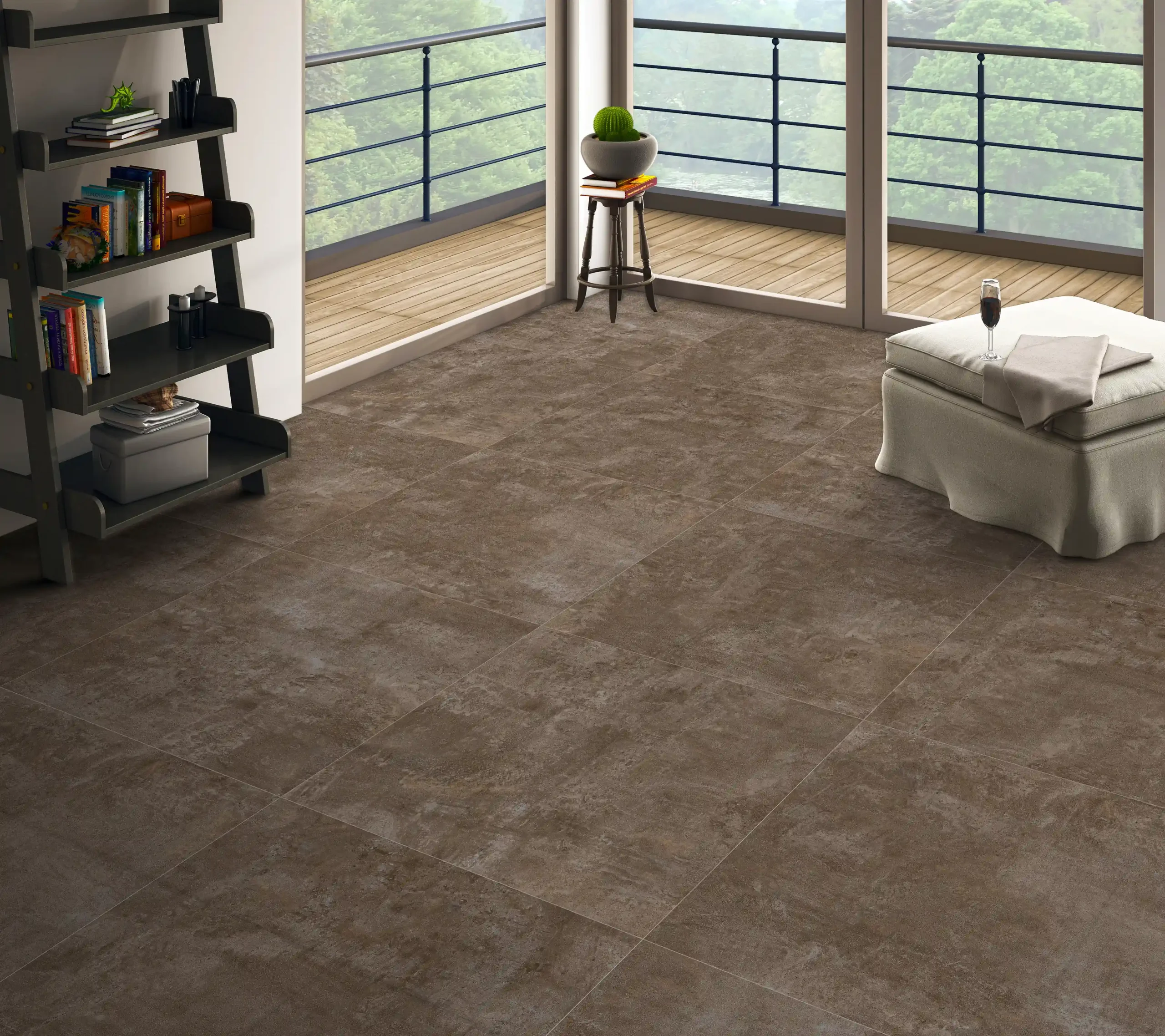
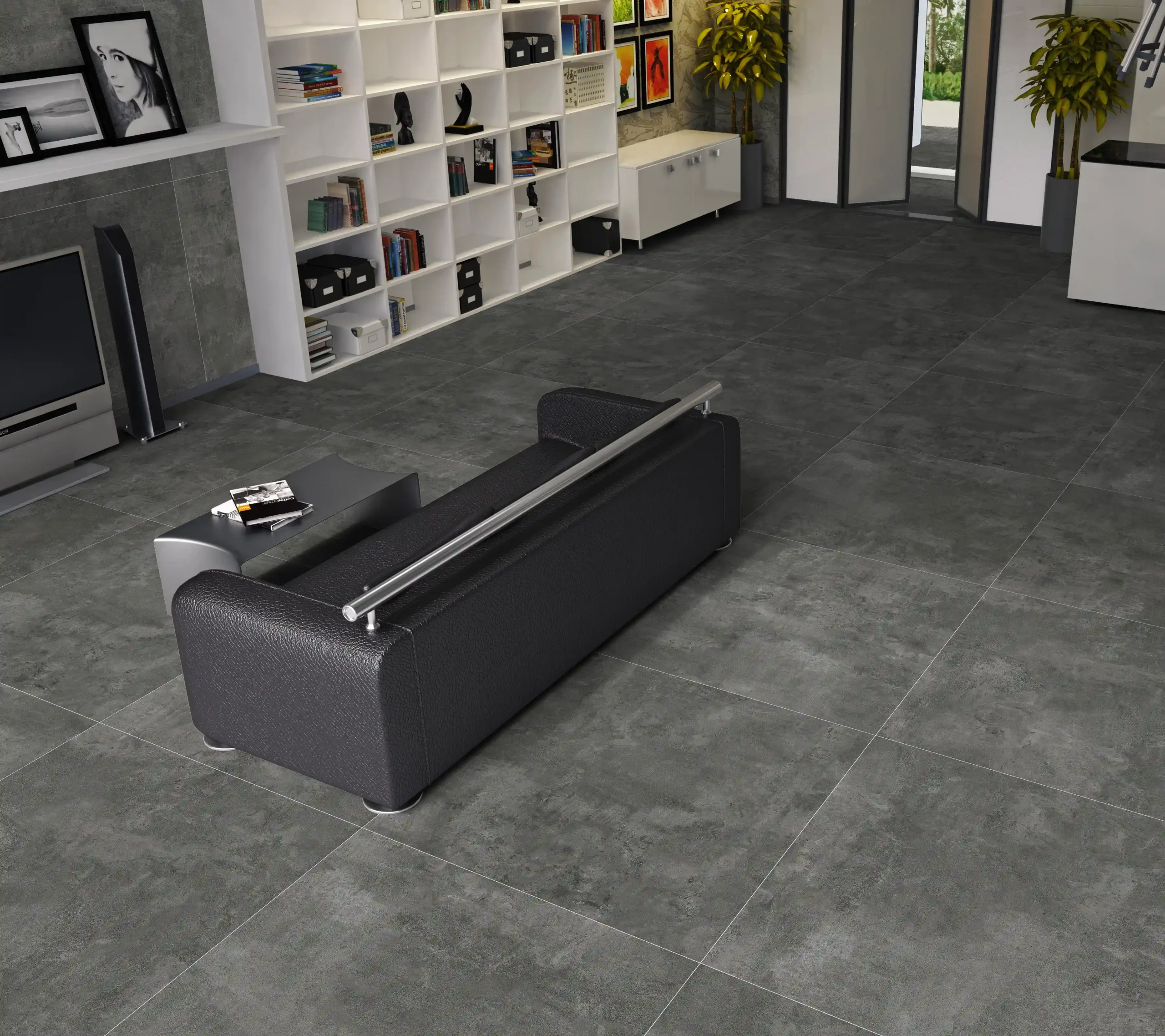
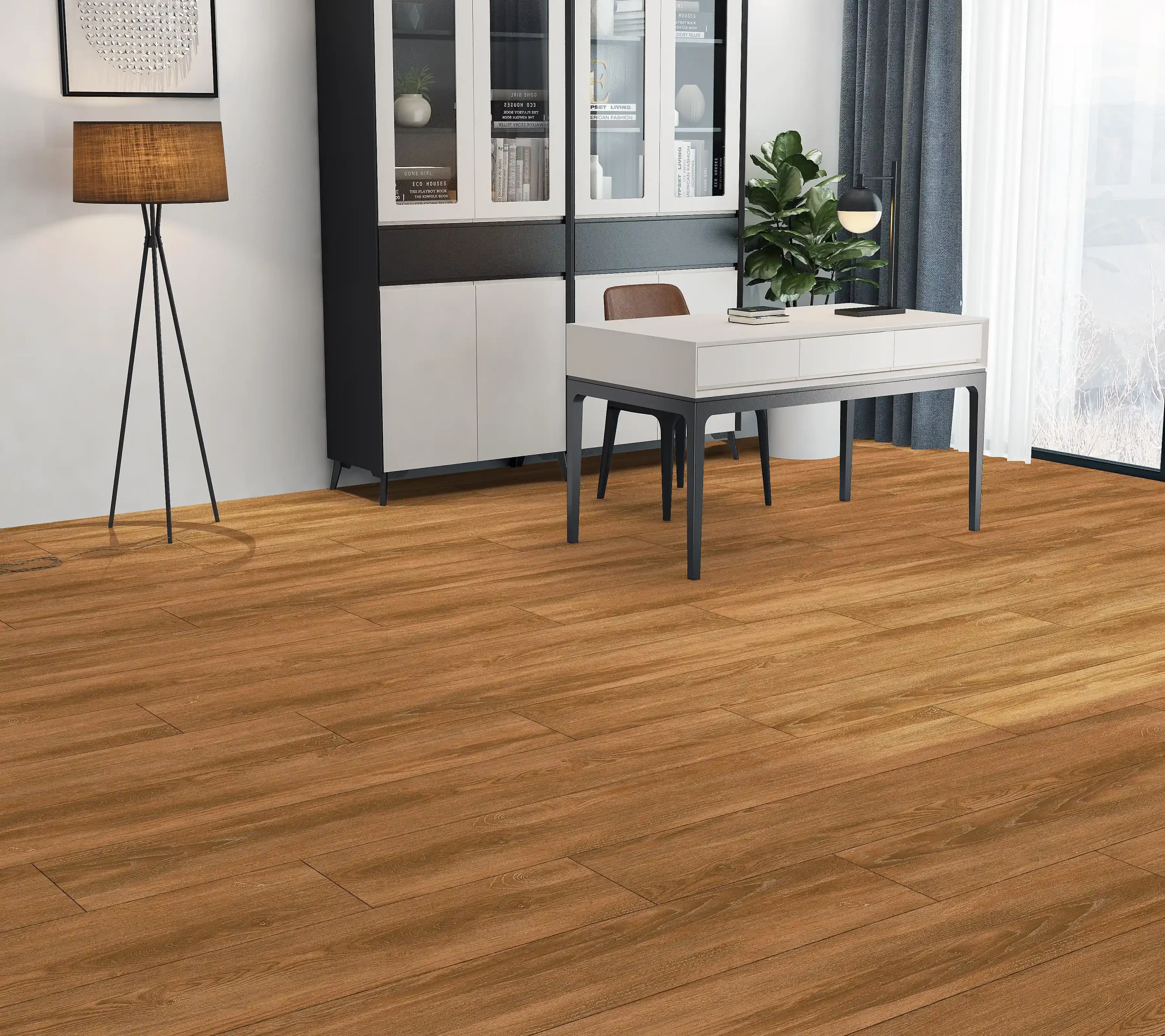
In Korean interiors, floor tiles are no longer limited to bathrooms and utility areas. They are increasingly used in living rooms, kitchens, and even entry spaces, where durability and ease of maintenance matter more than ever. As homes become more compact and multifunctional, a single continuous floor surface helps spaces feel larger while standing up to daily wear.
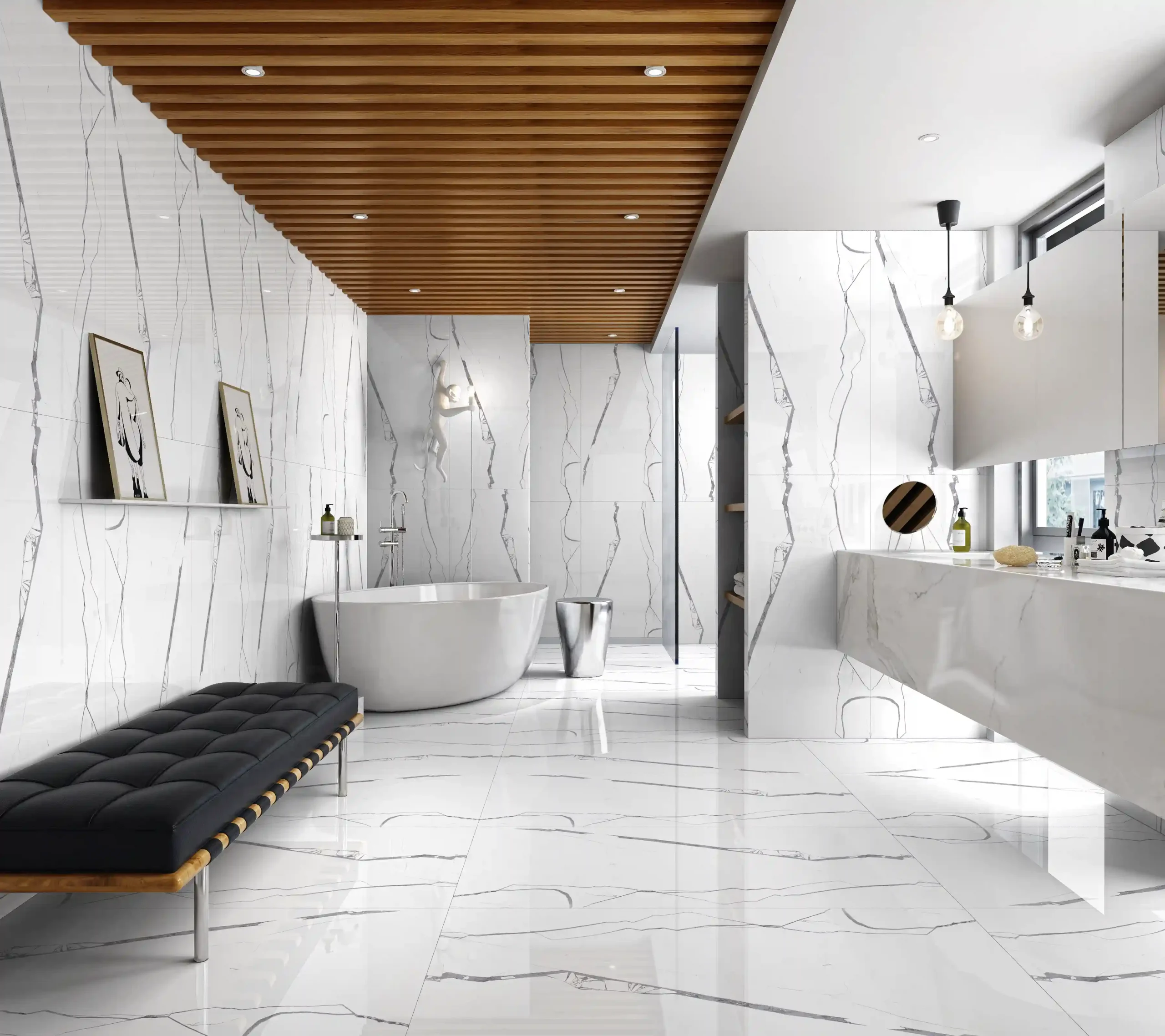
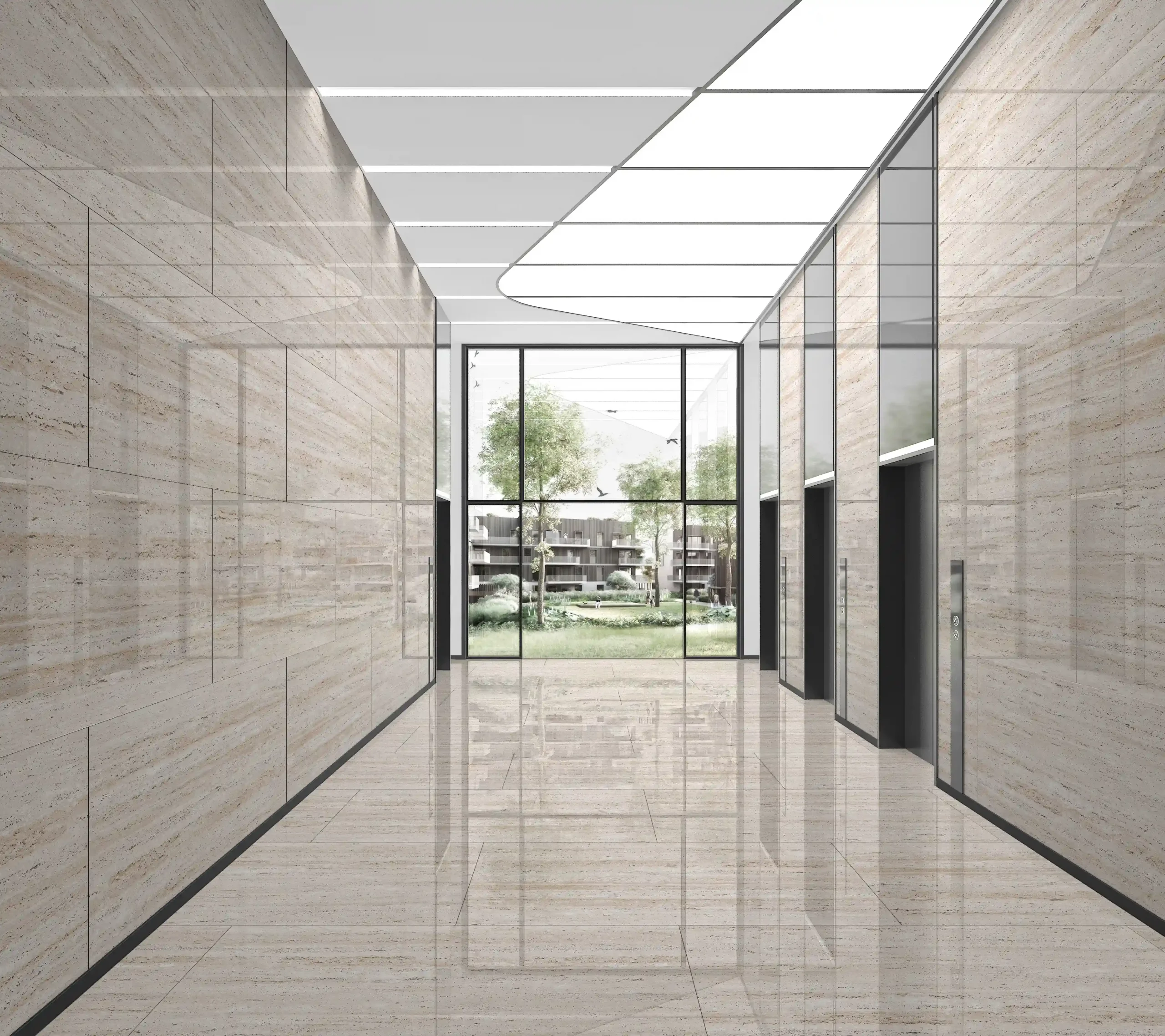
Wall tiles have also taken on a more practical role. Instead of being used mainly for decoration, they are chosen for protection in high use zones such as kitchens, bathrooms, and shared corridors. A growing preference for large format tiles and seam minimised layouts reflects this shift, as fewer joints create a cleaner look and reduce dirt buildup. In South Korea, visual calm and easy cleaning now drive tile decisions just as much as design, shaping how both wall and floor tiles are specified across modern interiors.
Design Trends Shaping Tile Choices
Neutral, architecture friendly colours
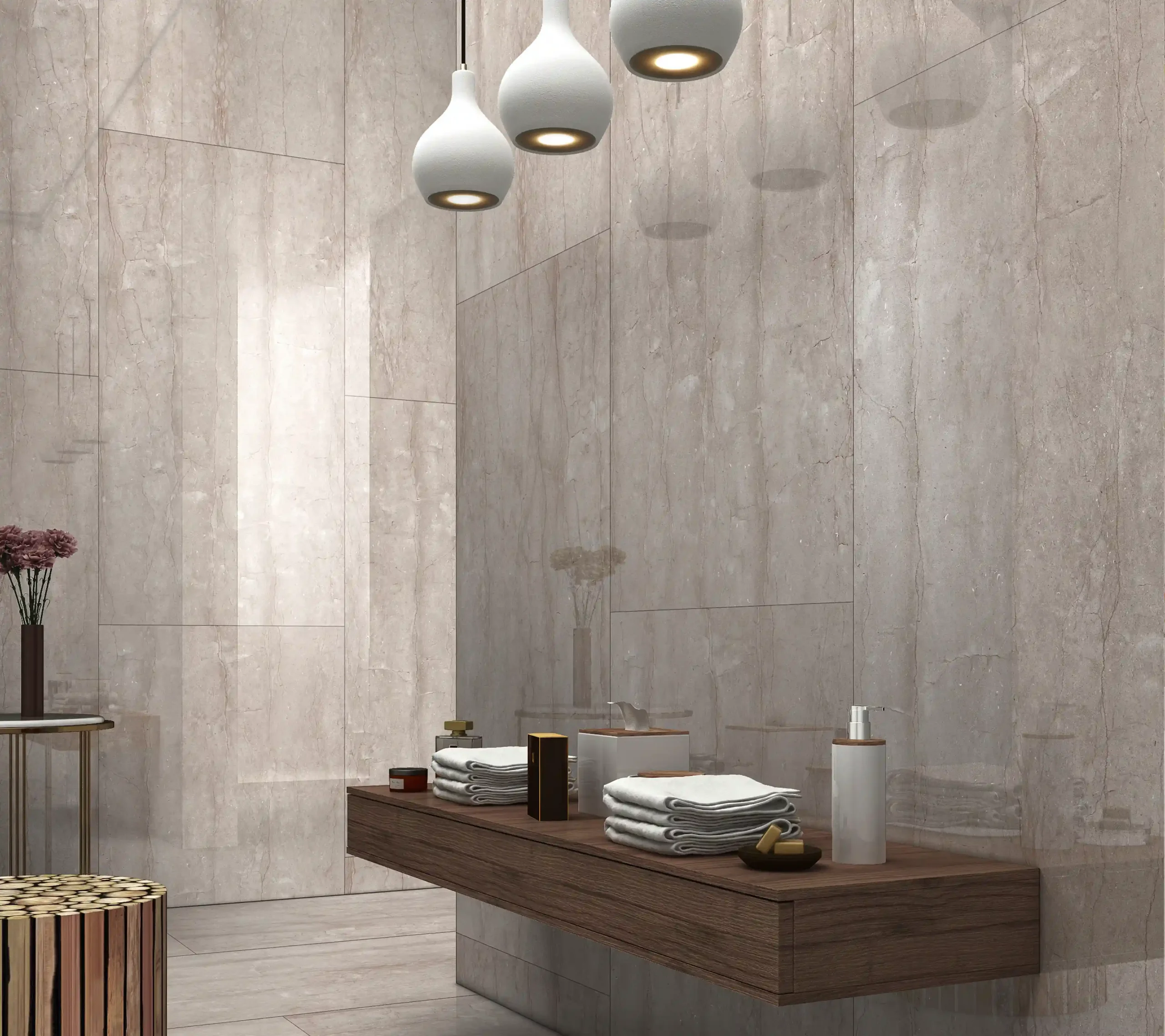
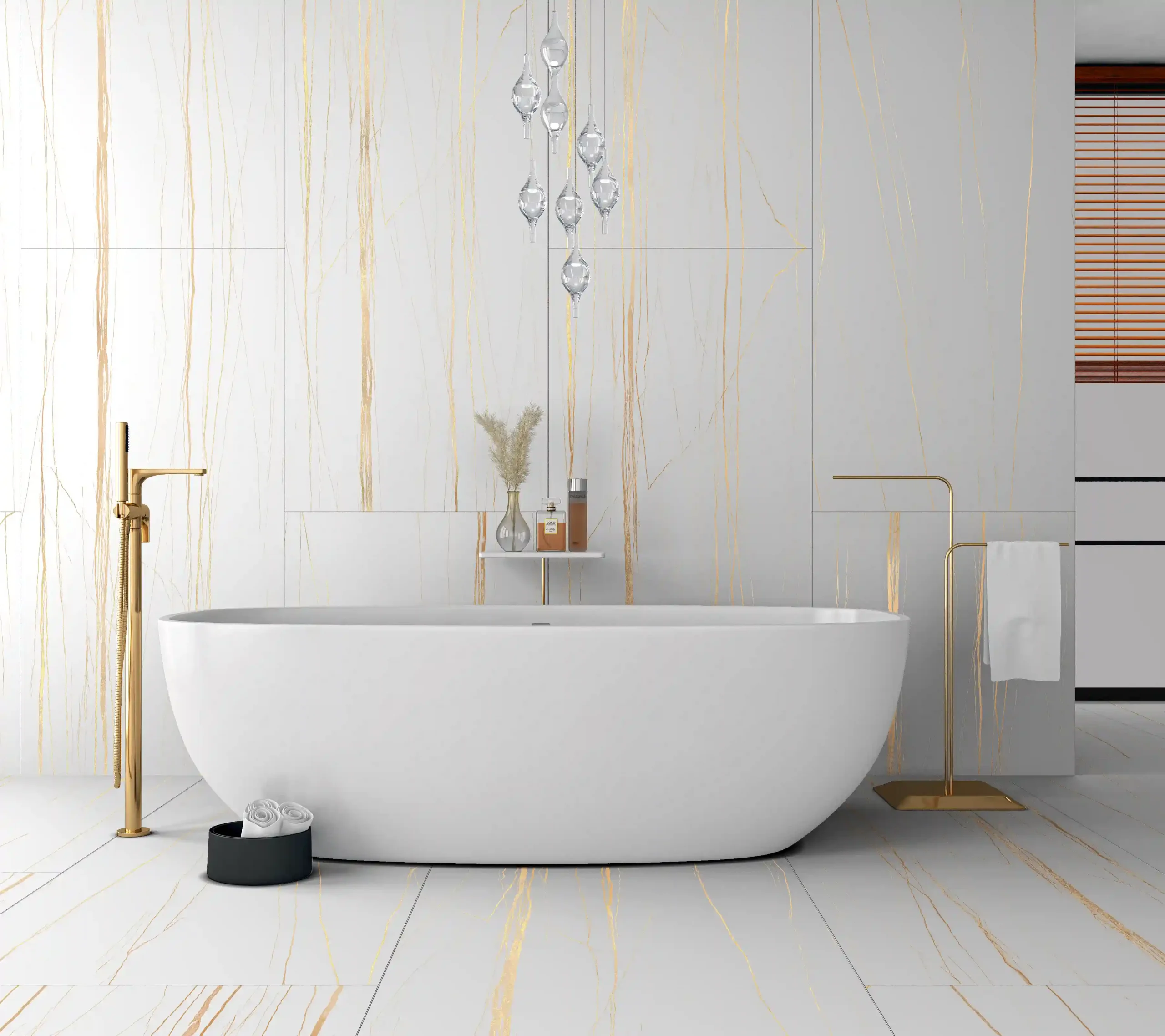
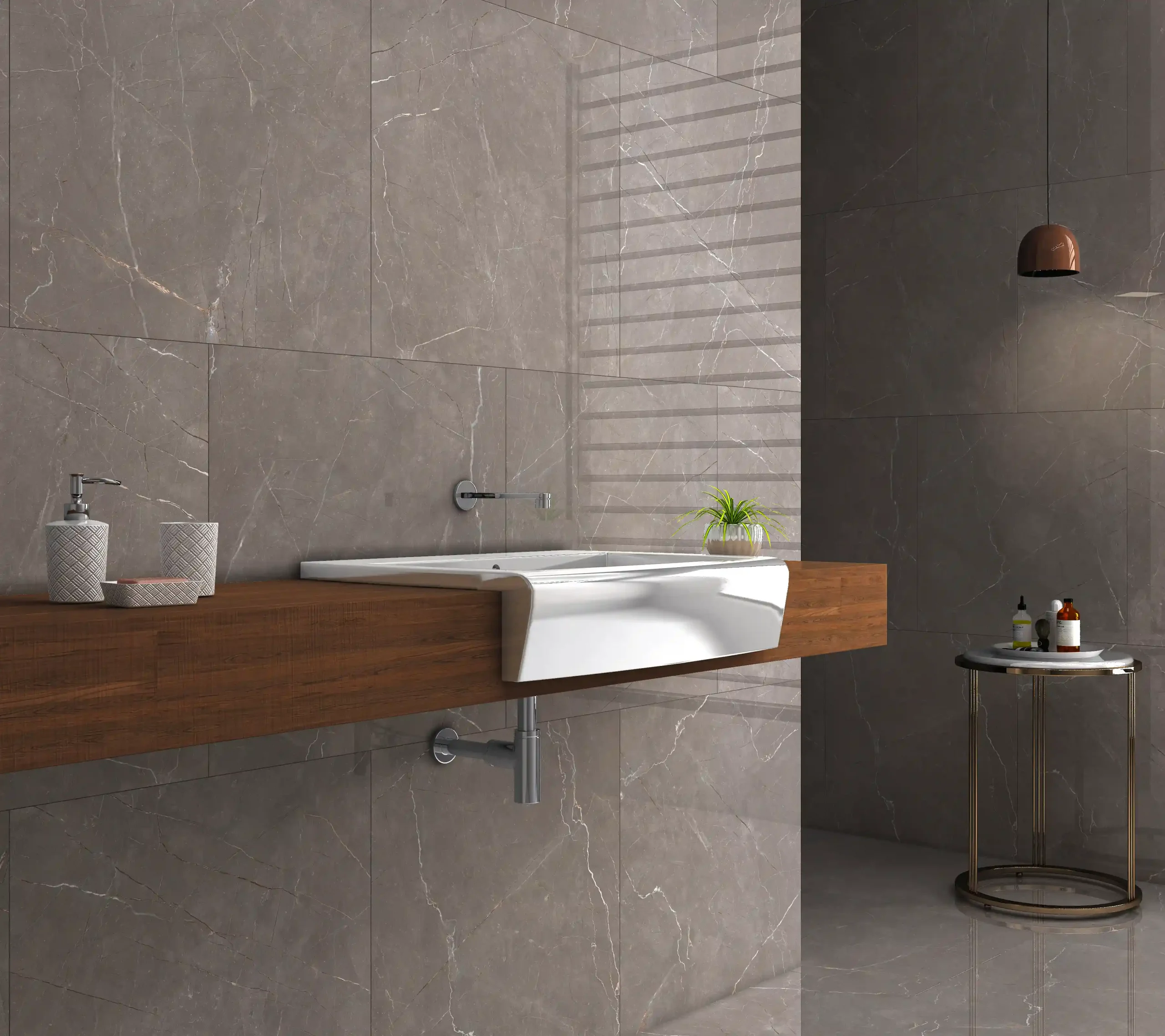
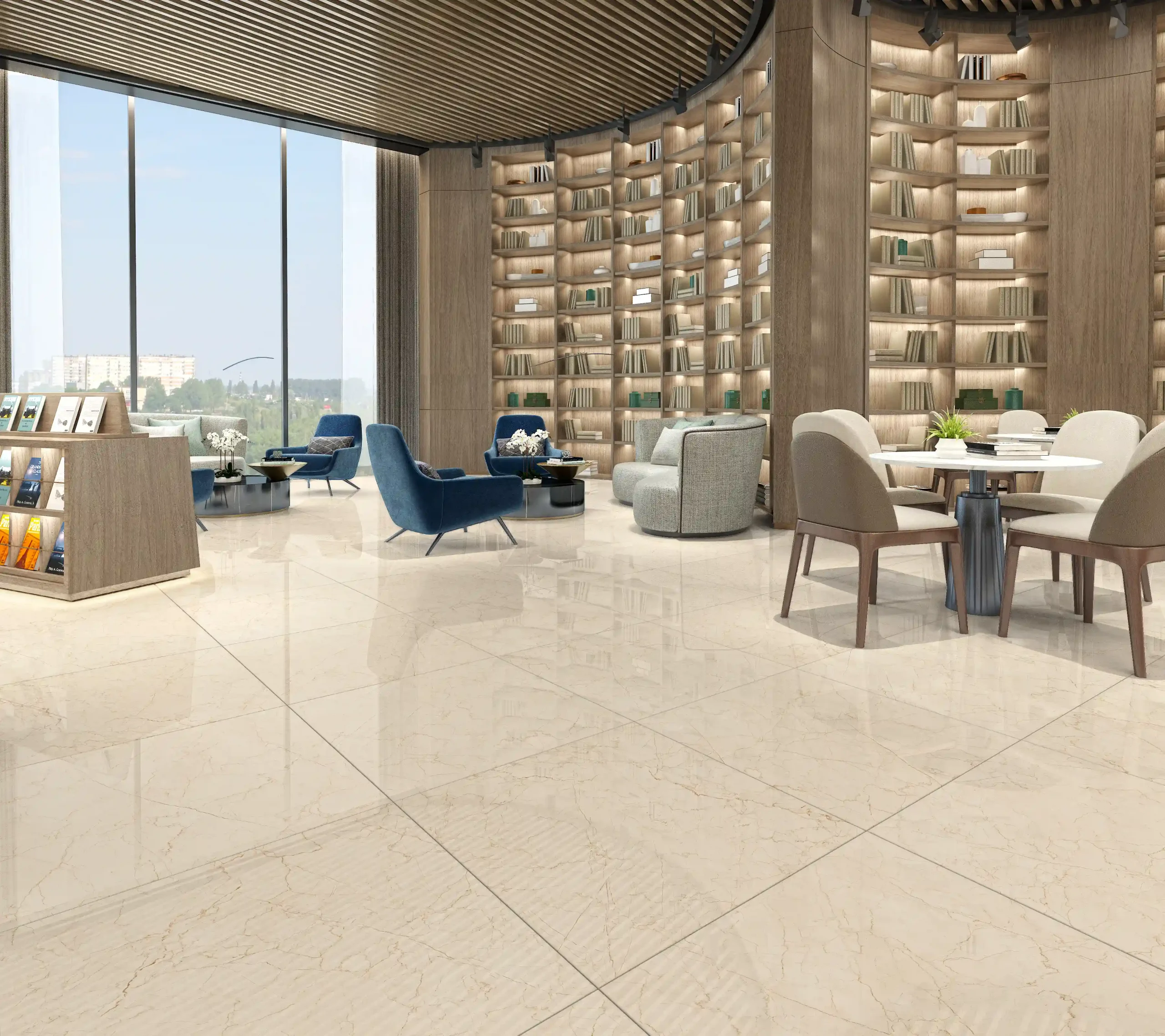
Soft greys, warm beiges, and natural tones are preferred because they support the overall space rather than dominate it. These colours work well across homes, offices, and mixed use projects and remain relevant over time.
Stone and concrete inspired porcelain surfaces
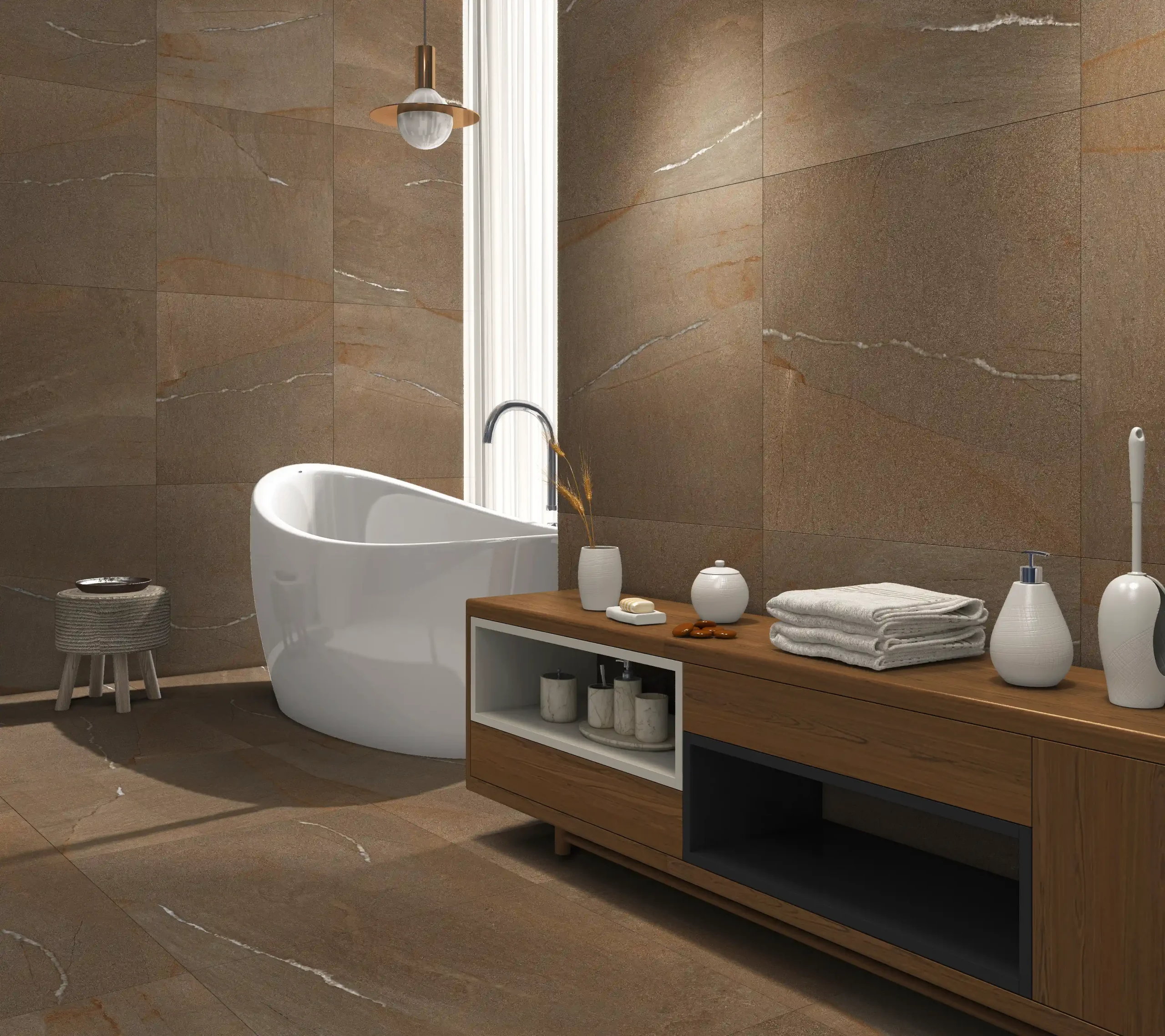
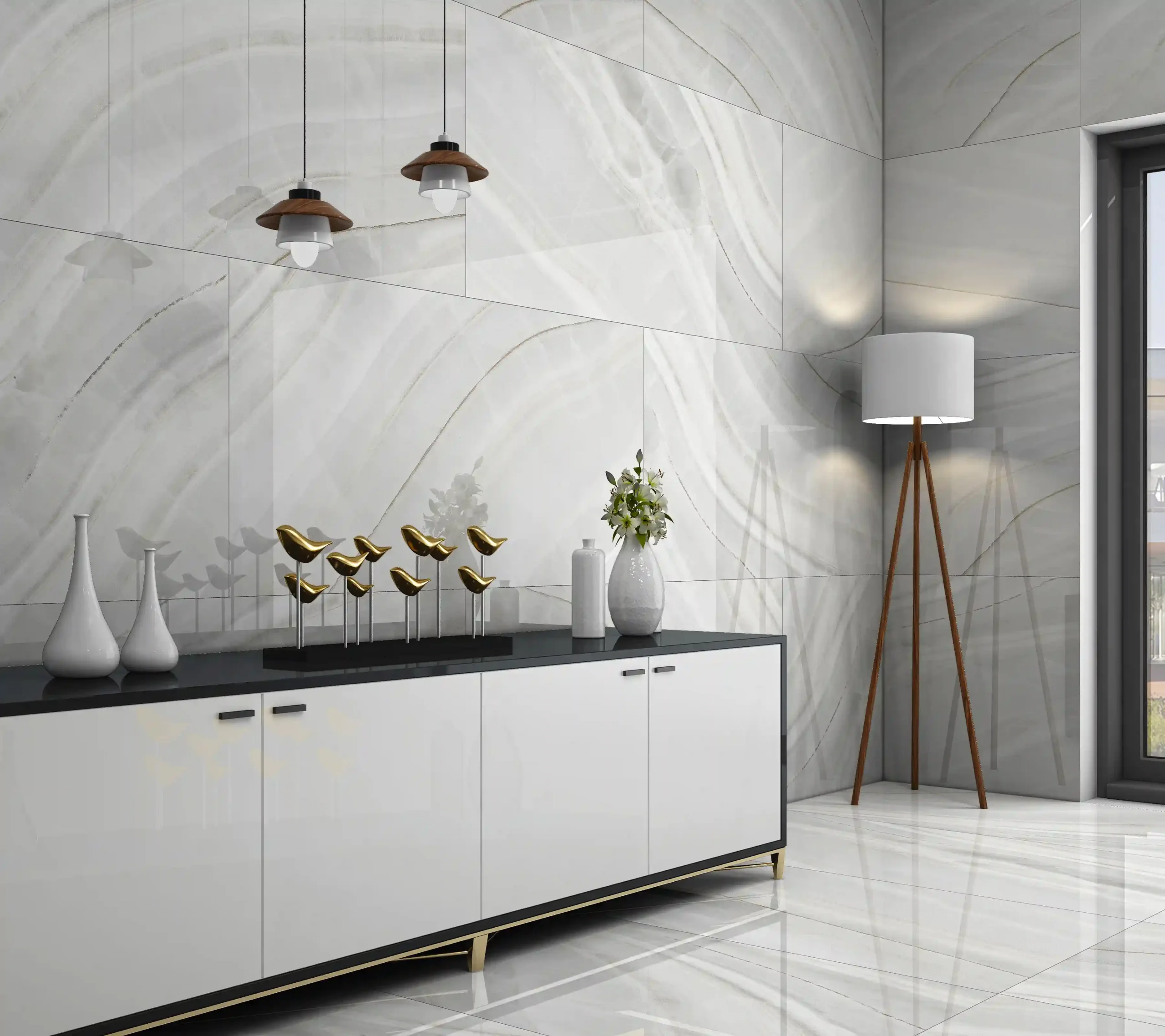
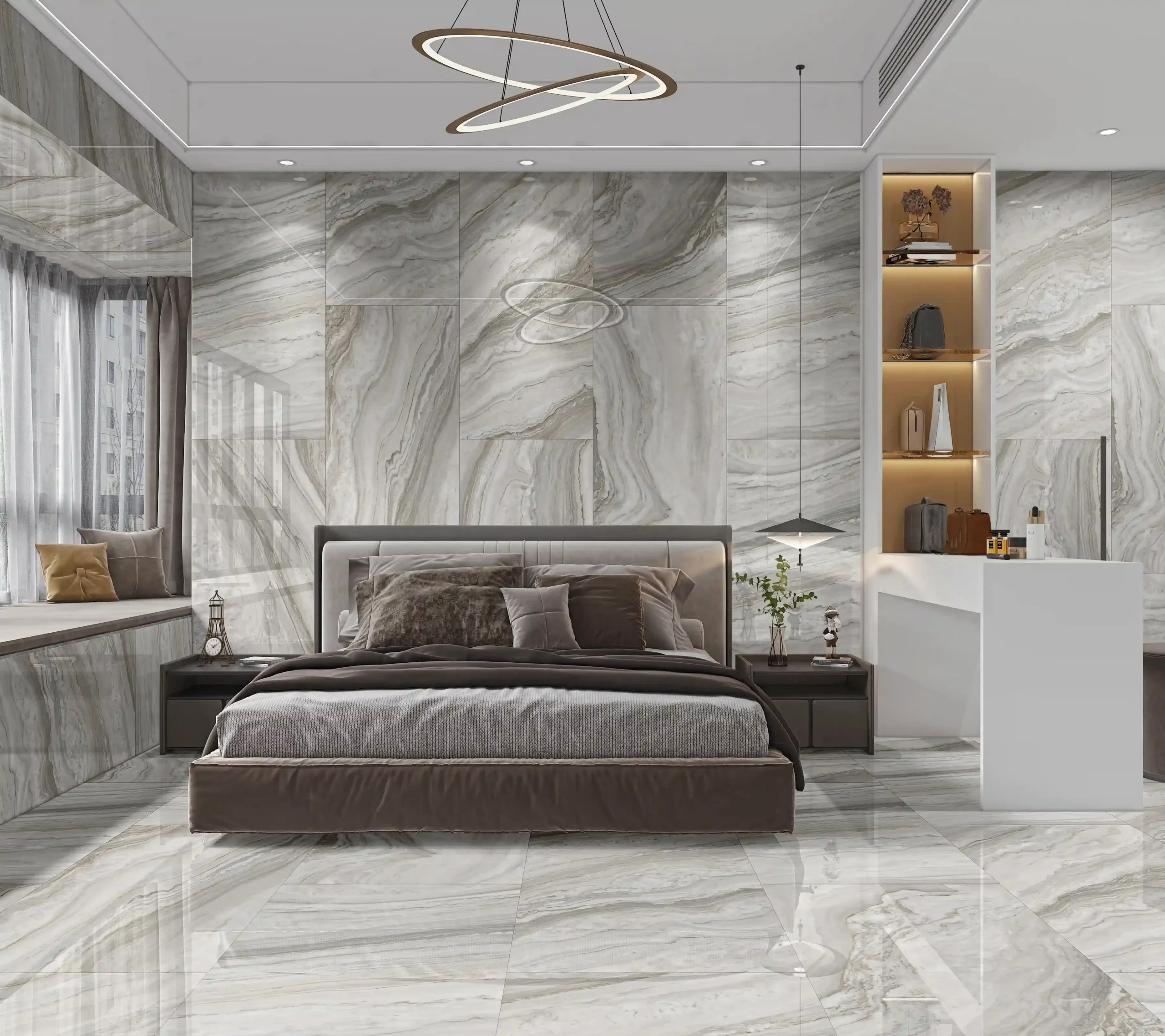
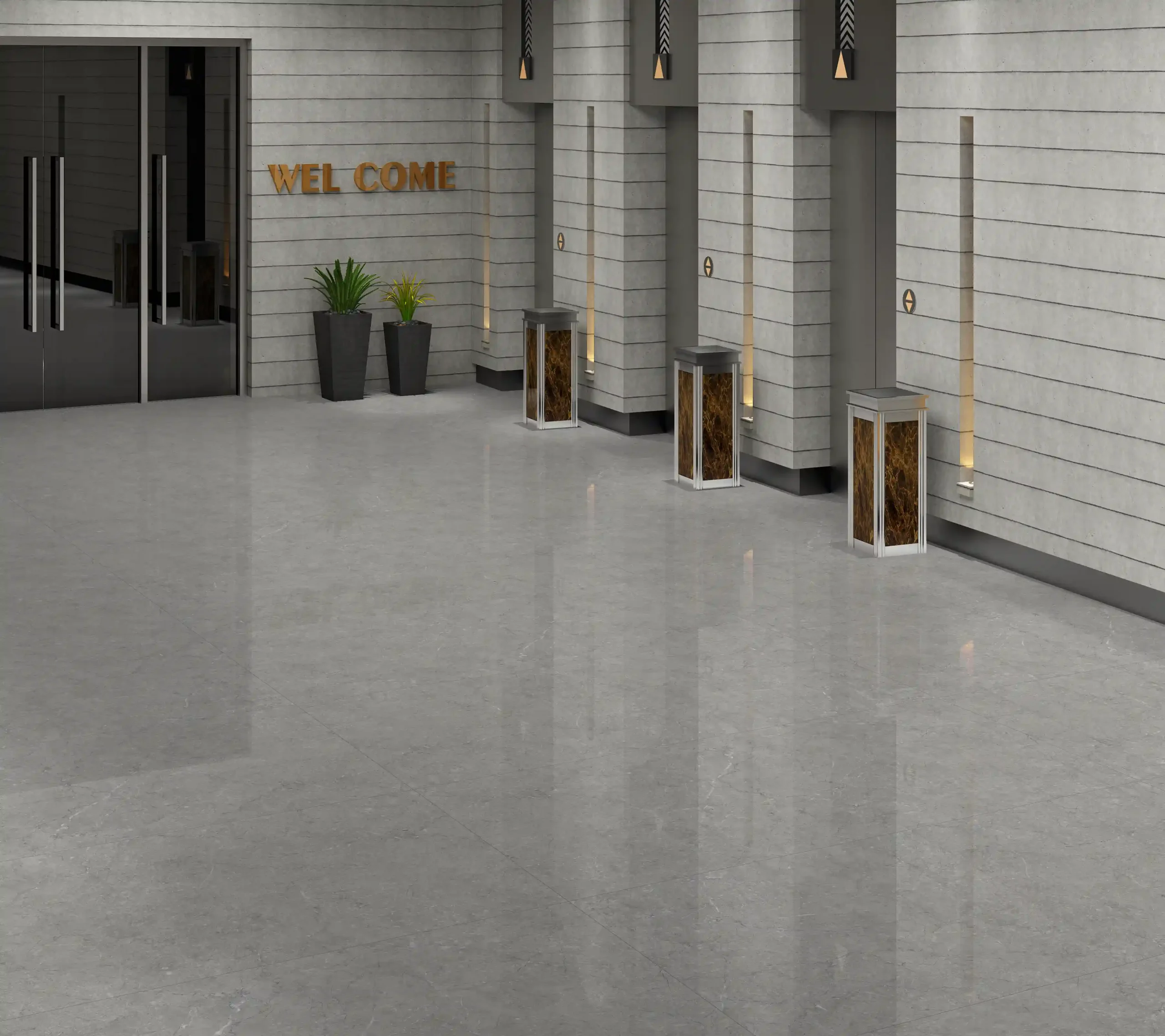
Natural stone and concrete looks are popular for their calm, structured appearance. Porcelain versions offer the same visual depth with better durability and easier maintenance, making them suitable for both wall and floor applications.
Matte finishes over high gloss
Matte tiles are increasingly chosen for everyday usability. They reduce glare, show fewer scratches, and feel more practical in high use areas compared to glossy surfaces that can look worn over time.
Consistency over bold patterns
Uniform shade, texture, and surface finish matter more than decorative designs. Buyers value tiles that look consistent across large areas, especially in apartments and commercial projects where visual continuity is important.
How CEPA Changes the Equation for Imported Porcelain Tiles
Lower Landed Cost Compared To Non Fta Sourcing
Under CEPA, many porcelain tile tariff lines benefit from reduced or phased down duties. While tiles are not automatically duty free, these reductions can lower the overall landed cost compared to imports from countries without a trade agreement, making pricing more competitive.
More Predictable Sourcing For Large Projects
CEPA also supports smoother customs procedures and clearer trade rules. For large residential and commercial developments, this improves supply predictability, helping importers and developers plan quantities and timelines with greater confidence.
Access To Higher Grade Porcelain Within Set Budgets
When import costs are controlled, project teams can specify better quality porcelain tiles; such as denser bodies or larger formats without exceeding budgets. This shifts decision making from cost driven compromises to performance based choices.
Increased Visibility Of Indian Manufacturers
After CEPA came into effect, Indian tile manufacturers gained stronger access to the South Korean market. The combination of trade facilitation and competitive manufacturing capabilities made Indian porcelain tiles more visible and viable for Korean importers and specifiers, especially in comparison to non FTA suppliers.
Where Indian Tile Manufacturers Fit into This Market Shift
Volume scalability for large projects
Indian tile manufacturers are well equipped to handle large and repeat orders. High capacity production allows consistent supply for residential towers, commercial developments, and phased projects without frequent material changes.
Improved batch consistency
Modern manufacturing processes in India focus strongly on shade control and surface uniformity. This consistency is critical for large installations, where even small variations can affect the final visual outcome.
Strong adoption of porcelain technology
Indian manufacturers have invested heavily in porcelain tile production, including large format slabs and dense body tiles. This makes them suitable for demanding applications such as high traffic floors and contemporary wall surfaces.
Performance based competition with European tiles
Indian tiles do not compete by copying European designs, but by meeting performance expectations; strength, durability, and dimensional accuracy at more accessible price points.
Ramirro Ceramica’s Role in Supplying Tiles to South Korea
Ramirro Ceramica approaches the South Korean market with a clear focus on porcelain wall and floor tiles that match local performance and usage requirements. Rather than offering a broad, trend driven catalogue, the emphasis is on surfaces that perform consistently across residential and commercial applications, where durability and long term appearance matter most.
A key part of this approach is strong quality control, including careful shade grouping and production consistency. These measures help ensure that tiles supplied for a single project remain visually uniform, even across large areas or multiple shipments. Unlike brands that operate only in domestic markets, Ramirro Ceramica designs its export processes around international specifications, documentation standards, and predictable supply schedules.
What This Means for Importers, Designers, and Developers
For Importers: Predictable Pricing And Supply
Trade backed sourcing and stable manufacturing allow importers to plan costs with greater certainty. Predictable pricing and reliable delivery reduce risk, especially when handling large or repeat orders for ongoing projects.
For Designers: Consistency Across Project Phases
Designers benefit from tiles that remain consistent in shade, size, and finish across multiple phases of a project. This continuity makes it easier to maintain a unified design language from initial installation to later extensions or replacements.
For Developers: Durability And Lower Maintenance Over Time
High quality porcelain wall and floor tiles offer better resistance to wear, moisture, and daily use. This reduces maintenance requirements and replacement frequency, improving long term building performance.
Why Tile Selection Affects Lifecycle Cost
Choosing tiles is no longer just about appearance. The right material influences cleaning effort, repair needs, and how well a space ages. Over time, these factors can have a bigger financial impact than the initial material cost, making tile selection a long term investment decision.
The Future of Tiles in South Korea Under Trade Agreements
Trade Agreements Shaping Sourcing Decisions
Free trade agreements are expected to continue influencing how construction materials are sourced. Reduced trade barriers and clearer import rules make long term planning easier, encouraging buyers to look beyond local markets when selecting tiles.
Porcelain Tiles Gaining Ground
As performance expectations rise, porcelain tiles are likely to take a larger share from alternative flooring materials such as vinyl and laminates. Their durability, moisture resistance, and suitability for modern living make them a practical choice for both residential and commercial spaces.
Growing Importance Of Stable Suppliers
Large developments and phased projects require consistent material supply over time. Reliable suppliers who can maintain quality and availability become essential as projects scale and timelines extend.
Shaping Reliable Tile Choices in South Korea with Ramirro Ceramica
At the end of the day, free trade agreements may shape supply routes, but it is building materials that shape lived spaces. The tiles chosen today influence how homes and commercial environments perform tomorrow; across indoor functionality, maintenance, and long-term value. With a focus on high-quality, durable tiles that balance aesthetic appeal and performance, Ramirro Ceramica offers a thoughtfully curated collection ranging from glaze ceramic tile finishes and mosaic tiles to vitrified tiles and porcelain tiles in South Korea, designed for modern architectural needs.
As a trusted tiles supplier and best tiles manufacturer, the brand supports projects with cutting-edge, sustainable, and highly durable surfaces that deliver slip resistance, ease of installation, and long-lasting reliability. Whether an architect is specifying architectural decor for projects in tiles in Seoul or sourcing for developments in Busan, Ramirro Ceramica provides a wide range of designs and a careful selection of elegant solutions that combine elegance with everyday functionality.
Customers can explore the collection both online and offline, visit a showroom, or connect directly with the team; reinforcing Ramirro Ceramica’s position as a leading tiles company in South Korea, where tiles are designed not just to look good, but to perform beautifully over time.
Shop Now | Chat With Expert | View Catalogue
Here’s what you get out of our article. Our team have various Ceramic Experts with experience of more than 25 Years, researches on problems our customer faces in tiling industry.
Ramirro Ceramica, – One of The Leading Tiles Manufacturer and Supplier globally, helps you people gain knowledgeable insight before making your purchase decision for products related to the floor and wall tiles.
So, we have closely monitored all kinds of trends in the ceramic tiles manufacturing world, from the old days of clay and plain color to modern digital, realistic-looking designs printed on ceramics with high-depth effects.
Our tiling Experts have seen thousands of different tiles patterns, sizes, materials, pricing, and installation techniques throughout their career.
Their expertise shared with you in simplified and organised way, helps you choose and make better decision before purchasing any flooring option available in market.
Brief about Company:
Ramirro is one of the finest Tiles manufacturers in India manufacturing porcelain and ceramic tiles. Our products have a variety of sizes and types of tiles ranging from Ceramics, porcelain, Full body etc. This helps you choose the perfect fit for your project. Plus, our collection will help you get inspiration from the architect’s design.
Here’s some more helpful links that showcase our users trust on Ramirro Ceramica Brand:
– Growth in International Market
– Trusted and Licensed Exporter
– Manufacturing Plant in India
Here’s our social proof by LinkedIn competing with top known global tiling brands:

Here’s what you get out of our article. Our team have various Ceramic Experts with experience of more than 25 Years, researches on problems our customer faces in tiling industry.
Ramirro Ceramica, – One of The Leading Tiles Manufacturer and Supplier globally, helps you people gain knowledgeable insight before making your purchase decision for products related to the floor and wall tiles.
So, we have closely monitored all kinds of trends in the ceramic tiles manufacturing world, from the old days of clay and plain color to modern digital, realistic-looking designs printed on ceramics with high-depth effects.
Our tiling Experts have seen thousands of different tiles patterns, sizes, materials, pricing, and installation techniques throughout their career.
Their expertise shared with you in simplified and organised way, helps you choose and make better decision before purchasing any flooring option available in market.
Brief about Company:
Ramirro is one of the finest Tiles manufacturers in India manufacturing porcelain and ceramic tiles. Our products have a variety of sizes and types of tiles ranging from Ceramics, porcelain, Full body etc. This helps you choose the perfect fit for your project. Plus, our collection will help you get inspiration from the architect’s design.
Here’s some more helpful links that showcase our users trust on Ramirro Ceramica Brand:
– Growth in International Market
– Trusted and Licensed Exporter
– Manufacturing Plant in India
Here’s our social proof by LinkedIn competing with top known global tiling brands: