Japandi Style Tiles: Minimalist Japandi Interior Design Inspired by Japanese and Scandinavian Design Trends
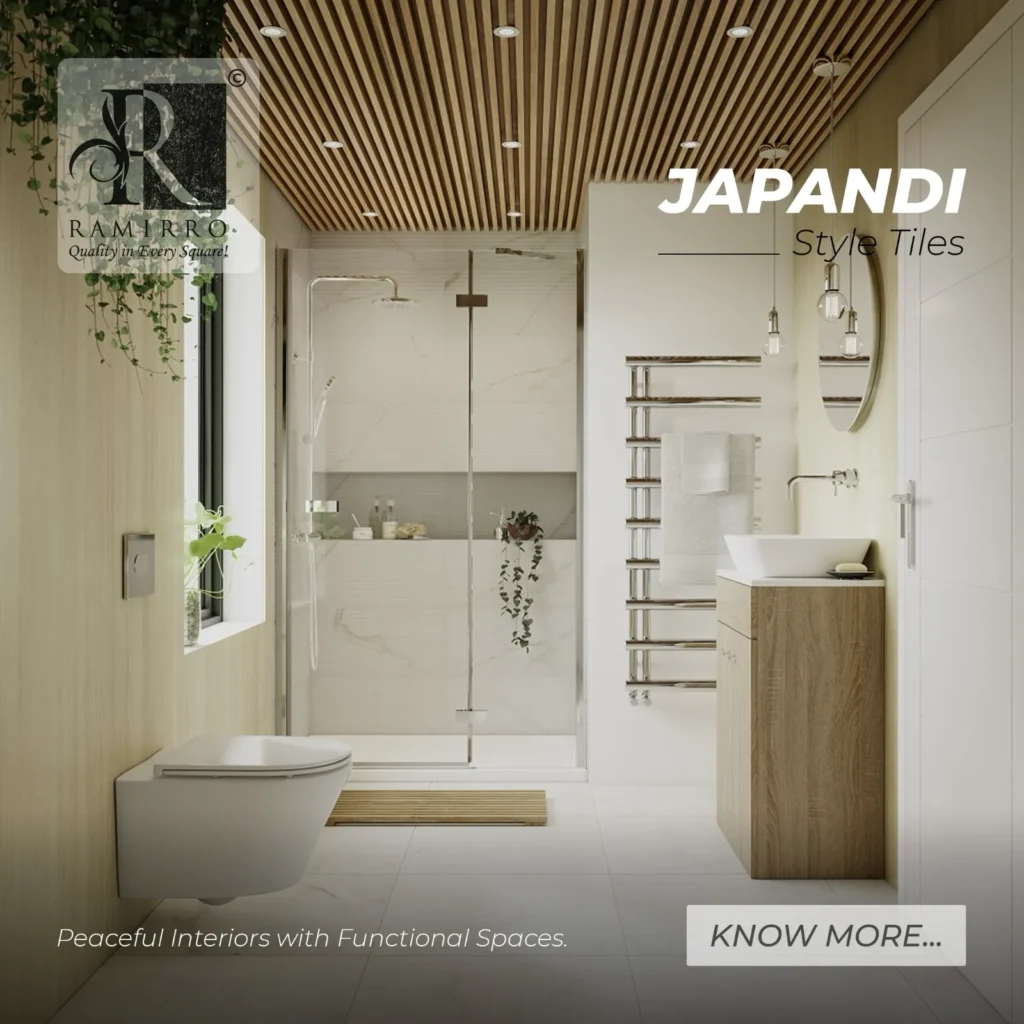
Japandi style tiles are becoming a defining element in minimalist Japandi interior design, where the calm philosophy of Japanese design meets the functionality of Scandinavian design trends. This design approach focuses on simplicity, natural tones, and clutter free spaces that support modern living while creating a peaceful home environment. In Japandi interiors, surfaces play a bigger role than decoration, which is why tile choice directly influences mood, light, and spatial balance. Ramirro Ceramica is a surface focused brand known for offering thoughtfully designed tiles that align with natural textures, soft colors, and timeless materials making them ideal for creating authentic Japandi style spaces that feel warm, practical, and visually quiet.
- Japandi Style Tiles: Minimalist Japandi Interior Design Inspired by Japanese and Scandinavian Design Trends
- Why Japandi Is Not Just a Trend but a Lifestyle Shift
- What Exactly Is Japandi Design?
- Why Tiles Matter More in Japandi Interior Design Than Furniture
- Core Characteristics of Japandi Style Tiles
- Color Psychology in Japandi Tile Selection
- Japandi Tiles for Each Space (Practical Guide)
- The Role of Minimalism in Japandi Interior Design
- Common Mistakes People Make When Trying Japandi Style
- How Japandi Tiles Improve Daily Living
- Why Japandi Is Growing Globally
- Choosing the Right Japandi Tiles — What to Look For
- Creating Calm, Intentional Homes with Japandi Style Tiles by Ramirro Ceramica
Why Japandi Is Not Just a Trend but a Lifestyle Shift
Modern urban life is fast, crowded, and visually overwhelming, which is why many homeowners are moving toward calmer, more intentional interiors. Japandi interior design responds to this shift by creating visual quietness through soft natural colors, simple forms, and uncluttered spaces that help reduce daily stress. Instead of depending on heavy décor, this style focuses on materials that bring warmth, balance, and long term comfort.
In Japandi homes, surfaces such as tiles, floors, and walls play a bigger role than accessories because they shape light, texture, and the overall feeling of a space. A calm surface palette creates a peaceful environment that supports both functionality and well being. Ramirro Ceramica understands this material led design approach, offering tiles with natural finishes, subtle textures, and timeless tones that form the foundation of authentic Japandi interiors.
What Exactly Is Japandi Design?
Japandi design is more than a social media look; it is a cultural blend of Japanese and Scandinavian design philosophies that both value simplicity, functionality, and a close connection to nature. Rather than focusing on decoration, Japandi interiors are built around balance, comfort, and intentional living.
Japanese Influence
From Japan comes the philosophy of wabi-sabi, which appreciates beauty in imperfection, natural aging, and organic textures. Interiors inspired by this approach use natural materials, low furniture, earthy tones, and handcrafted elements. Space is treated as emotional relief, rooms are designed to feel calm, breathable, and free from visual clutter rather than filled with objects.
Scandinavian Influence
Scandinavian design has its roots in Denmark, Sweden, and Norway, while the broader Nordic region also includes Finland and Iceland. These countries shaped a design culture built around practicality and comfort, especially due to long winters and limited daylight. The concept of hygge emphasizes coziness without excess, while layouts focus on functional design, light optimization, and materials that make spaces feel warm and livable.
Why Tiles Matter More in Japandi Interior Design Than Furniture
In Japandi interior design, long term surfaces have a greater impact than movable furniture. Sofas, tables, and décor can change over time, but tiles, flooring, and wall finishes remain for decades. Because Japandi style depends on visual continuity and a calm atmosphere, the base materials of a space matter the most.
Tiles influence how a home feels on a daily basis. They control light reflection, which affects how bright or soft a room appears. They shape spatial perception, making spaces feel larger, warmer, or more grounded. The surface also affects the temperature feel; matte, natural look tiles create warmth compared to glossy, cold finishes. Texture psychology plays a role, as subtle textures inspired by stone, clay, or wood help create emotional comfort and reduce visual stress.
This is why, in Japandi interiors, tiles are not just a finishing material, they are the foundation of the design mood.
Core Characteristics of Japandi Style Tiles
Matte Over Gloss
Matte finishes are preferred because they reduce visual noise and glare. They mimic natural materials like stone, clay, and raw surfaces, which aligns with Japandi’s organic and grounded aesthetic.
Nature Inspired Tones
Color plays a quiet but powerful role. Shades like sand beige, warm grey, clay, ash, and soft stone white help create warmth and balance. Stark white and high contrast palettes are usually avoided because they feel sharp rather than soothing.
Subtle Texture (Not Heavy Patterns)
Japandi design avoids busy patterns. Instead, tiles often feature:
Cement or concrete looks
Limestone inspired finishes
Soft wood look tiles
Handmade style or lightly textured surfaces
-
 20011 – Beige Wood Effect Tiles
 -
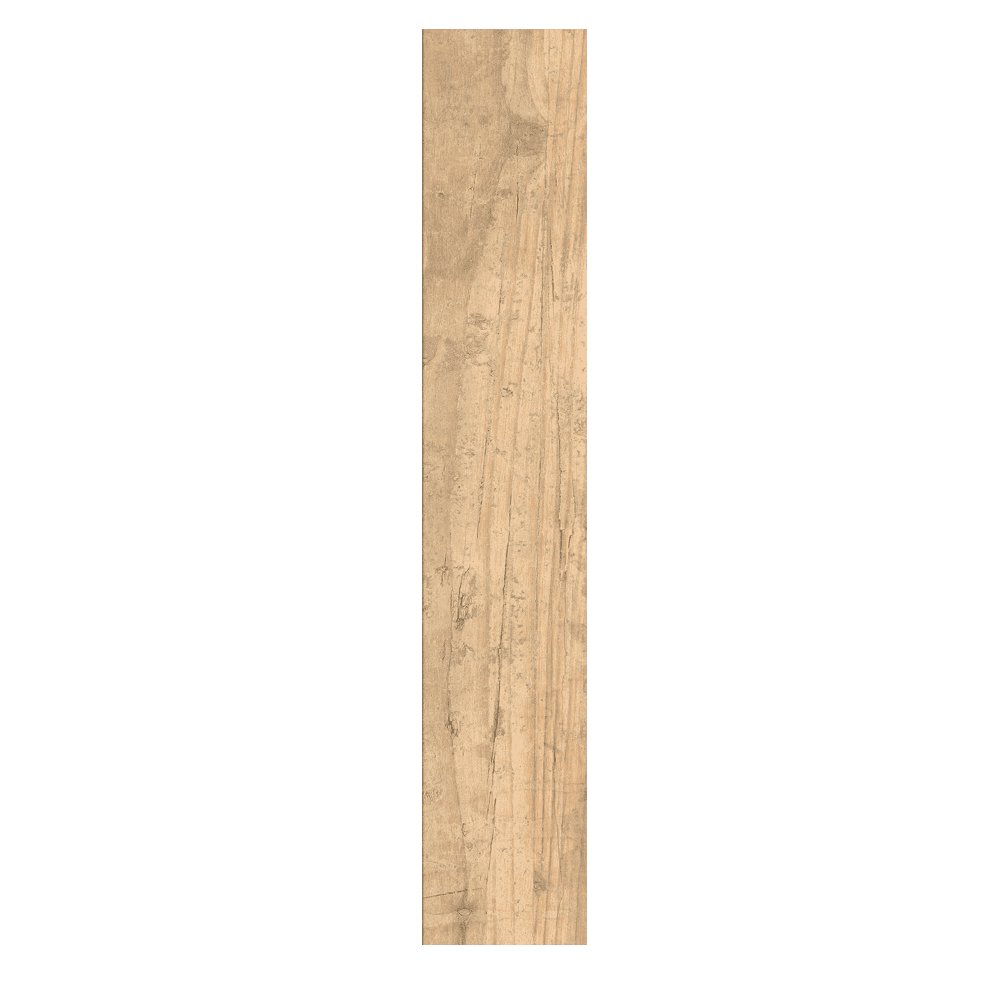 2004 – Brown Wood Effect Tiles
 -
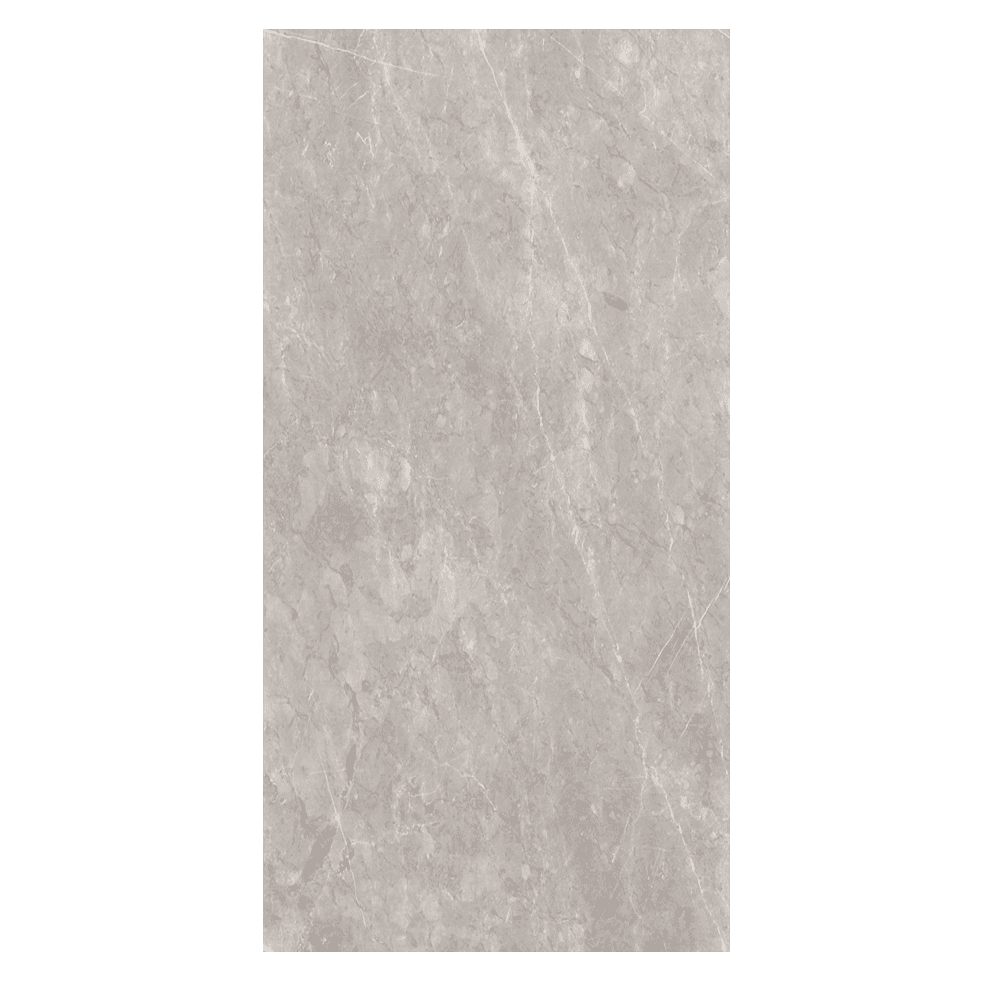 ACRON GREY Marble Design Tiles
 -
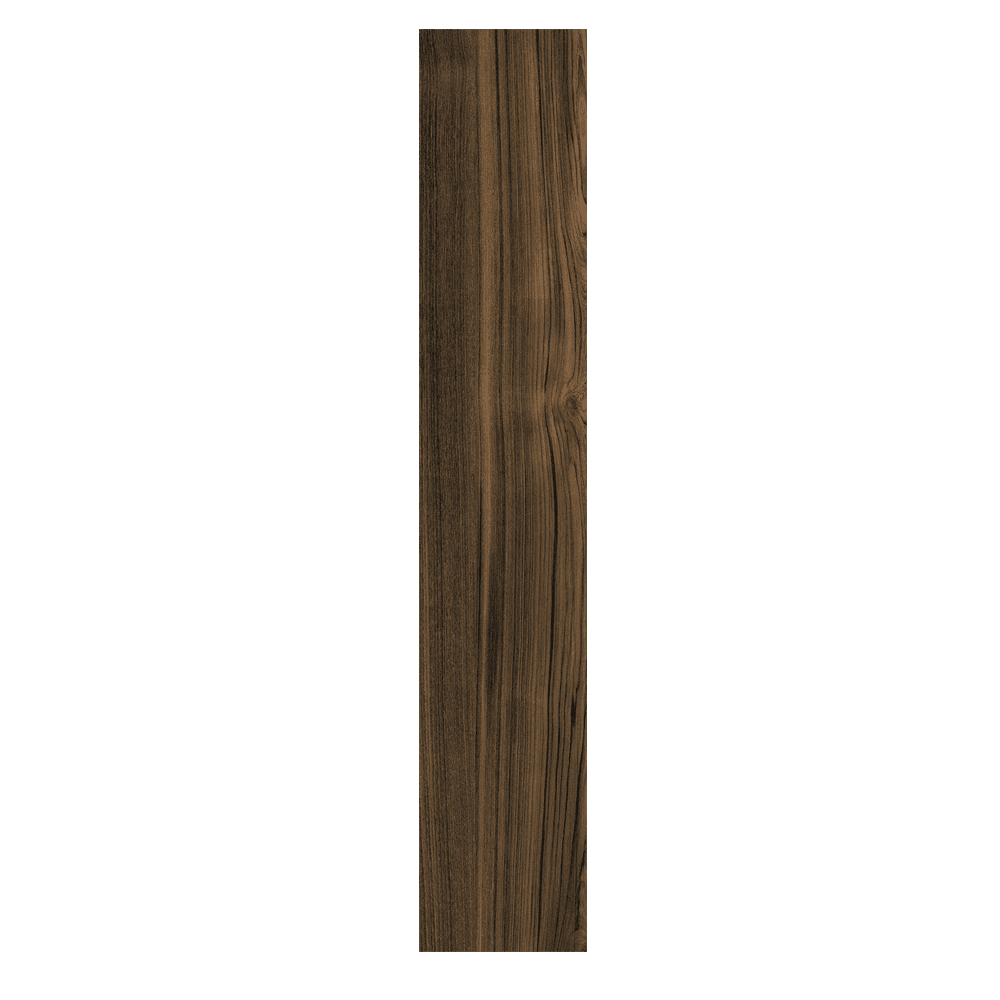 AFRICAN BLACK WOOD
 -
 AFRIVAN WOOD BEIGE
 -
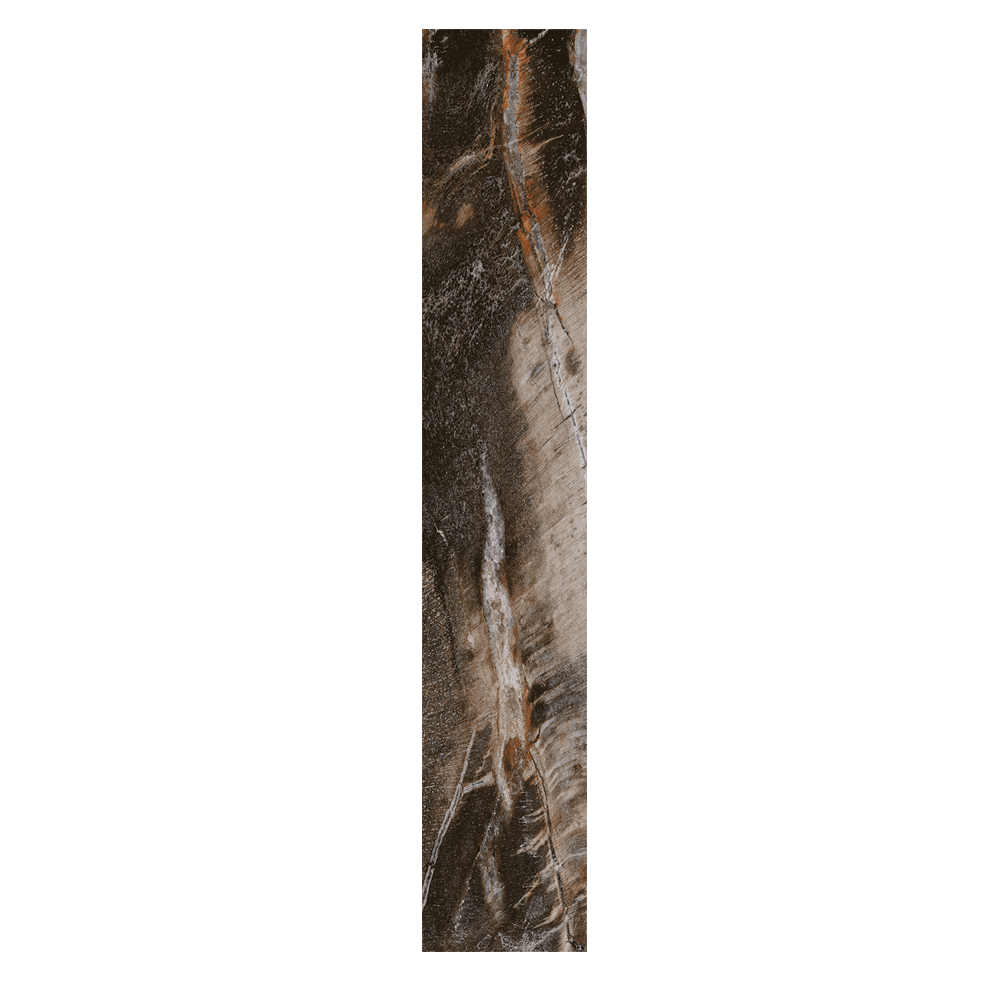 ALACIA BLACK Wood Effect Tiles
 -
 ALECIA BEIGE Marble Tiles
 -
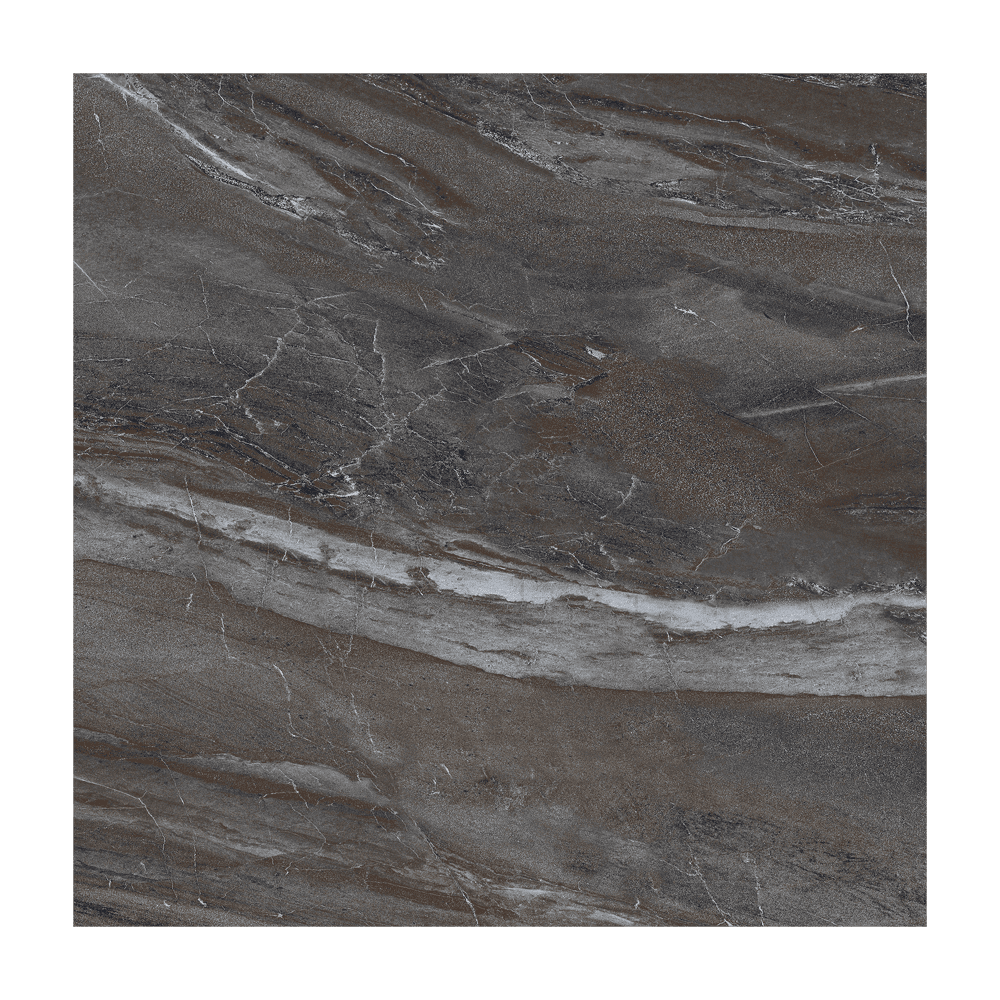 ALECIA NERO Marble Flooring Porcelain Tiles
 -
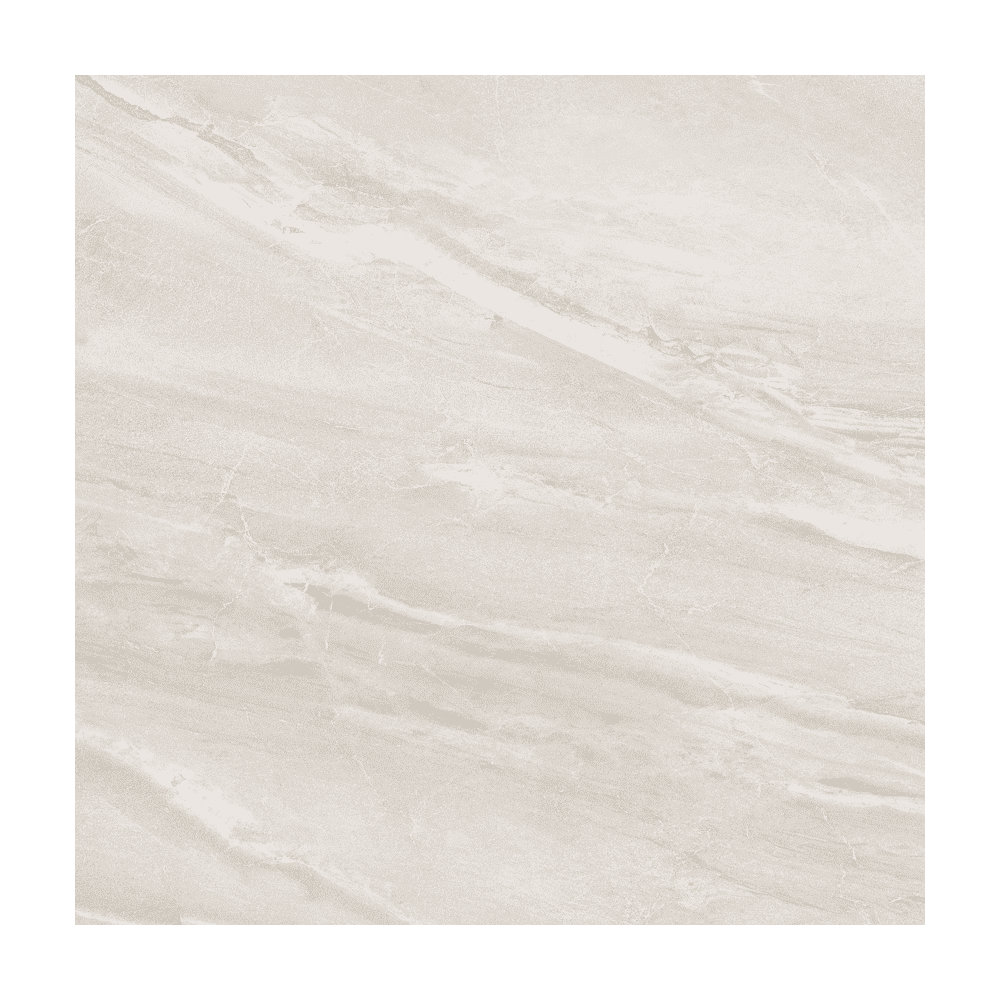 ALECIA VERDE Silk White Marble Tiles
 -
 ALINO BEIGE Marble Tiles
 -
 ALINO BROWN Marble Tile in Porcelain
 -
 ALMOND 100X300 DIAMOND SERIES MATT Subway Tiles
 -
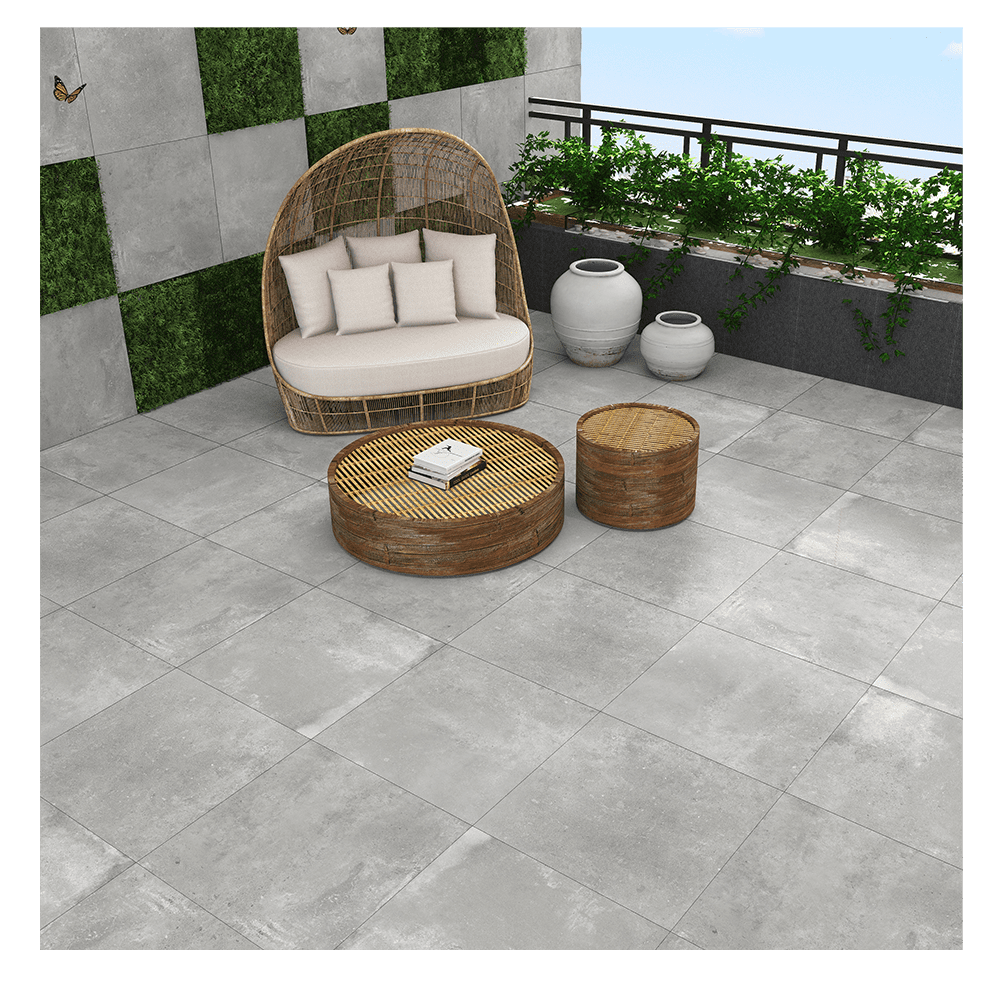 ALUET GREY Marble Look Tiles
 -
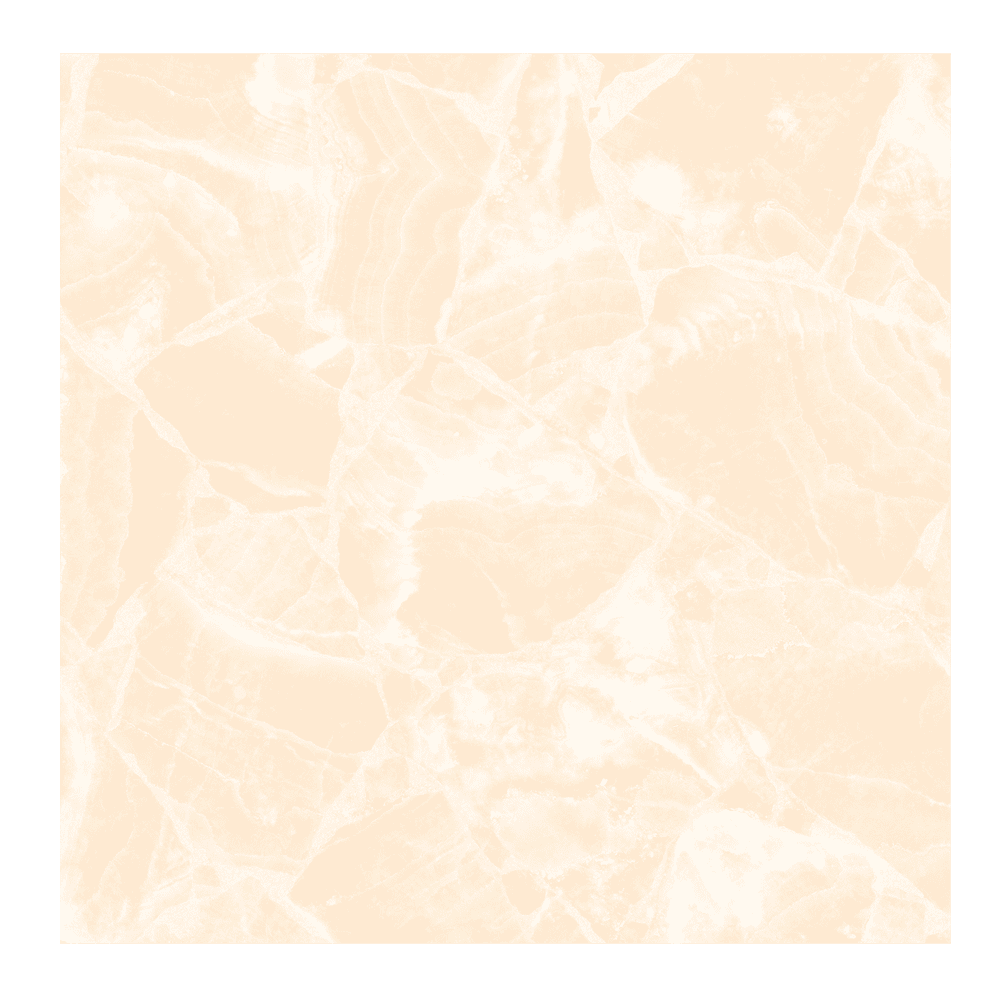 AMADEO BEIGE Cream Marble Tiles
 -
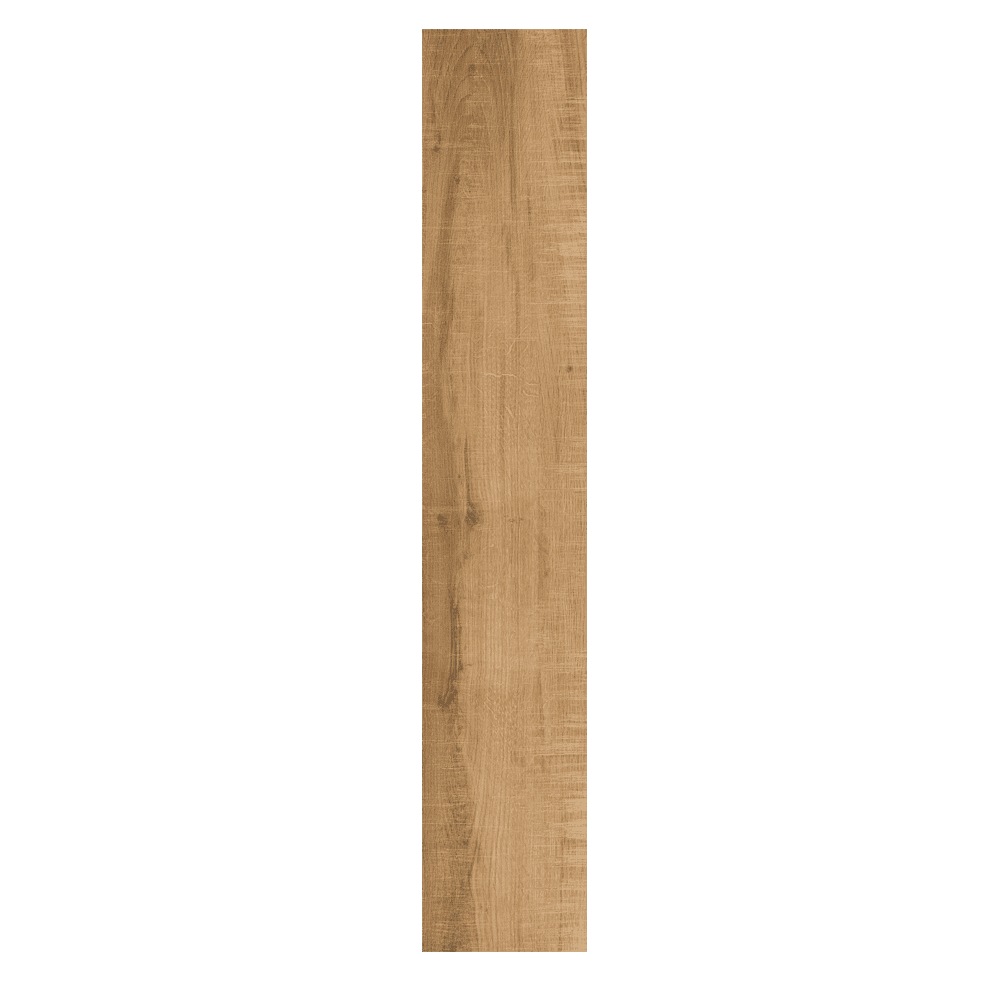 AMERICAN EIM Brown WOOD Effect Tiles
 -
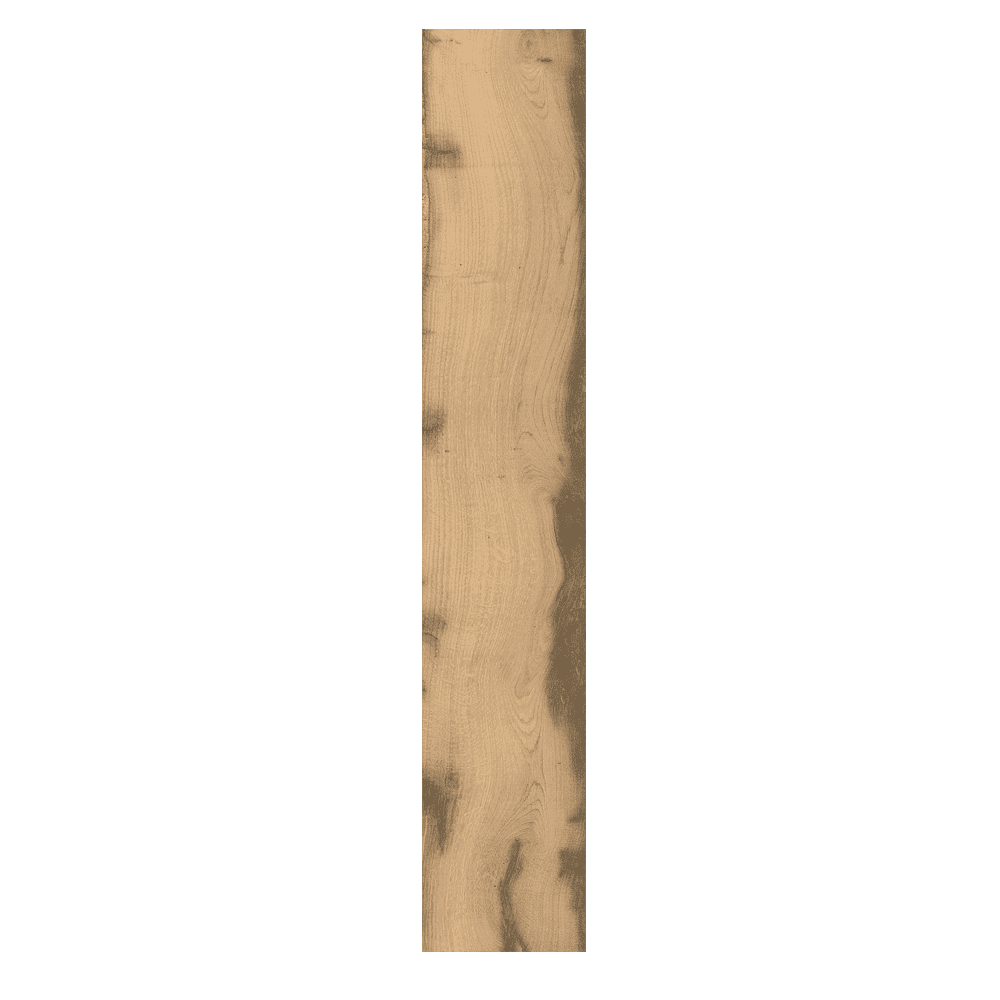 AMPERIAL WOOD BEIGE
 -
 ANTICO OLIVE Marble Tile in Porcelain
 -
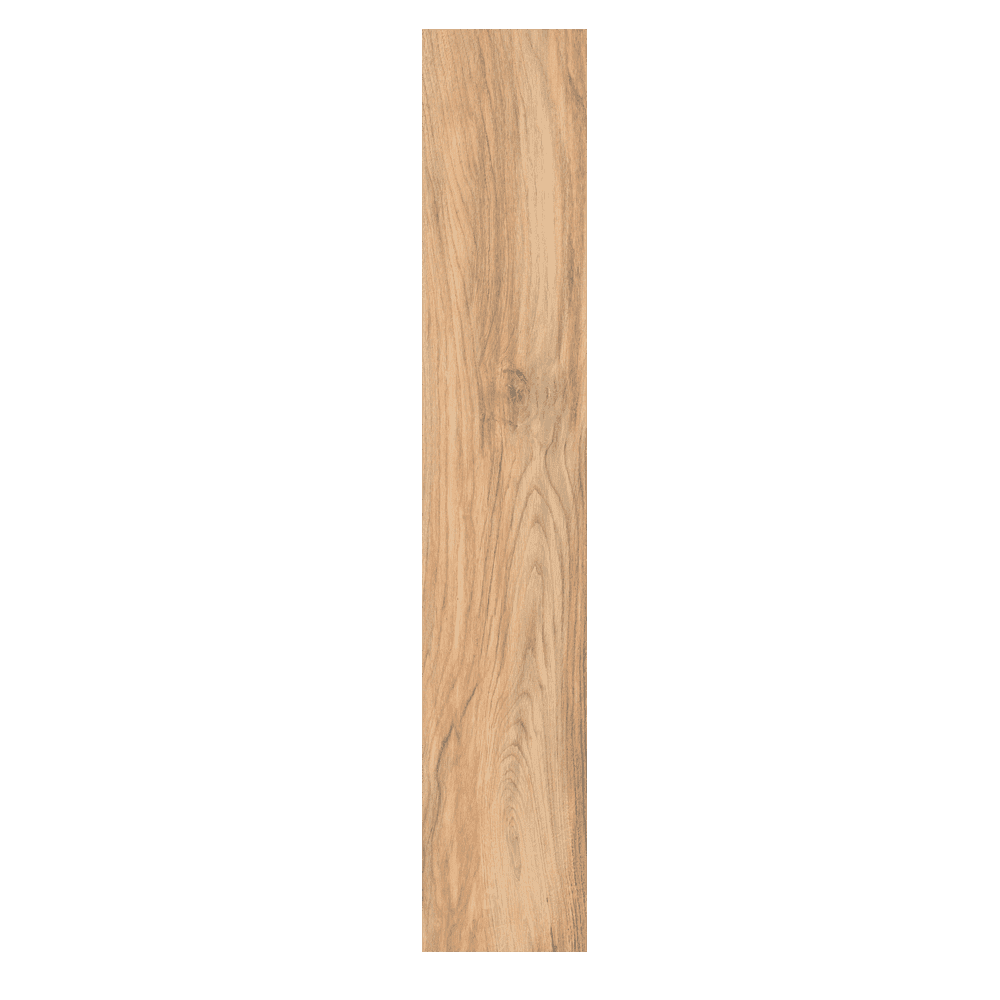 ANTIQUE WOOD BEIGE Wood Effect Tiles
These textures add depth without overwhelming the eye.
Large Formats for Calmness
Large format tiles are ideal because fewer grout lines mean fewer visual breaks. This creates smoother surfaces and a more spacious, uninterrupted feeling, a key element of Japandi interior design.
Color Psychology in Japandi Tile Selection
| Tone | Emotional Effect | Why It Works in Japandi Design | Best Spaces to Use |
|---|---|---|---|
| Warm Beige | Comfort, warmth, and relaxation | Resembles sand and natural earth tones, making spaces feel inviting and cozy without visual heaviness | Living rooms, family spaces, open plan areas |
| Ash Grey | Stability and mental balance | A muted neutral that feels modern yet soft, helping maintain visual calm while supporting functional spaces | Kitchens, dining areas, home offices |
| Clay | Grounding and emotional security | Inspired by natural clay and soil, this tone adds depth and warmth while maintaining a minimalist feel | Bedrooms, reading corners, private spaces |
| Stone White | Light expansion and openness | A softer alternative to pure white, it reflects light gently without harsh contrast, making rooms feel bigger | Small homes, apartments, bathrooms |
Japandi Tiles for Each Space (Practical Guide)
Living Room
Large format matte stone look tiles work best because they create a seamless, open feel. Their natural texture reduces glare and makes the space feel grounded, warm, and spacious, ideal for relaxation and social areas.
Bedroom
Bedrooms benefit from soft textured tiles in warm tones like beige, clay, or light taupe. These surfaces create a cozy, restful atmosphere and support the Japandi principle of emotional comfort and minimal visual disturbance.
Bathroom
Neutral concrete look tiles paired with wooden accents achieve a spa like balance. The subtle texture keeps the space modern yet natural, while the neutral palette enhances calmness and cleanliness.
Kitchen
Muted grey or beige surfaces are perfect for kitchens, combining practicality with visual softness. These tones hide minor marks, feel modern, and maintain the functional yet peaceful mood central to Japandi design.
The Role of Minimalism in Japandi Interior Design
In Japandi interior design, minimalism does not mean empty or cold spaces. It means removing excess so that what remains feels intentional and meaningful. Every element is chosen for a purpose, whether it is comfort, functionality, or visual balance.
Materials play a central role in this approach. Instead of layers of décor, Japandi homes rely on thoughtfully selected surfaces, natural textures, and calm colors to define the space. Hidden storage helps maintain visual order, allowing rooms to feel open and uncluttered without sacrificing everyday practicality.
Because decoration is kept minimal, surfaces such as tiles, floors, and walls become the visual heroes. Their texture, tone, and finish quietly shape the atmosphere of the home, reinforcing the calm, balanced feeling that defines Japandi living.
Common Mistakes People Make When Trying Japandi Style
Using glossy marble: High gloss marble creates reflections and visual sharpness, which goes against Japandi’s preference for matte, natural looking surfaces that feel warm and understated.
Too much black contrast: While black accents can be used sparingly, heavy contrast makes spaces feel dramatic rather than peaceful. Japandi relies on soft transitions between tones.
Busy patterns: Bold prints and strong patterns create visual noise. Japandi design favors subtle textures that add depth without overwhelming the eye.
A cold grey only palette: Cool greys without warmth can make interiors feel flat and uninviting. Japandi palettes usually include warm neutrals like beige, clay, and soft taupe.
Over decorating: Adding too many objects, artworks, or accessories defeats the purpose of intentional minimalism. In Japandi design, space itself is part of the beauty.
How Japandi Tiles Improve Daily Living
Easier cleaning: Matte, natural look tiles with subtle textures hide minor dust and marks better than glossy or heavily patterned surfaces, making maintenance simpler and less frequent.
Less visual stress: Soft tones and minimal patterns reduce visual clutter, helping the mind feel calmer. This creates a peaceful atmosphere that supports relaxation after busy days.
Better light flow: Balanced neutral shades reflect light gently without glare, helping rooms feel brighter and more open while still maintaining warmth.
Long term timelessness: Natural colors and understated finishes do not go out of style quickly. Japandi tiles age well visually, meaning spaces remain elegant and relevant for years without needing redesign.
Why Japandi Is Growing Globally
Urban homes are getting smaller: With compact apartments becoming common, people prefer designs that make spaces feel open, uncluttered, and functional; all core principles of Japandi style.
The mental wellness movement: More homeowners are prioritizing calm environments that reduce stress. Japandi’s soft colors, natural textures, and visual simplicity support emotional comfort and everyday relaxation.
Preference for sustainable materials: Japandi design encourages natural finishes, durable surfaces, and long lasting materials instead of fast changing decorative trends, which aligns with growing environmental awareness.
Demand for neutral, resale friendly interiors: Soft, timeless palettes appeal to a wide range of people, making Japandi style homes easier to adapt and more attractive in long term property value considerations.
Choosing the Right Japandi Tiles — What to Look For
Matte finish: A matte surface reduces glare and creates the soft, natural look that defines Japandi style.
Soft natural tones: Choose shades inspired by nature such as beige, warm grey, clay, and stone white to maintain warmth and harmony.
Large formats: Bigger tiles mean fewer grout lines, which helps create smooth, uninterrupted surfaces and a spacious feeling.
Subtle texture: Look for finishes that resemble stone, cement, limestone, or soft wood. These add depth without visual clutter.
Durability and low maintenance: Japandi design values practicality. Tiles should be easy to clean, long lasting, and suitable for everyday living.
Ramirro Ceramica focus on natural finishes, understated textures, and timeless tones, making their collections well suited for creating authentic Japandi style interiors that balance beauty with function.
Creating Calm, Intentional Homes with Japandi Style Tiles by Ramirro Ceramica
Creating calm, intentional homes begins with choosing materials that support both beauty and daily comfort. In today’s evolving interior design trend, Japandi-style spaces stand out for their balance of japanese and scandinavian design styles, where japanese aesthetics and scandinavian practicality come together in simple designs, neutral colors, and meaningful craftsmanship. Rooted in traditional Japanese interiors, scandi design, and the influence of scandinavian designers, this approach values natural elements, soft natural light, and a minimalistic, clutter free layout enhanced by thoughtful home decor and low profile japandi furniture.
Tiles play a central role in shaping the ambience of these serene, zen-like, and tranquil environments, bringing quiet elegance through subtle ceramic textures inspired by nature and even the restraint seen in Japanese art. More than just a passing look, japandi design supports sustainability through durable, eco-friendly choices that elevate everyday living. With Ramirro Ceramica’s focus on refined surfaces, homeowners and every interior designer can create authentic japanese style inspired japandi spaces that feel peaceful, purposeful, and timeless; true lifestyle investments rather than temporary aesthetics.
Shop Now | Chat With Expert | View Catalogue
Here’s what you get out of our article. Our team have various Ceramic Experts with experience of more than 25 Years, researches on problems our customer faces in tiling industry.
Ramirro Ceramica, – One of The Leading Tiles Manufacturer and Supplier globally, helps you people gain knowledgeable insight before making your purchase decision for products related to the floor and wall tiles.
So, we have closely monitored all kinds of trends in the ceramic tiles manufacturing world, from the old days of clay and plain color to modern digital, realistic-looking designs printed on ceramics with high-depth effects.
Our tiling Experts have seen thousands of different tiles patterns, sizes, materials, pricing, and installation techniques throughout their career.
Their expertise shared with you in simplified and organised way, helps you choose and make better decision before purchasing any flooring option available in market.
Brief about Company:
Ramirro is one of the finest Tiles manufacturers in India manufacturing porcelain and ceramic tiles. Our products have a variety of sizes and types of tiles ranging from Ceramics, porcelain, Full body etc. This helps you choose the perfect fit for your project. Plus, our collection will help you get inspiration from the architect’s design.
Here’s some more helpful links that showcase our users trust on Ramirro Ceramica Brand:
– Growth in International Market
– Trusted and Licensed Exporter
– Manufacturing Plant in India
Here’s our social proof by LinkedIn competing with top known global tiling brands: